Efforts underway to end deadlock over judges’ appointments
• Govt’s legal team set to meet Presidency officials as summary remains pending with Zardari • Officials say matter now sub judice after petition filed in IHC ISLAMABAD: In a last-ditch effort to break the deadlock over judicial appointments, the government’s legal team has scheduled a meeting with its counterparts at the Presidency on Sunday, as authorities explore the possibility of…
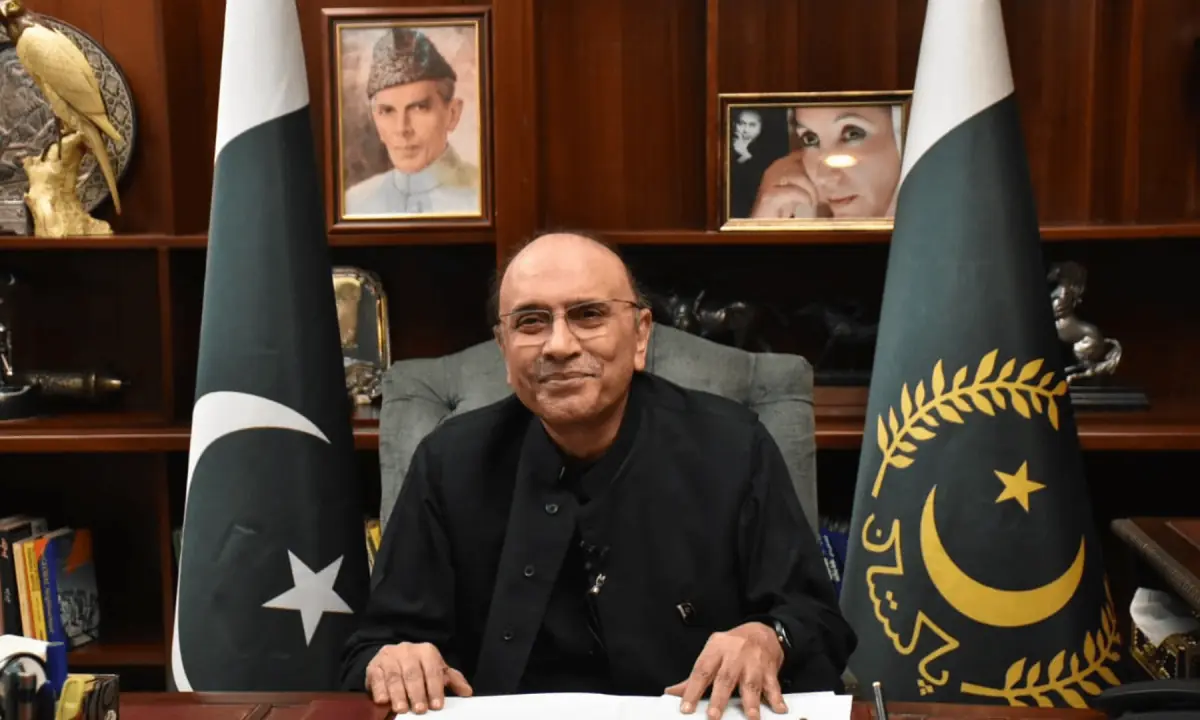
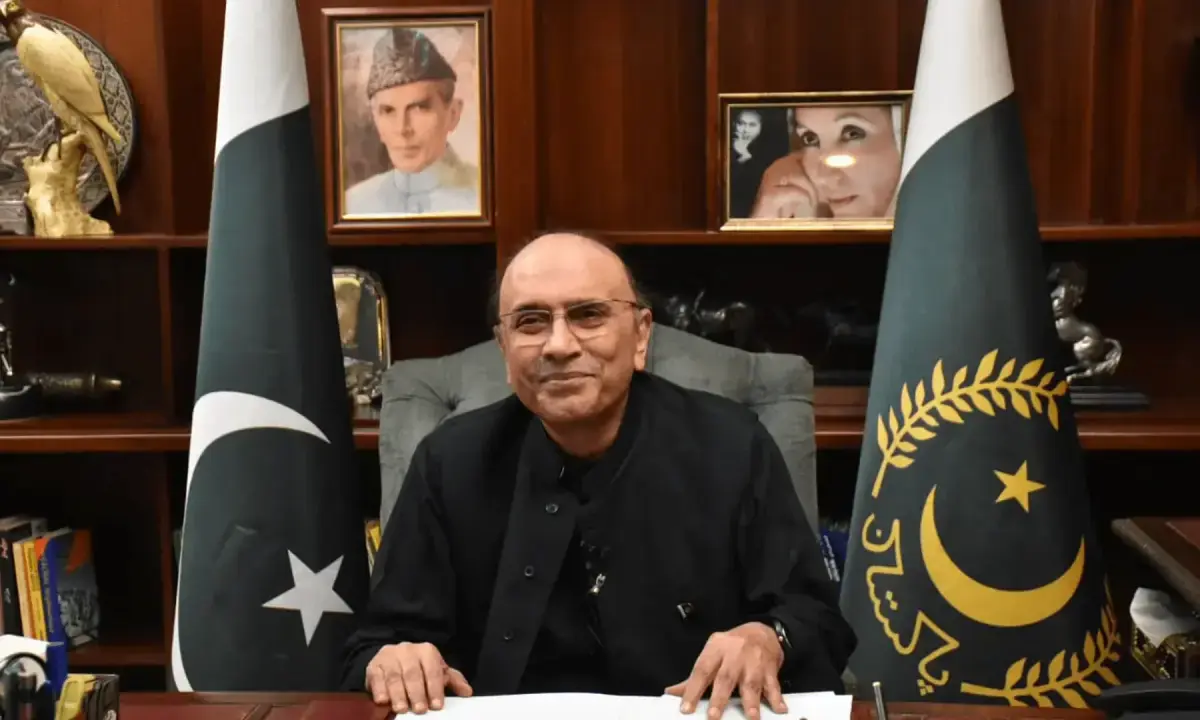
In a bid to resolve the ongoing deadlock over judicial appointments, Pakistan's government has arranged a meeting between its legal team and officials from the Presidency on Sunday. The matter is now considered "sub judice" following a petition filed in the Islamabad High Court (IHC), which is yet to rule on the maintainability of a challenge to President Asif Ali Zardari's alleged failure to assent to the Judicial Commission of Pakistan's recommendations.
The JCP had recommended the confirmation of four additional Peshawar High Court judges, a six-month extension for an extra Sindh High Court judge, and the appointment of 19 more judges to the Lahore, Islamabad, Sindh, and Balochistan high courts. These recommendations were forwarded to the prime minister, who then submitted a summary to the president.
However, the summary has remained pending with Zardari since then. The government is exploring the possibility of invoking Article 48(1) of the Constitution to issue notifications through the law ministry, but the IHC has ruled that notifications cannot be issued at this stage as the deadline has passed. The government's legal team is planning to negotiate an "out-of-court" settlement with its counterparts at the Presidency.
The Presidency's legal team has raised objections, citing that nearly all nominees proposed by the Pakistan People's Party (PPP) were rejected and some recommended for appointment have criminal records. They argue that Article 175-A does not specify a timeframe for the president's action and cannot be overridden by Article 48(1).
They also invoke Article 48(2), which gives the president discretion in matters under his constitutional purview. The Presidency warns that unilateral action in such a sensitive matter could prove disastrous.
Written by urgent.news from Dawn's reporting — not their text. Machine-written — may contain errors; check the original before relying on it.