Domestic stablecoins could boost demand for dollar-backed tokens: IMF
IMF first deputy managing director Dan Katz says users may favor digital dollars for their liquidity, network effects and cross-border acceptance.
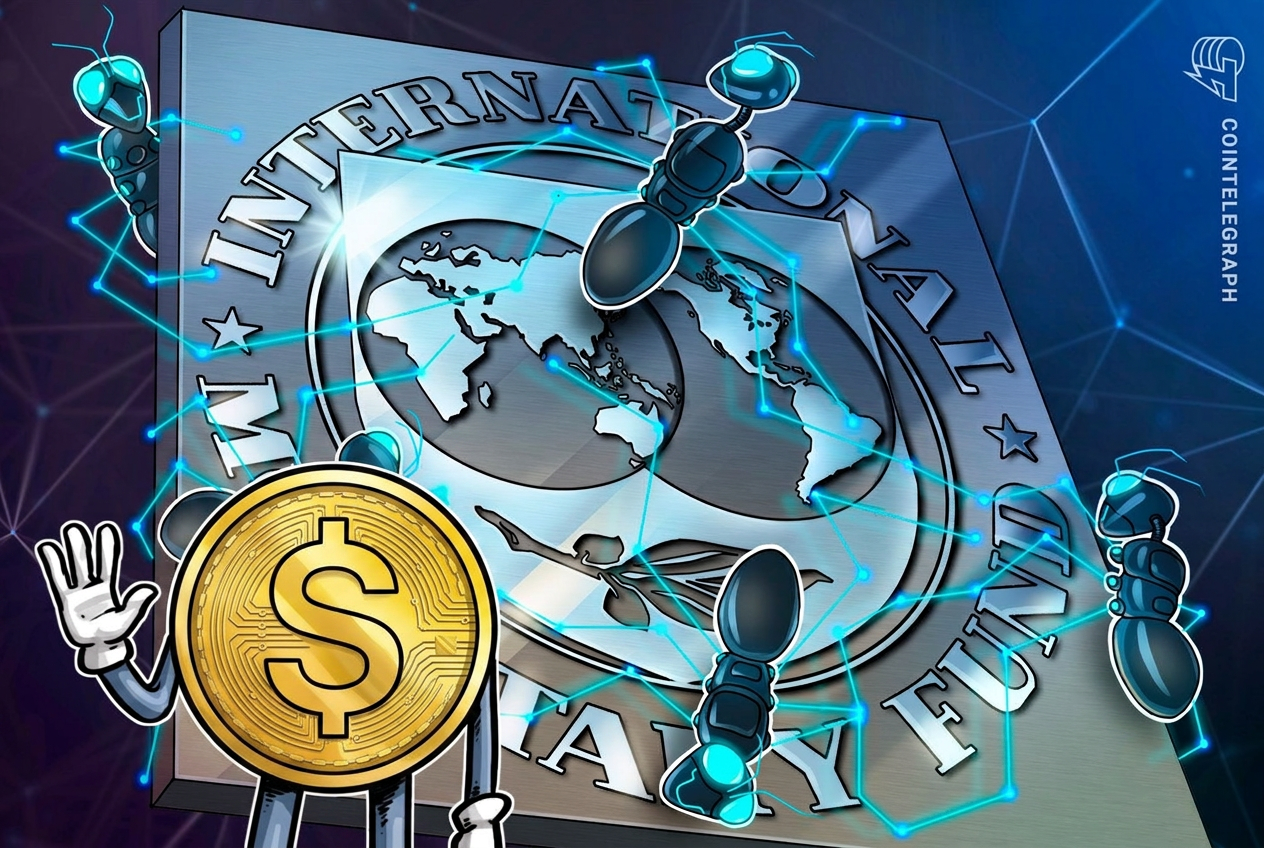
IMF First Deputy Managing Director Dan Katz has suggested that domestic stablecoins could stimulate demand for dollar-backed tokens. Katz stated that users may be attracted to digital dollars due to their liquidity, network effects, and cross-border acceptance. According to Katz, if local and dollar stablecoins operate on the same blockchain infrastructure, users could exchange between them via decentralized exchanges, liquidity pools, or peer-to-peer swaps.
This shift could redirect foreign exchange activity away from banks and currency dealers, decreasing the friction that allows authorities to monitor and control capital flows. Katz mentioned South Africa as an example, where dollar-backed stablecoins have had limited success, but rand-linked tokens have not garnered significant interest.
While it is premature to make definitive conclusions, Katz indicated that many users might prefer dollar tokens because of their liquidity, network effects, and widespread acceptance across platforms and borders. The risks associated with stablecoins differ based on the country. In highly dollarized economies, stablecoins may largely replace existing dollar holdings, but in countries with restricted access to dollars and weak economic frameworks, stablecoins could increase the demand for foreign currency.
Katz advised policymakers to incorporate onramps, offramps, and onchain exchange points within regulatory frameworks.
Written by urgent.news from Cointelegraph's reporting — not their text. Machine-written — may contain errors; check the original before relying on it.