Different types of dementia are linked to unique inflammatory profiles, study suggests
A recent meta-analysis indicates that the four most common forms of dementia feature distinct immune system responses. These biological differences occur independently of other health conditions and might eventually guide targeted treatments for cognitive decline.
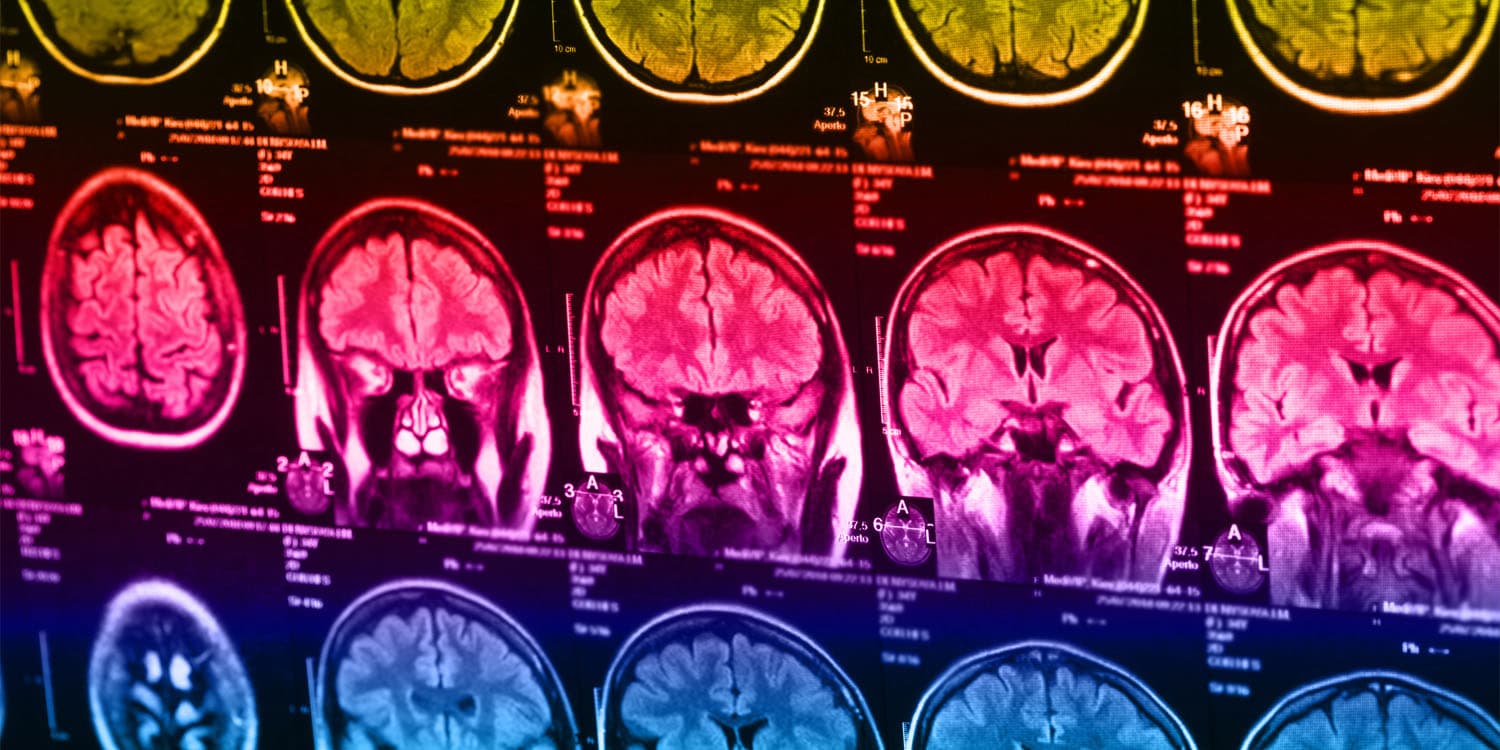
A recent analysis suggests that the four most prevalent types of dementia – Alzheimer’s disease, vascular dementia, dementia with Lewy bodies, and frontotemporal dementia – each exhibit unique immune system profiles. These findings imply that distinct inflammatory changes, not influenced by other health issues, may be linked to these cognitive conditions.
Addressing the specific inflammatory profiles for each type of dementia could potentially guide the development of targeted treatments for cognitive decline. The study, published in the Journal of Psychiatric Research, involved a meta-analysis of 41 previous research papers, gathering data from 2,256 dementia patients and 1,639 healthy controls.
The researchers focused on four main types of dementia, using a strict inclusion criterion to exclude participants with common mental or physical conditions that could cause inflammation. The analysis examined 82 immune markers, including white blood cells and signaling proteins in blood and cerebrospinal fluid. In Alzheimer’s disease, individuals showed moderately higher levels of certain immune signaling proteins compared to healthy individuals.
For instance, Interleukin-17A, a protein involved in immune responses, was consistently elevated. However, the study did not observe significant variations in other major inflammatory proteins like Interleukin-6 and tumor necrosis factor. The immune profiles in vascular dementia, dementia with Lewy bodies, and frontotemporal dementia were also distinct.
Vascular dementia exhibited higher levels of proteins that attract immune cells to damaged tissue, while dementia with Lewy bodies showed elevated levels of proteins involved in general immune regulation. Frontotemporal dementia displayed a unique pattern of immune activity, including higher levels of Interleukin-6, a marker that was not present in the Alzheimer’s group.
The study concluded that each dementia type likely involves a separate biological pathway rather than a common inflammatory response. However, the cross-sectional nature of the data limits the ability to determine the sequence of events – whether inflammation contributes to dementia onset or if brain changes trigger inflammation.
The researchers caution against assuming that mental health issues like depression or anxiety directly cause the observed inflammatory patterns.
Written by urgent.news from PsyPost's reporting — not their text. Machine-written — may contain errors; check the original before relying on it.