Chinese scientists find some Yangtze flood controls may do more harm than good
For centuries, the Yangtze River has been China’s vital lifeblood, yet its floods have claimed countless lives. To tame its waters, flood-control systems have evolved from ancient dykes to the engineering marvel of the Three Gorges Dam. But a new study has uncovered a paradox: some human interventions may have inadvertently worsened the very flood risks they were built to mitigate. “We show that…
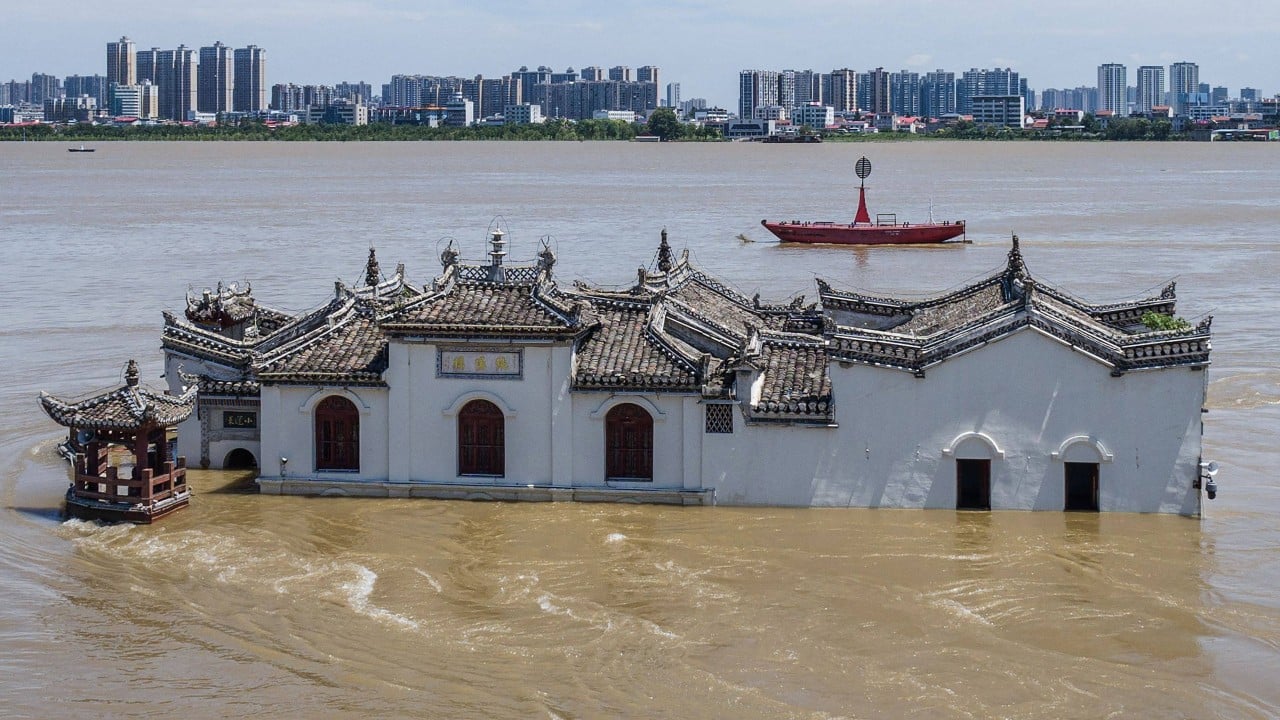
A new study reveals that some flood-control measures along the Yangtze River may actually increase flood risks rather than reduce them, challenging the conventional wisdom that engineering projects like embankments and lake reclamation are beneficial. Researchers from China and Europe analyzed 500 years of flood data and found that human interventions have amplified the severity of extreme 100-year floods by 18% and 8% respectively.
While large dams have been effective at reducing moderate flood peaks, their cumulative effects can disrupt the natural balance of floodplains, reducing their ability to store and dissipate floodwaters. Lead author Yu Shiyong suggests that future flood management should focus on basin-wide flood risk management, allowing floods to accumulate and be released in a controlled manner, rather than relying solely on high embankments.
The study emphasizes the need for a more adaptive approach to flood control that considers the complex interplay between climate and human interventions.
Brief written by urgent.news from South China Morning Post's own syndicated text. Machine-written — may contain errors; check the original before relying on it.