Canada tries to adapt to a future of wildfires
MONTREAL, Aug 9— Faced with another summer when wildfires have scorched millions of hectares of land and blan...
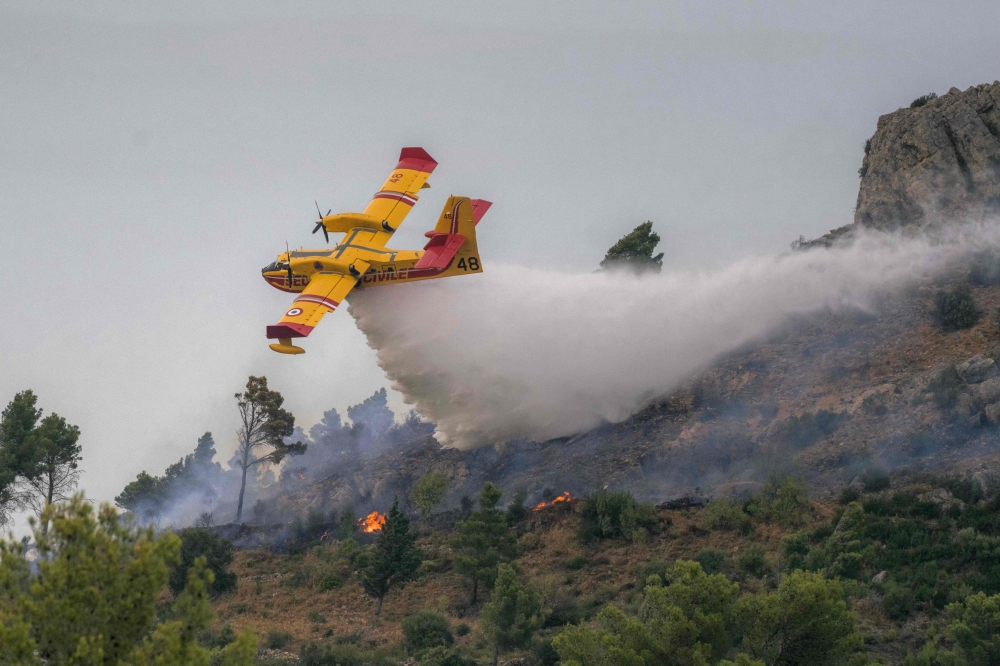
Canada, confronted with the escalating threat of wildfires, is seeking ways to mitigate the annual damage. Despite investing in new water bombers and implementing forest management strategies, experts acknowledge that intense wildfires are likely to persist. Normand Lacour, from Quebec’s wildfire prevention and detection organization, warns, "We’re going to have to live with this."
Canada, home to a quarter of the world’s boreal forest, experiences climate changes twice as rapid as the global average, making it especially susceptible to severe and expansive forest fires. The past three wildfire seasons rank among the ten worst on record, with 2023 alone seeing 18 million hectares burned. This summer, 4 million hectares have already been scorched, causing widespread disruption.
In Western Canada, 15,000 people have been ordered to evacuate, while major Eastern cities like Toronto grappled with some of the world's worst air quality. Canada’s response is multifaceted, with the federal government allocating C$317 million (RM930 million) over five years to bolster national aerial firefighting capabilities.
Additionally, a CAD$150 million program is aimed at clearing flammable materials from populated areas. Provinces have also increased their firefighting personnel, notably in Quebec where SOPFEU staffing has risen by 40%. However, Ryan Ness, adaptation research director at the Canadian Climate Institute, cautions, "Canada is not in an excellent position" when it comes to safeguarding communities from wildfires.
The country is particularly vulnerable to "fire clouds," or pyrocumulonimbus clouds, which are more frequent due to climate change. These clouds, capable of generating their own wind and lightning that ignite new fires, pose a significant, unpredictable threat. In 2023, there were 140 such occurrences in Canada, a stark increase from historical rarity.
SOPFEU meteorologist Claudia Vaillancourt notes, "There’s not much we can do when this happens, apart from pulling crews out of the field and repositioning them behind the fire."
Written by urgent.news from Malay Mail's reporting — not their text. Machine-written — may contain errors; check the original before relying on it.
This story
This is one outlet's version. Read the fullest account.