Brazilian household debt hits 82%, while delinquency eases
The indicator measuring the proportion of households with debt - whether delinquent or not - reached 82 percent in July, marking the highest level ever recorded for the sixth consecutive month. In June, the index stood at 81.6 percent, while in July of last year, it was 78.5 percent. However, the share of households with overdue debts - known as delinquency - fell to 29.8 percent in July. In the…
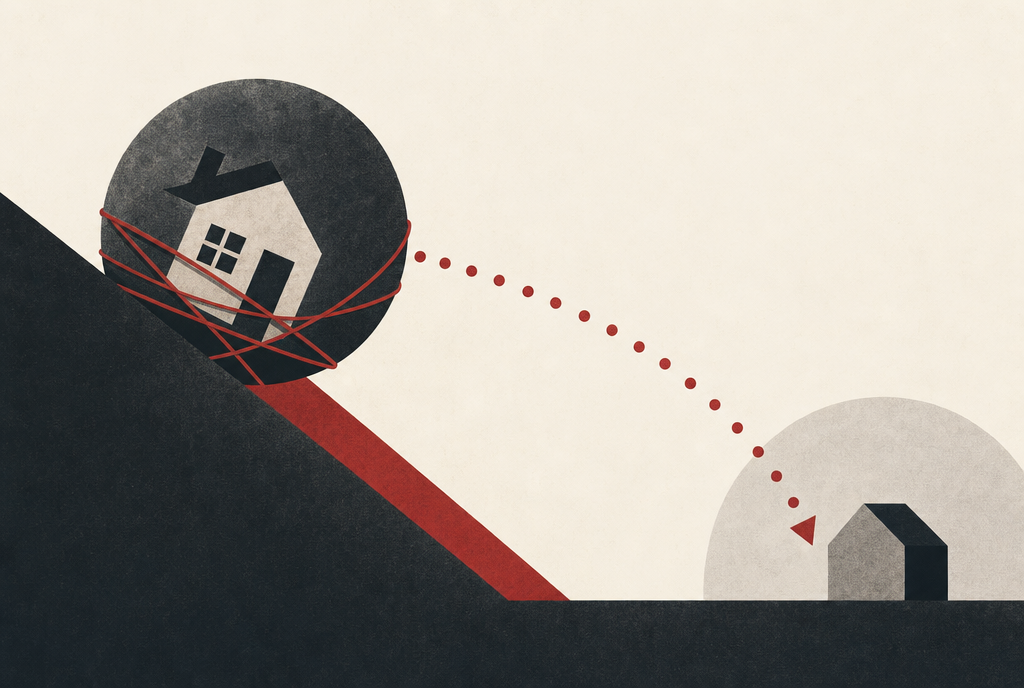
Brazilian households have reached an unprecedented level of debt, with 82% of them holding debt in July, marking the highest rate in the last six months. The share of households with overdue debts, or delinquency, dropped to 29.8% in July, a slight decrease from the previous month's 29.9%. The average delay in debt repayment has been steadily decreasing since April, standing at 64.6 days in July.
The Consumer Indebtedness and Delinquency Survey (PEIC) by the National Confederation of Trade in Goods, Services, and Tourism (CNC) covers 18,000 households across the country. The survey reveals that 29.5% of households' budgets are dedicated to debt payments, with an average repayment period of 7.2 months. Credit cards account for over 85% of household debt, while debt is more prevalent among lower-income households, with 84.9% of those earning up to three minimum wages reporting outstanding debt.
The Central Bank of Brazil's Monetary Policy Committee recently cut the Selic rate from 14.25% to 14%, aiming to improve credit conditions and discourage consumption. CNC Chief Economist Fabio Bentes believes that the lower interest rate will facilitate debt renegotiations under more favorable terms. However, the high burden on household income suggests that the recovery of consumption capacity will be gradual.
Written by urgent.news from Agencia Brasil's reporting — not their text. Machine-written — may contain errors; check the original before relying on it.