Back to basics: Sainsbury’s gradual retreat from the British high street
Sainsbury’s deal to sell its catalogue retailer Argos marks the latest step in the grocer’s years-long retreat from a high street conglomerate back to its core food business. The FTSE 100 supermarket giant holds a 15 per cent market share of grocery stores, second only to Tesco. But the firm once had a sprawling business [...]
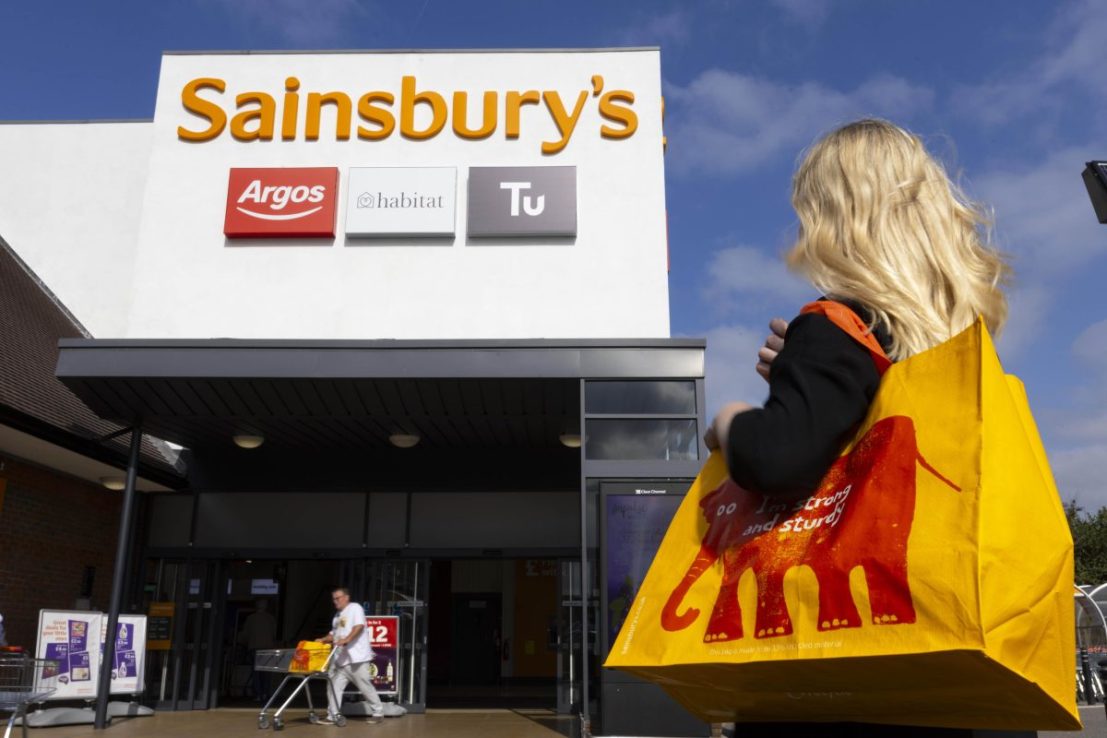
Sainsbury’s has embarked on a gradual retreat from its diverse business empire back to its core food business, as evidenced by its recent sale of Argos to private equity firm Swift for £120 million. This marks the latest chapter in the grocer's years-long retreat, following the dismantling of its financial arm, the closure of standalone Argos stores, and the downsizing of its kitchenware chain.
The financial arm was sold off piece by piece, with NatWest acquiring Sainsbury’s Bank’s personal loan, credit card, and retail deposit business for £125 million in 2024. Argos Financial Services’ credit cards were sold to NewDay Group, ATMs to NoteMachine, travel money to Fexco, and insurance to Allianz UK. The company has also closed nearly 10,000 jobs across various departments, including bakeries and a call centre, with Sainsbury’s shutting all 61 remaining in-store cafés, patisseries, and pizza counters in 2025, resulting in an additional 3,000 job losses.
Despite the heavy human cost, Sainsbury’s core supermarket estate remains stable, with 609 supermarkets and 885 convenience stores, up slightly from 598 and 813 in 2020/21. Sainsbury’s has also diversified into other areas like Smart Charge for EVs and the presence of Smart Tu and Habitat within its larger stores.
Written by urgent.news from City AM's reporting — not their text. Machine-written — may contain errors; check the original before relying on it.