Asus ROG XReal R1 XR Glasses Review
Sometimes it feels like XR glasses are the next frontier when it comes to gaming accessories. And it makes sense, with the rise of handheld gaming PCs – at least before RAM prices started making them nigh unaffordable – these glasses are a great way to get something like the Steam Deck a bigger screen while you’re away from home. So, it makes sense that Asus would team up with XReal to make a…
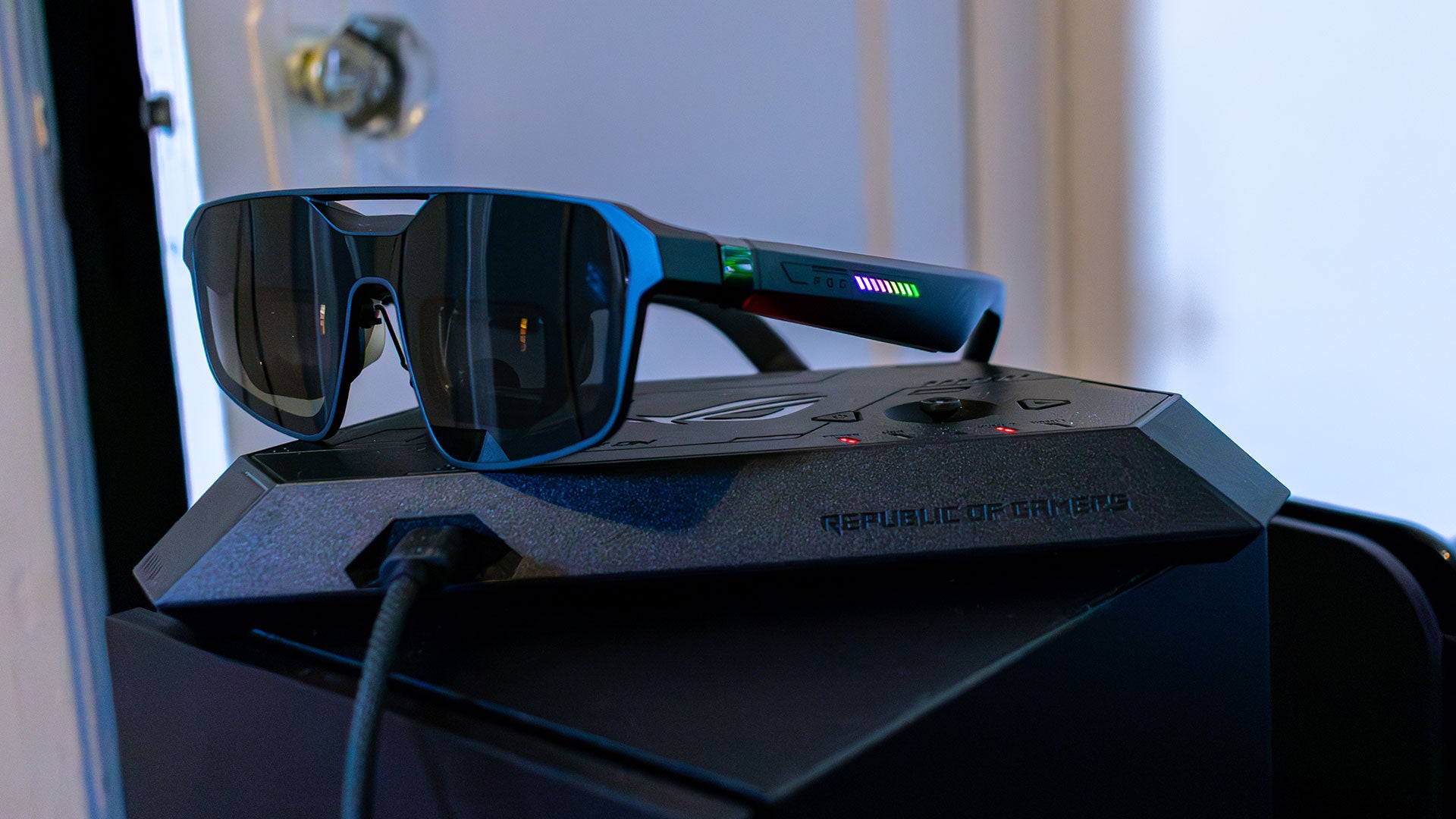
The Asus ROG XReal R1 XR Glasses review discusses the XR glasses as a potential gaming accessory. These glasses, developed in collaboration with XReal, aim to provide a larger screen experience for users away from home, similar to handheld gaming PCs. Upon plugging the glasses into a handheld device, the Asus ROG XReal R1 delivers a clear picture and RGB lighting.
However, at a price of $849, the glasses' main drawback is the included dock, which enables connection to multiple devices via HDMI and DisplayPort. While the design of the glasses and the angular temples with RGB lighting are visually appealing, the glasses' overall appearance remains bulky and unprofessional. The glasses' camera, responsible for head tracking, is cleverly concealed within the frame.
The menu system is cumbersome and requires a learning curve, but it becomes more intuitive once connected to the dock. The dock, despite its lack of RGB lighting, houses essential features like power buttons, fps boost, and settings adjustment controls. However, an issue with the dock not functioning correctly, stuck in "Racing" mode, raises concerns about the product's reliability.
Comparatively, the XReal 1S offers similar functionality at a lower price point of $449, making the $849 price tag for the ROG XReal R1 questionable.
Written by urgent.news from IGN's reporting — not their text. Machine-written — may contain errors; check the original before relying on it.