America hurting its own interest; India well-insulated against US tariffs on Russian oil, expert says
India's economy shows resilience against US sanctions on Russian crude oil. Potential tariffs on nations buying Russian oil will minimally impact India's economy. Shifting away from Russian supplies offers limited financial benefits now. India has strengthened non-dollar payment channels to mitigate risks. Global price shocks pose a greater threat than changing oil suppliers.
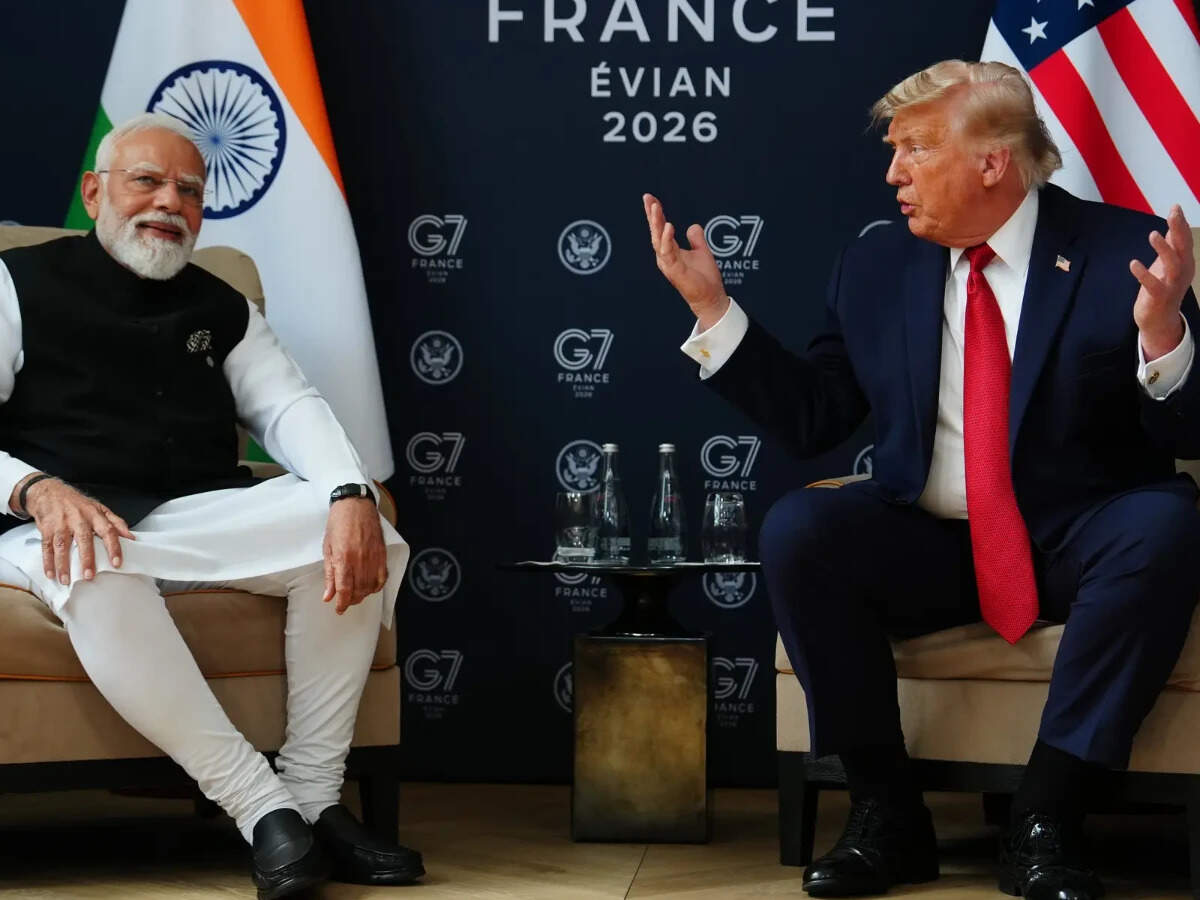
Mumbai: While Washington's growing pressure over Russian oil imports raises concerns, India's economy appears resilient, according to Anindya Banerjee, Head of Commodity and Currency Research at Kotak Securities. Speaking on recent political tensions, Banerjee stated that US sanctions and tariffs would have limited effects on India's overall economy. This assessment comes after the US Senate's approval of a bill allowing up to 100% tariffs on countries importing Russian crude oil and gas.
Banerjee highlighted the significant shift in Russia's crude oil pricing since the Ukraine conflict began. Rather than retaining the $15 to $20 per barrel discount from 2022, the current discount has narrowed to just $2 to $3 per barrel. He explained that India's annual oil import bill of nearly $150 billion means the economic gains from Russian oil are minimal, estimated at $2 to $3 billion annually.
Turning to geopolitical factors, Banerjee warned that aggressive sanctions could potentially weaken global financial systems to the long-term detriment of the United States. In response to these pressures, India has been strengthening its non-dollar payment channels. These include using the Indian Rupee for trade, bilateral settlements using UAE dirhams, and potential central bank digital currency (CBDC) links among BRICS nations.
Banerjee reasoned that replacing Russian oil with Middle Eastern alternatives would not create substantial inflation or fiscal deficits for India. He emphasized that global price surges, rather than supplier changes, pose the greatest threat to economic stability. Banerjee remained confident in India's ability to manage potential supply chain disruptions, pointing to its adaptable refiner ecosystem reliant on banks, insurers, and tankers.
India's energy sovereignty is being bolstered through a diverse sourcing strategy, with over 40 countries providing crude oil, including Venezuela, African nations, and the United States. With government reserves of 10 to 12 days and commercial stocks covering 70 to 75 days, India meets the G7 requirement of 90 days' import cover. Banerjee is optimistic about resolving the tariff issue, stating that both nations have a mutual interest in reaching a feasible tariff agreement.
Written by urgent.news from The Economic Times - Economy's reporting — not their text. Machine-written — may contain errors; check the original before relying on it.