All primary, secondary and JC teachers to complete compulsory AI modules under new MOE plan
The first module must be completed by the end of 2026.

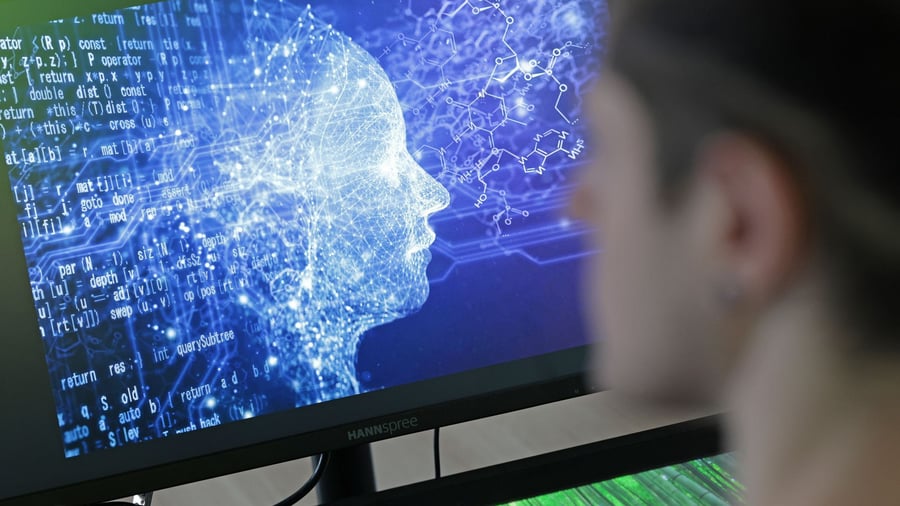
In Singapore, all primary, secondary, and junior college (JC) teachers are set to undertake compulsory AI modules as part of a new plan by the Education Ministry (MOE), announced in August 2026. The Teacher AI Literacy Professional Learning Roadmap outlines the skills and knowledge needed as the technology becomes more prevalent in classrooms.
The first module, covering ethical considerations, safety, and responsible use of AI, must be completed by the end of 2026. The remaining two modules, due by 2027, will delve into age-appropriate AI usage, its impact on students’ thinking, and its potential to deepen learning. These modules are conducted online and take approximately 30 to 45 minutes each.
Concerns have arisen regarding students becoming overly reliant on AI, using it as a shortcut for assignments or generating answers without fostering their own thinking. In response, Education Minister Desmond Lee stated that the ministry is evaluating the impact of such tools on students’ learning. He emphasized that AI should be introduced gradually, with teachers overseeing its use.
MOE has provided guidance to schools to ensure that AI enhances teaching and learning rather than undermining it. MOE’s Educational Technology Division lead specialist, Samuel Tan, explained that the AI literacy roadmap builds upon existing guidance since the widespread availability of generative AI tools like ChatGPT in late 2022.
Tan noted that the ministry’s roadmap provides teachers with the necessary knowledge, skills, and ethical considerations regarding AI use in education, while allowing schools flexibility in designing professional learning opportunities. Currently, there are 29,605 teachers across primary schools, secondary schools, and JCs. Master teacher for history, Candice Seet, highlighted that while many educators are eager to explore AI, they need support to maintain readiness and confidence.
She mentioned that teachers can engage in peer-sharing sessions and learning networks organized by the Academy of Singapore Teachers (AST) and school clusters to further develop their AI skills.
MOE’s Tan explained that AI literacy aligns with the broader EdTech Masterplan 2030, aiming to integrate education technology to complement teaching. However, the goal is not for every teacher to employ AI in every lesson. Instead, the focus is on designing lessons that foster critical thinking and reflection, such as encouraging students to question AI-generated information and verify its accuracy against trusted sources.
Seet stressed that AI should be used to enhance learning, not replace essential human skills like discernment, reasoning, and judgment. Teachers play a crucial role in designing AI-enabled lessons, ensuring that students remain at the center of the learning process and that technology is used responsibly without becoming a shortcut to knowledge acquisition.
Written by urgent.news from Straits Times's reporting — not their text. Machine-written — may contain errors; check the original before relying on it.