7 of the world’s smallest birds and their incredible abilities
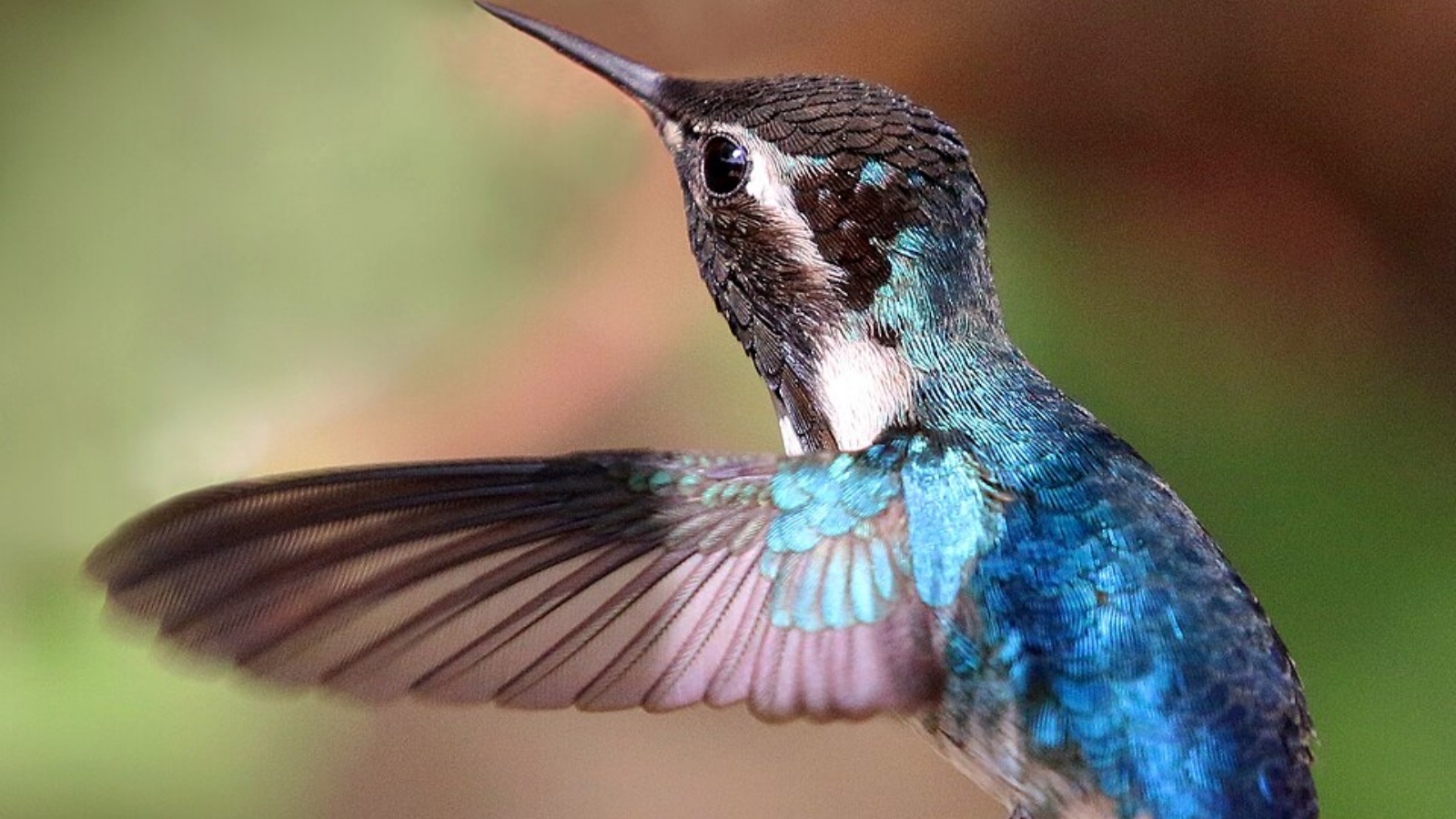
The world's smallest birds are truly remarkable creatures, defying expectations of size with their agility, vibrant colors, and survival skills. Here are seven of the tiniest avian species on our planet.
The bee hummingbird, native to Cuba, holds the title of the world's smallest bird. Adult males are just 5-6 cm long and weigh a mere 1.6-2 grams. Their extraordinary wingbeat rate of up to 80 times per second allows them to hover like insects while sipping nectar from flowers.
The Esmeraldas woodstar, found only in western Ecuador, is another critically endangered hummingbird. Measuring 6-7 cm in length, this species is threatened by habitat loss. Despite its rarity, it plays a crucial role as a nectar feeder and pollinator.
Australia's weebill reigns as the country's smallest bird, measuring 8-9 cm. With its energetic insect-hunting habits and constant movement through eucalyptus forests, it stands out as a highly active canopy dweller.
Europe's goldcrest, with its vivid yellow-orange crown stripe, is Europe's smallest bird. Measuring 8.5-9.5 cm, it is renowned for being highly vocal and thrives on a diet of spiders and insects within conifer forests.
North America's calliope hummingbird, the smallest bird on the continent, measures 7-9 cm. Males boast striking magenta throat feathers and undertake a remarkable migration despite their petite stature. They serve as important pollinators.
Australia's pardalotes, often referred to as "diamond birds" due to their speckled wing markings, measure 8-10 cm. Birdwatchers are drawn to their bright plumage and unique nesting habits within tree hollows and tunnels. They primarily feed on insects and lerps.
Lastly, the bananaquit, found across the Caribbean and parts of Central and South America, is a tiny nectar-loving bird measuring 10-11 cm. Its specialized curved bill allows it to access flowers for nectar and also enables it to feed on fruits and insects, making it an excellent pollinator in its diverse range.
Written by urgent.news from The Indian Express - Lifestyle's reporting — not their text. Machine-written — may contain errors; check the original before relying on it.