Zukunftsgestalter: Dieses Unternehmen machte aus 43 Marken genau eine
Der Stiftungskonzern Körber stieß 70 Prozent seines Umsatzes ab – und verdreifachte ihn danach. Wie schaffte Vorstandschef Stephan Seifert den Umbau, den viele Konkurrenten scheuen?
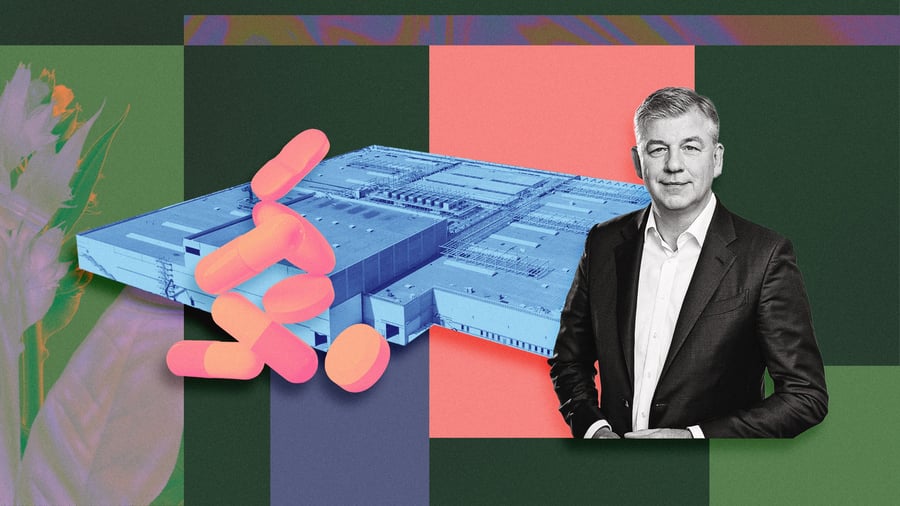
In the heart of Hamburg, amidst Stephan Seifert's desk, hangs an extensive collage photograph. An image of John F. Kennedy is seen aboard a sailboat. Seifert, the CEO of Körber, echoes the sentiment, “One can choose whether to emerge from a storm or be swept away by it.” For Körber, the conglomerate, the mantra is “We sail hard against the wind.”
Once entrenched in the storm of the past, the company decided to radically change course amidst the financial crisis. Over 50% of Körber's businesses experienced a decline in profits or stagnation, according to Seifert. This moment marked their decision to focus entirely on mega and technology trends. The result was a radical transformation: the conglomerate divested itself from 70% of its revenue at the time, relinquishing earnings valued at 1.6 billion euros.
Yet, it subsequently multiplied. The mechanics of this success and what other firms can learn from Körber's transformation are illuminated by a glimpse into the inner workings of the technology conglomerate, which celebrates its 80th anniversary this year.
Written by urgent.news from Handelsblatt's reporting — not their text. Machine-written — may contain errors; check the original before relying on it.