Why the BCI has ordered a nationwide inspection of law colleges? | Explained
Over the past decade, the apex statutory regulator of the legal profession and legal education has repeatedly expressed concern over what it describes as a steady decline in the quality of legal education in India
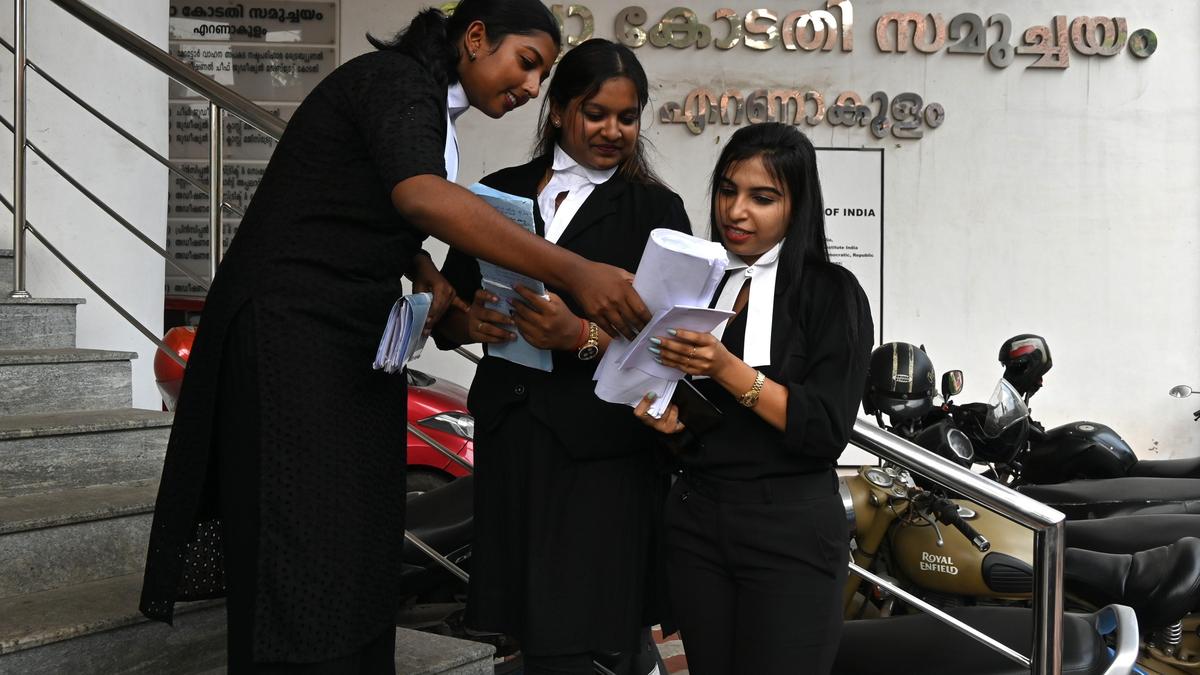
The Bar Council of India (BCI) has mandated a nationwide inspection of all law colleges across the country, aiming to ensure the maintenance of high standards in legal education. This directive, issued in response to concerns over the quality of legal education in India, requires universities to inspect all affiliated and constituent law colleges and submit compliance reports within six weeks.
The BCI is also asking universities to discontinue any impermissible weekend, evening, or shift-based law programs that it deems to undermine the integrity of a regular law course.
This move follows a series of developments that have underscored the BCI's ongoing commitment to enhancing the quality of legal education. In July, the Supreme Court expressed strong concerns regarding the quality of institutions providing legal education and the continued operation of underperforming law colleges. Additionally, the Andhra Pradesh High Court's July 29 judgment in the case of All Saints Christian Education Society v.
State of Andhra Pradesh reaffirmed the duty of universities to ensure compliance with legal education regulations among affiliated law colleges.
The Bar Council's Standing Committee on Legal Education initiated these inspections, emphasizing the need to physically verify various aspects of law colleges' functioning, such as land ownership, classroom availability, library resources, moot court facilities, legal aid clinics, sports amenities, and faculty appointments. The focus extends to the examination of original documents, geo-tagged photographs, and evidence-based reports to verify the legitimacy of institutions' operations and adherence to regulatory standards.
The BCI's emphasis on inspections comes amid longstanding concerns over the proliferation of sub-standard law colleges and Centers of Legal Education (CLEs). The regulator attributes the decline in legal education quality to the unchecked growth of such institutions, facilitated by the indiscriminate issuance of No Objection Certificates (NOCs) by state governments and universities, often without thorough scrutiny.
The BCI has previously imposed moratoriums on new law colleges and centers, highlighting the need for regulatory oversight over the expansion of legal education infrastructure.
Under this inspection framework, universities are directed to identify and address arrangements such as shift-based or weekend classes, which the BCI considers detrimental to the regular delivery of law courses. Colleges found to be operating beyond sanctioned intakes, introducing unauthorized courses, or presenting misleading information about their infrastructure and faculty may face regulatory actions, including show-cause notices and the suspension of affiliations.
The BCI's directive stresses the importance of maintaining a rigorous academic schedule and warns against alternative arrangements that compromise the quality of legal education.
Written by urgent.news from The Hindu's reporting — not their text. Machine-written — may contain errors; check the original before relying on it.