Why are the Houthis escalating attacks on Saudi-backed targets?
A new bout of violence in Yemen cannot be viewed in isolation. The Houthi rebels' decision to escalate attacks on government forces, Saudi ships in the Red Sea and oil sites in Saudi Arabia is interlinked with the US-Iran war, experts told The National . In recent days, the Houthis caused casualties among Yemeni government forces in Marib, Hadhramaut and Hodeidah. The latest attacks on…
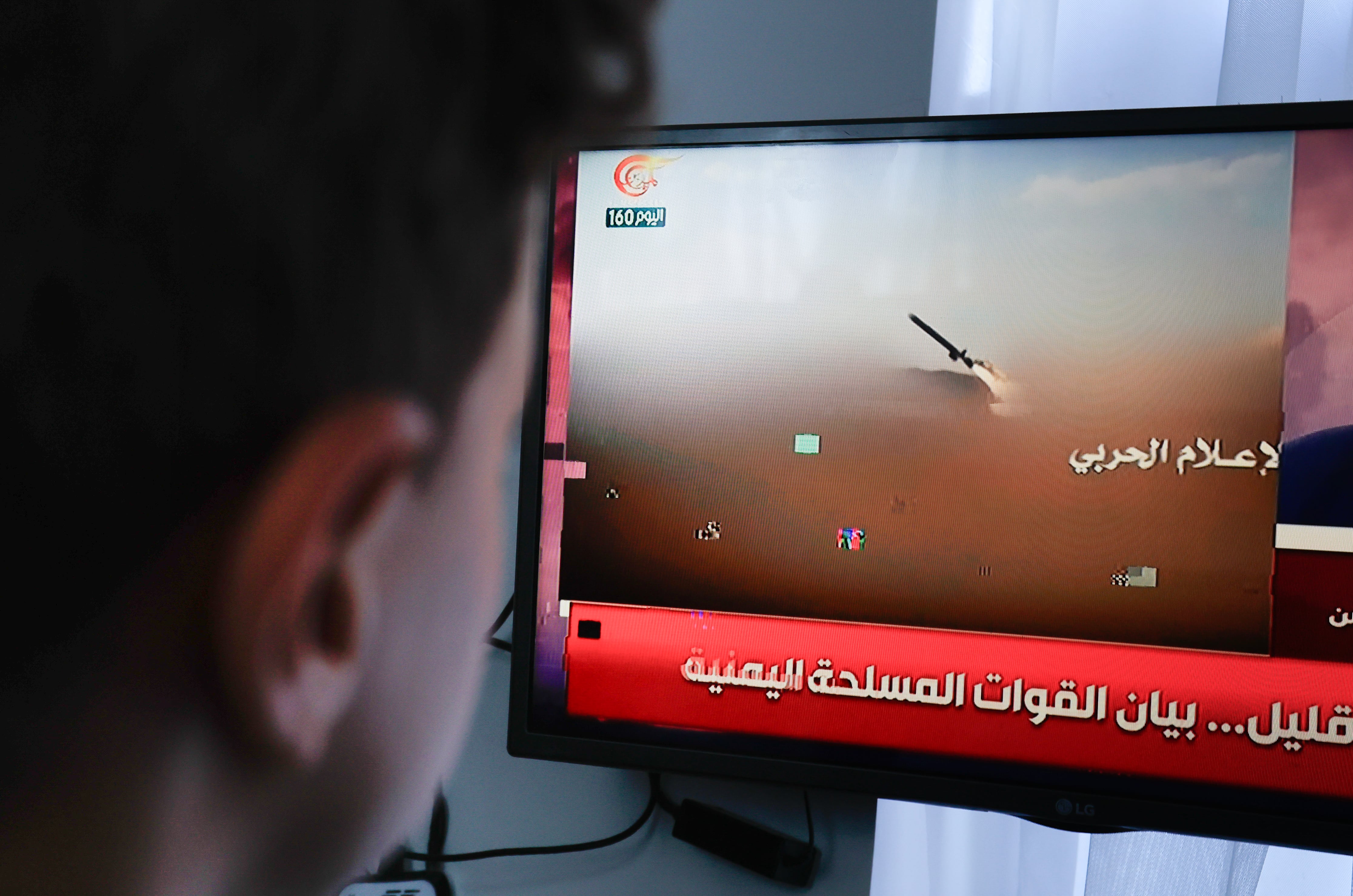
A series of recent attacks by the Houthi rebels in Yemen, targeting government forces, Saudi vessels in the Red Sea, and oil installations in Saudi Arabia, has raised concerns about the escalating conflict. These hostilities are not isolated incidents, but are instead interconnected with the ongoing US-Iran war, according to experts consulted by The National.
In recent days, Houthi forces have caused casualties among Yemeni government troops in Marib, Hadhramaut, and Hodeidah. Additionally, attacks on displacement camps in Marib resulted in two deaths and 14 injuries. These provinces are rich in oil, providing the Houthi group with potential economic gains if they secure territorial victories.
Houthi motivations for escalating attacks have remained consistent, driven by internal economic pressures and poor governance. However, the timing of their latest escalation is significant, as Iran is nearing an agreement with Oman and the US, potentially reopening the strategic Strait of Hormuz. The Houthi rebels have reportedly imposed a blockade from the Bab Al Mandeb strait to the Red Sea, a crucial route for Saudi oil exports.
Experts believe the Houthi attacks may be a coordinated effort with Iran, aimed at pressuring Saudi Arabia to push for a US-Iran deal that would end regional conflicts. The militant group has had time to prepare, having enjoyed relative peace since a 2022 Saudi-Houthi agreement. This buildup could signal their readiness for renewed fighting both domestically and across borders.
Attacking oil-rich provinces sends a clear message about the vulnerability of supply lines, and any attempts to protect them could also face retaliation. However, initiating attacks on multiple fronts - targeting Saudi Arabia, the Red Sea, and Yemen - poses significant risks. Yemen's internationally recognized government has vowed to retaliate as it sees fit, and Saudi Arabia has maintained restraint despite responding to Houthi drones threatening the kingdom.
Meanwhile, Iran is seeking US agreement on sanctions relief, Strait of Hormuz reopening, and ultimately an end to the war. Iran's proxies in Lebanon and Iraq face challenges, including a recent attack on Saudi Arabia followed by joint US-Saudi strikes. In Lebanon, discussions between the government and Israel on Hezbollah's disarmament are underway.
The Houthi rebels' decision to showcase their strength amid allies in Iraq and Lebanon facing pressure may be a strategic move, or possibly a response to Iran's bidding to demonstrate the "axis of resistance" is not defeated. However, fears grow that Yemen may be on the brink of a new war in a region already grappling with the ongoing conflict.
Written by urgent.news from The National UAE's reporting — not their text. Machine-written — may contain errors; check the original before relying on it.
Also reported by 1 other outlet
- Yemen’s Houthis claim attack on Marib hit Saudi-backed forces middleeasteye.net