Welcome to the plastisphere, the realm of plastic microbes: ‘It’s a new ecosystem on the planet’
The very nature of this material, which repels water, makes it easy for microorganisms to thrive in it and form communities
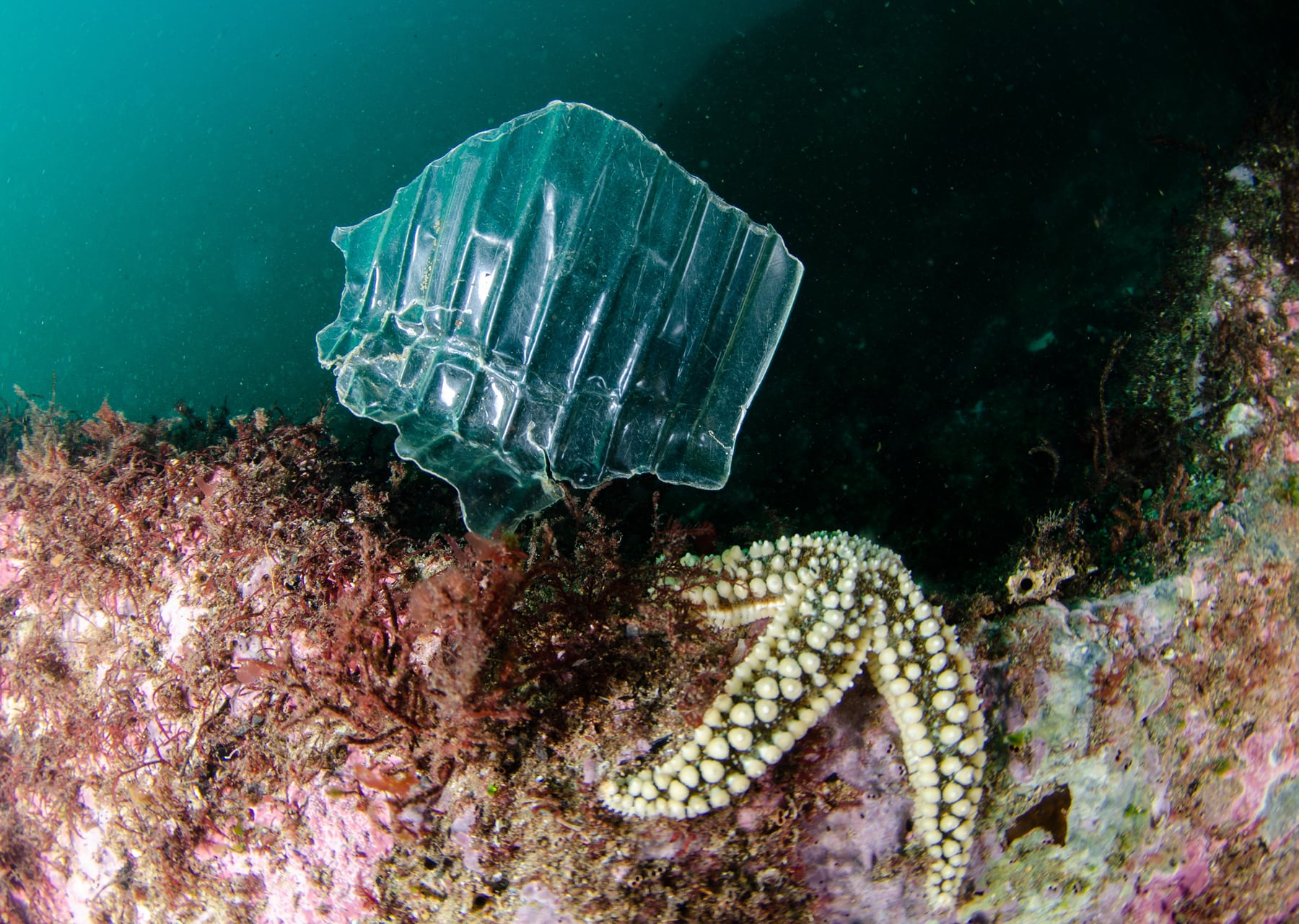
The plastisphere represents a new ecosystem on Earth, populated by microbes that colonize plastic. It's a result of life's ability to adapt and thrive in various environments, including plastic. This concept was first introduced in 2013 by microbiologist Linda Amaral-Zettler, Erik Zettler, and Tracy J. Mincer. The plastisphere encompasses all living organisms that inhabit plastic and their relationships with each other and the substrate.
It's primarily found in aquatic environments, but also exists on land, and on microplastics. The nature of plastic, which repels water, encourages biofilm formation, making it easier for other organisms to settle on the plastic. Amaral-Zettler's interest in this relationship began in 2004 when she noticed microplastics during her research on microscopic marine life.
In 2019, she and Doug Wilson discovered a floating buoy made of durable plastic in the South Atlantic, which was teeming with life. The buoy's plastic polymer, ABS, allowed researchers to trace its origin and route, revealing the hitchhiking ability of microorganisms to plastic. The plastisphere's dispersal ability poses risks, as it allows microorganisms to travel long distances and potentially introduce pathogens to new environments.
In Antarctica, most plastics found are likely from local sources, and research indicates that most plastics here come from human activities. While no pathogenic bacteria have been found in Antarctic plastisphere samples, any microbial proliferation could still alter the local biology and chemistry. Meanwhile, in coastal areas like Barcelona and Colombia, plastisphere microbial communities have been found to harbor pathogenic bacteria and antibiotic resistance genes.
This highlights the potential risks the plastisphere poses in closer proximity to human civilization. Despite these challenges, the plastisphere continues to expand, serving as a new biome and ecosystem on our planet, waiting to be further explored and understood.
Written by urgent.news from El Pais English's reporting — not their text. Machine-written — may contain errors; check the original before relying on it.