Weather and Range Technology
Weather Capabilities / Services KSC/Eastern Range has developed and utilizes the latest technology to predict and understand weather constraints related to ground operations and launch to protect personnel and flight hardware. Additionally, Kennedy has advanced radar capability to monitor launch vehicle dynamics, flight performance, and debris events during launch, ascent, and landing. A…
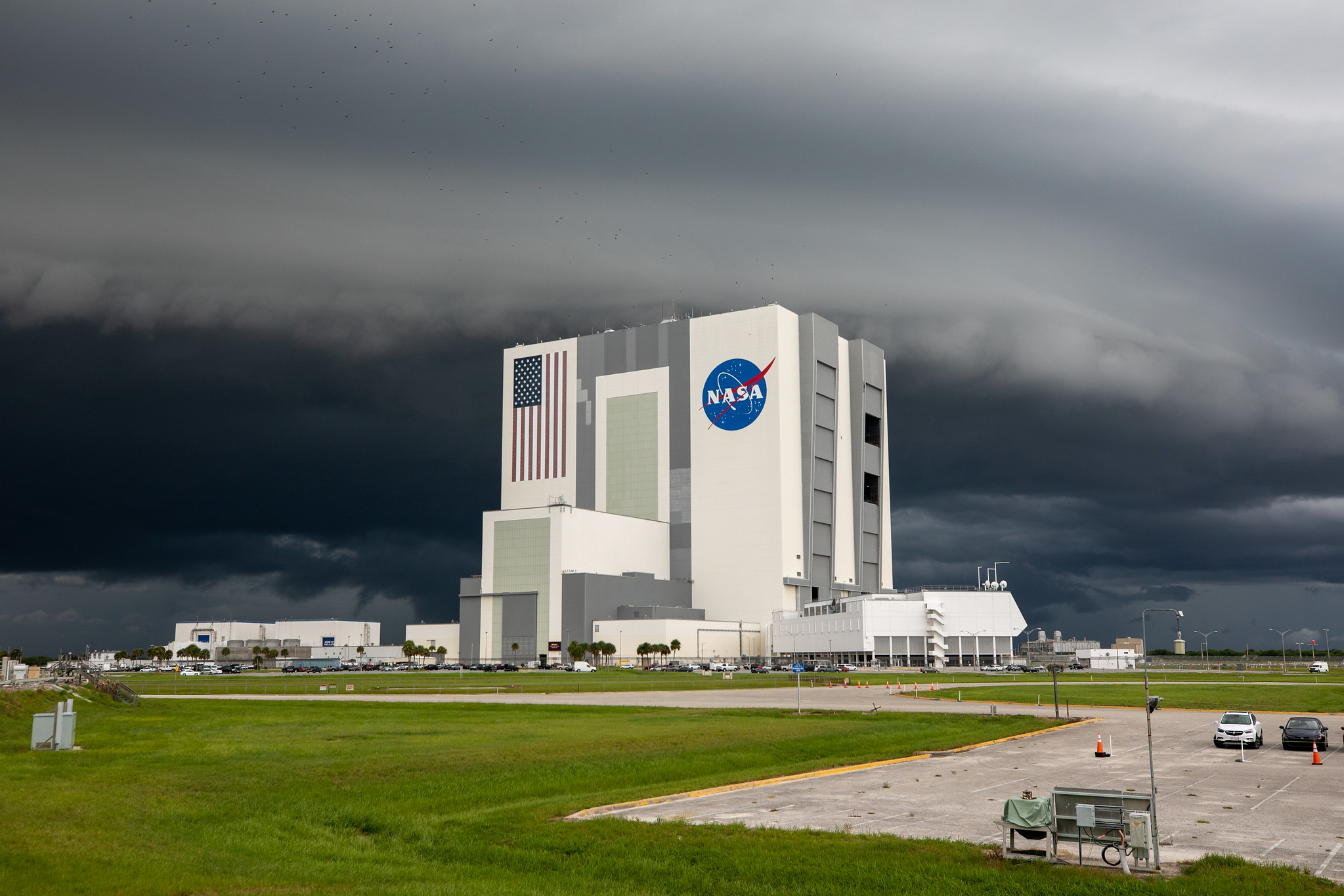
Kennedy Space Center (KSC) and Eastern Range have harnessed cutting-edge technology to anticipate and comprehend weather constraints impacting ground operations and launches. This is done to safeguard both personnel and spacecraft hardware. Furthermore, KSC has enhanced its radar capabilities to monitor launch vehicle dynamics, flight performance, and debris events during various stages of a launch.
In the mid-1990s, KSC introduced a two-phase lightning policy, resulting in annual savings of over $1 million in lost downtime.
The advanced equipment includes Doppler radar wind profilers (915 MHz and 48 MHz), the Mesoscale Eastern Range Lightning Information Network (MERLIN), upgraded lightning launch commit criteria to boost launch availability and safety, real-time tracking of vehicle radar signatures, staging dynamics, debris events, and plume signatures, and radar data to identify release sites, reconstruct trajectories, measure debris dimensions and material composition, pinpoint relative in-flight motion and flexure within the vehicle stack, and utilize Applied Meteorology Unit Weather Data Archive for wind, temperature, and humidity measurements at LC-39B.
The two X-Band Weibel Doppler radars (one offshore and one down-range) further bolster KSC's capabilities, along with advanced software tools for analyzing ascent or orbital objects. KSC and Eastern Range offer comprehensive forecasting services, with climatological data available within 10 days of launch and model data used to adjust launch times for optimal launch availability.
KSC boasts the most extensive suite of meteorological instruments to ensure safe operations and maximum launch availability, including wind profiling radars up to 61 kft, surface electric field sensors, wind sensors, lightning sensors, lightning video capture, and more. The Launch Experience Facility provides facility-specific forecasts, watches, and warnings to maintain safe operations and facilitate rapid returns to operations after hazardous conditions have passed.
Written by urgent.news from NASA Science's reporting — not their text. Machine-written — may contain errors; check the original before relying on it.