US yen intervention blindsides Europe, puts global economy on alert
Global economic policy now seems at the mercy of an exceptionally casual approach to information, scribbled on a notepad, awaiting an update on Scott Bessent's to-do list.
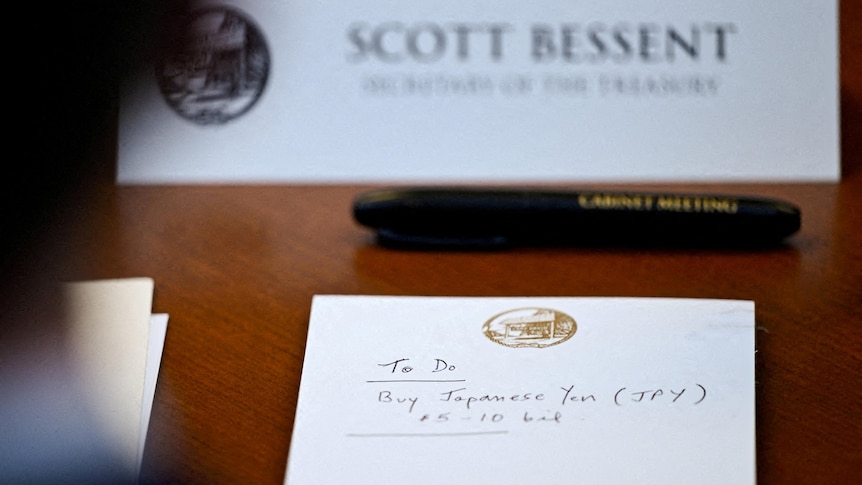
The recent intervention by the US to buy Japanese yen amounted to a staggering $5 to $10 billion, leaving Europe bewildered and casting a shadow over the global economy. This move, orchestrated by the US Treasury Secretary Scott Bessent, aimed to bolster the value of the yen which had plummeted to a 40-year low. The intervention was a joint effort between the US and Japan, portrayed as an act of solidarity.
However, the US also stood to gain from a stronger yen, as it could bolster their competitive edge against Japan and potentially stabilize US Treasury bond markets, given Japan's significant holdings of US bonds. The region-wide implications of such currency fluctuations are far-reaching, reminiscent of the Asian financial crisis of 1997.
South Korea, once a beacon of economic prosperity, is now grappling with volatile market conditions and a sharp decline in its share market value. Indonesia and Vietnam, both riding the wave of regional growth, are not without their own issues, with Indonesia's government spending and Vietnam's rapidly growing economy under scrutiny.
The situation highlights the delicate balance of economic policies in Asia, where expansionary fiscal policies are at odds with monetary policies aimed at curbing inflation. Japan, in particular, is wrestling with inflation fueled by a depreciated currency, while striving to revive its sluggish economic growth. The central bank's efforts to stabilize the currency through market interventions have been extensive, raising the question of whether to prioritize inflation control or growth stimulation.
The interplay of economic indicators in Asia is complex and conflicting, leading to a shift towards less clear directives from central banks and a potential erosion of central bank independence.
Written by urgent.news from ABC News AU's reporting — not their text. Machine-written — may contain errors; check the original before relying on it.