Ukraine’s Fleeting Turnaround
The chorus of optimism has quieted on several fronts, including Zelensky’s struggle with corruption and his relations with Trump.
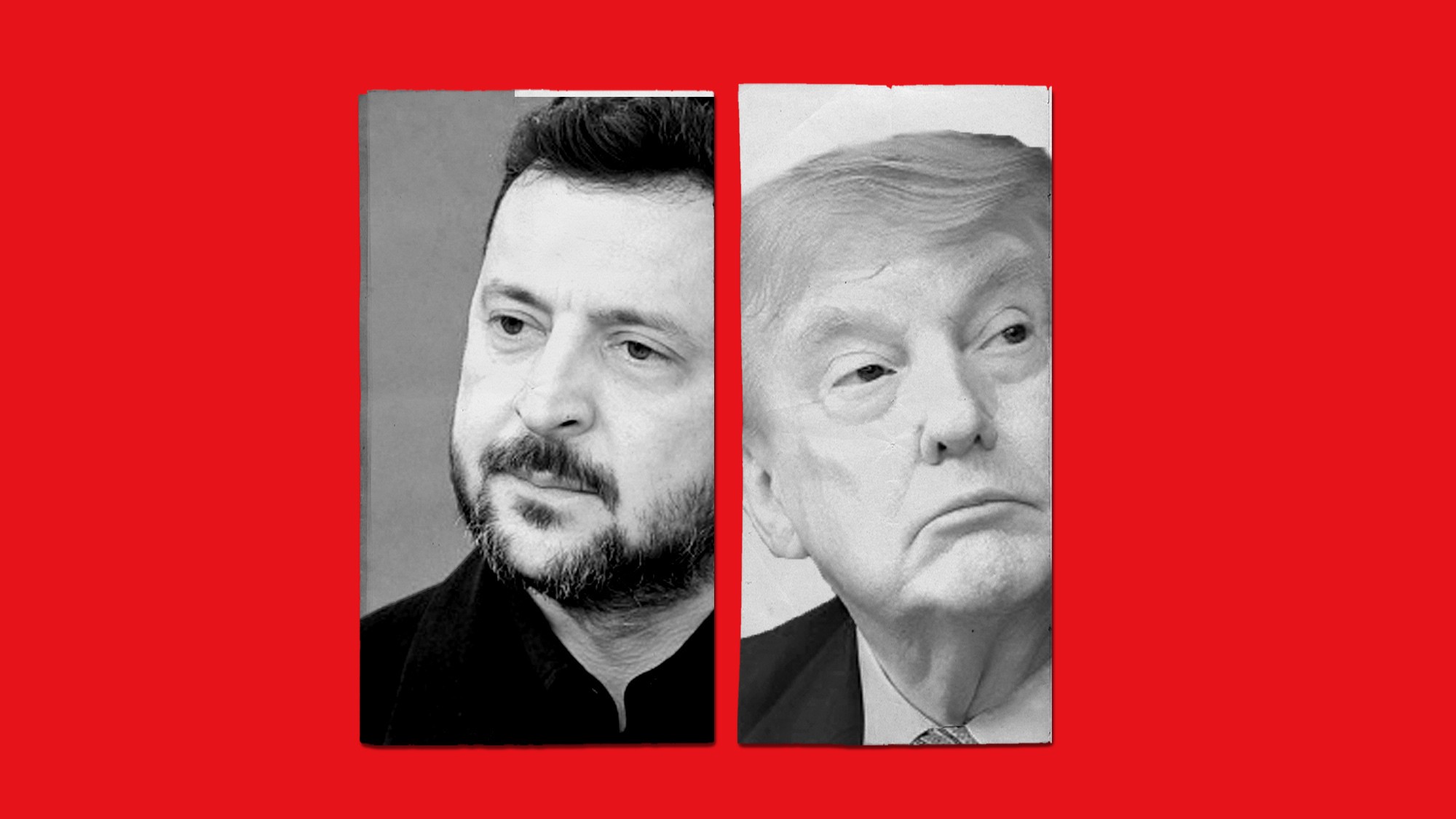
Following a brief period of progress in Ukraine's four-year war, recent developments have cast doubt on the nation's prospects for survival. President Volodymyr Zelensky had previously enjoyed a string of military victories and had received support from U.S. President Donald Trump, who even engaged in high-profile discussions with Zelensky.
However, recent events have led to a swift reversal of fortunes. Trump, during a meeting with Zelensky last month, failed to commit to supplying Ukraine with essential air defense systems, such as the Patriot missile batteries, and also reneged on his promise to allow Ukrainian companies to manufacture these systems themselves. Back in Kyiv, Zelensky's administration has faced internal strife, with Defense Minister Mykhailo Fedorov resigning and former Deputy Prime Minister Olha Stefanishyna stepping down amid allegations of corruption.
These setbacks have come at a critical time for Ukraine, as the country braces for another harsh winter of Russian bombardment. Zelensky has reportedly asked Trump to intervene on his behalf, possibly by involving Elon Musk's SpaceX and its Starlink satellite system to guide missile strikes against Russian missile batteries. However, there have been no concrete indications that Trump's envoys, Steve Witkoff and Jared Kushner, will visit Kyiv in the near future, despite initial promises.
The lack of support from the U.S. has left Ukraine's leadership frustrated and anxious, with President Zelensky hinting at the possibility that the White House may be motivated by political motives rather than genuine concern for Ukraine's well-being.
Written by urgent.news from The Atlantic's reporting — not their text. Machine-written — may contain errors; check the original before relying on it.