Ukraine, U.S. upgrading Soviet-era S-300 anti-air missiles
Ukraine and the United States are jointly working to modernize old interceptors for S-300 air defense systems or to develop a new type of munition with improved performance, retired U.S. Army Col. Robert Hamilton said on PBS NewsHour on Aug. 5.
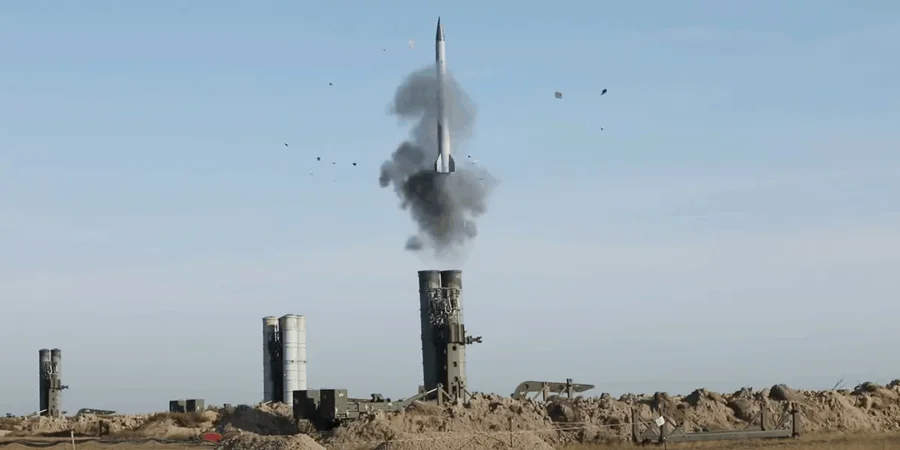
Ukraine and the United States are collaborating to enhance Soviet-era S-300 anti-air missiles, or create a new type of munition with improved performance, according to retired U.S. Army Col. Robert Hamilton, who spoke on PBS NewsHour on August 5. Hamilton, the president of Delphi Global Research Center consultancy, stated that an upgraded system could be completed by the end of 2026, with potential production rates ranging from a hundred to several hundred missiles per year.
Ukrainian news outlet Defense Express suggests that this program could help address a gap in interceptors for U.S.-provided Patriot systems. Hamilton noted that the new system is unlikely to have an immediate impact, but over time, it could partially fill the needs currently met by Patriot batteries. Experts pointed out that while Patriot's main role in Ukraine is intercepting ballistic and hypersonic missiles, particularly with PAC-3 MSE interceptors, a modernized S-300 would need to be capable of engaging modern missile systems like Russia's Iskander-M, Kinzhal, Onyx, and Zircon to become a viable alternative.
Ukrainian firm Fire Point, in partnership with European entities, is developing an anti-ballistic system called Freyja, which uses the 48N6 missile from the Soviet-era S-300 and S-400 systems. However, it is unclear if the U.S. is participating in Freyja, which is primarily a Ukrainian-U.S. project. Even if the upgraded S-300s cannot intercept ballistic targets, they could alleviate Ukraine's broader shortage of air-defense missiles.
Written by urgent.news from New Voice of Ukraine's reporting — not their text. Machine-written — may contain errors; check the original before relying on it.