Trump signs orders to limit US birthright citizenship, despite Supreme Court ruling
US President Donald Trump signed two executive orders on Thursday in a new but narrower attempt to curtail birthright citizenship, once again challenging a provision of the US Constitution even though the Supreme Court rejected his previous effort. Limiting birthright citizenship has been one of the top priorities in the Republican president’s crackdown on immigration, with the White House taking…
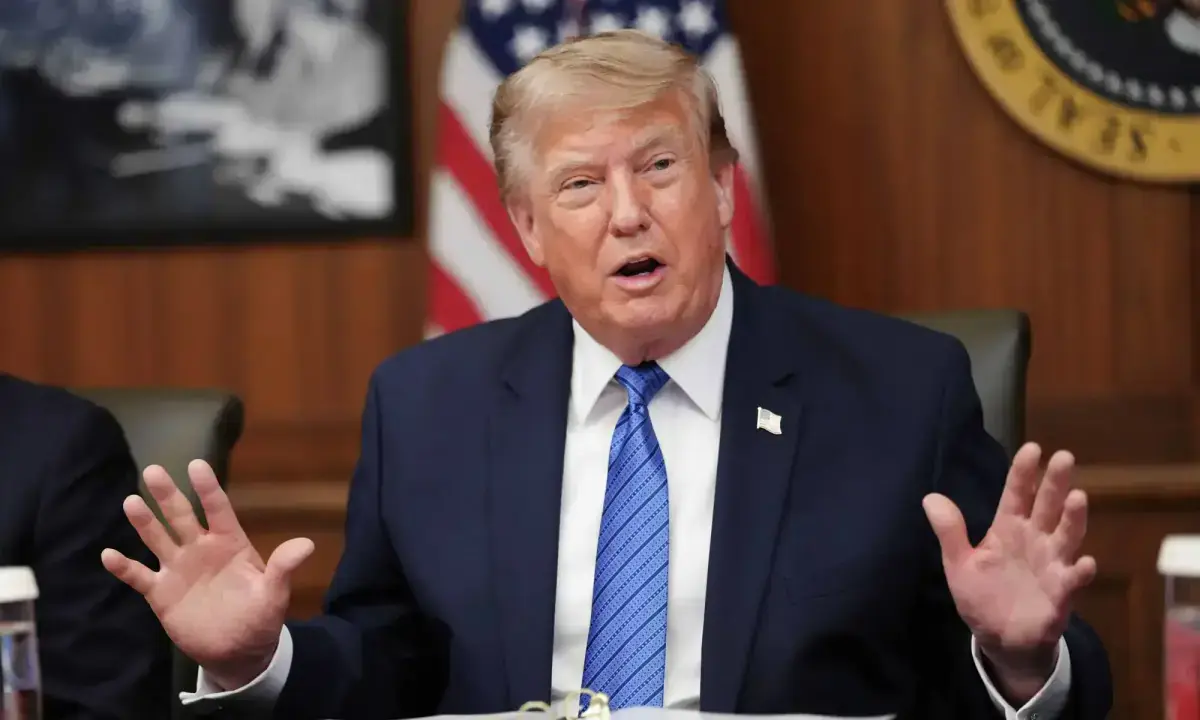
President Donald Trump signed two executive orders on Thursday, aiming to further restrict birthright citizenship in the United States, despite a recent Supreme Court ruling that rejected his earlier attempt. The president's objective is to address what he terms "birth tourism," where pregnant women from abroad visit the US to give birth.
Although the White House has targeted this issue, the new executive orders are seen by legal experts and immigration advocates as efforts to circumvent the Supreme Court's decision from June 30. The orders set policy guidelines but lack the legislative weight of laws enacted by Congress. The Supreme Court had previously struck down Trump's initial executive order as unconstitutional, which had targeted a broader range of immigrants in the country illegally or temporarily.
White House aide Stephen Miller announced at the signing ceremony that the new directive seeks to reinterpret historical exceptions to birthright citizenship, expanding the group of ineligible individuals. The Center for Immigration Studies estimates that between 20,000 and 25,000 mothers traveled to the US for birth tourism annually between 2016 and 2017, while the US witnessed 3.6 million births in 2025.
Additionally, the executive orders limit the rights of children born to foreign government employees and individuals classified as alien enemies in the US. Should Congress pass a proposed law to abolish automatic citizenship in US territories, the orders could also impact these individuals. Legal experts are uncertain about the impact of the executive orders given the Supreme Court's ruling, while immigrant advocates view the orders as an attempt to evade the high court's decision.
The American Civil Liberties Union (ACLU) predicts the orders will fail in court, emphasizing that birthright citizenship is a constitutional guarantee that has endured for over 150 years. The Women's Refugee Commission also expressed concerns, stating that the executive orders could infringe upon the rights of pregnant women during their most vulnerable moments.
In a statement, Trump described the June 30 ruling as a "very unfortunate decision," accusing those who engage in birth tourism of exploiting the system to build businesses. He criticized the practice as "not the way it's supposed to work" and vowed not to allow it. However, the 14th Amendment, ratified after the Civil War, has consistently been interpreted to grant citizenship to all persons born in the US, with limited exceptions such as foreign diplomats and enemy combatants.
Chief Justice John Roberts noted in the Supreme Court's ruling that the 14th Amendment's promise of citizenship extends to every free-born person in the United States.
Written by urgent.news from Dawn's reporting — not their text. Machine-written — may contain errors; check the original before relying on it.