This Paradoxical Desert Landscape Is Filled with Fresh Water
Dunes and lakes as far as the eye can see The post This Paradoxical Desert Landscape Is Filled with Fresh Water appeared first on Nautilus .
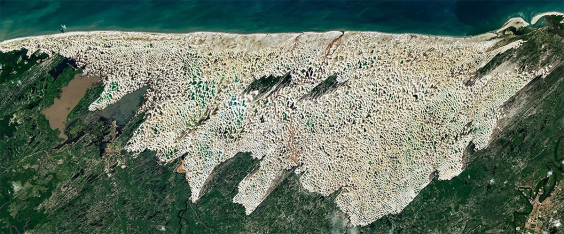
Lençóis Maranhenses National Park in northeastern Brazil presents a striking paradox, as seen from NASA Landsat 9 satellite imagery. The park features vast sand dunes, spanning around 350 square miles, and numerous freshwater lagoons. These dunes can rise up to nearly 100 feet due to persistent trade winds blowing from the east during the dry season. The sand, largely composed of quartz, has accumulated over hundreds of thousands of years, shaped by fluctuating sea levels.
Annually, the park receives approximately 50 inches of rain, which is significantly higher than Seattle and more than double San Francisco’s annual rainfall. The dunes are nestled within three distinct biomes in Brazil: the Amazon rainforest, the Cerrado savanna, and the shrublands and forests of the Caatinga. This unique combination of elements creates the dramatic images observed in the satellite images, taken last month when the lagoon levels were at their peak.
The park has earned the designation of a UNESCO World Heritage site in 2024, and NASA continues to monitor the area. The dunes are moving westward at a rate of 13 to 82 feet per year, with the entire dune field having expanded westward by nearly a third of a mile over the past two decades. The name "Lençóis Maranhenses," which translates to "the bedsheets of Maranhão" in Portuguese, aptly describes the appearance of these dunes and lakes from above.
NASA’s satellite imagery sheds light on the park’s name and its striking visual contrast, earning it the moniker of "the desert with an oasis everywhere you turn."
Written by urgent.news from Nautilus's reporting — not their text. Machine-written — may contain errors; check the original before relying on it.