These Chicago school board incumbents face no opponents. What does that mean for voters?
Katrina Kasten, a mother of two CPS students on the North Side, remembers a lot of political flyers and canvassers at her door two years ago when the city’s first school board elections were underway. That year, the North Center resident had six candidates competing for her vote. Now,…
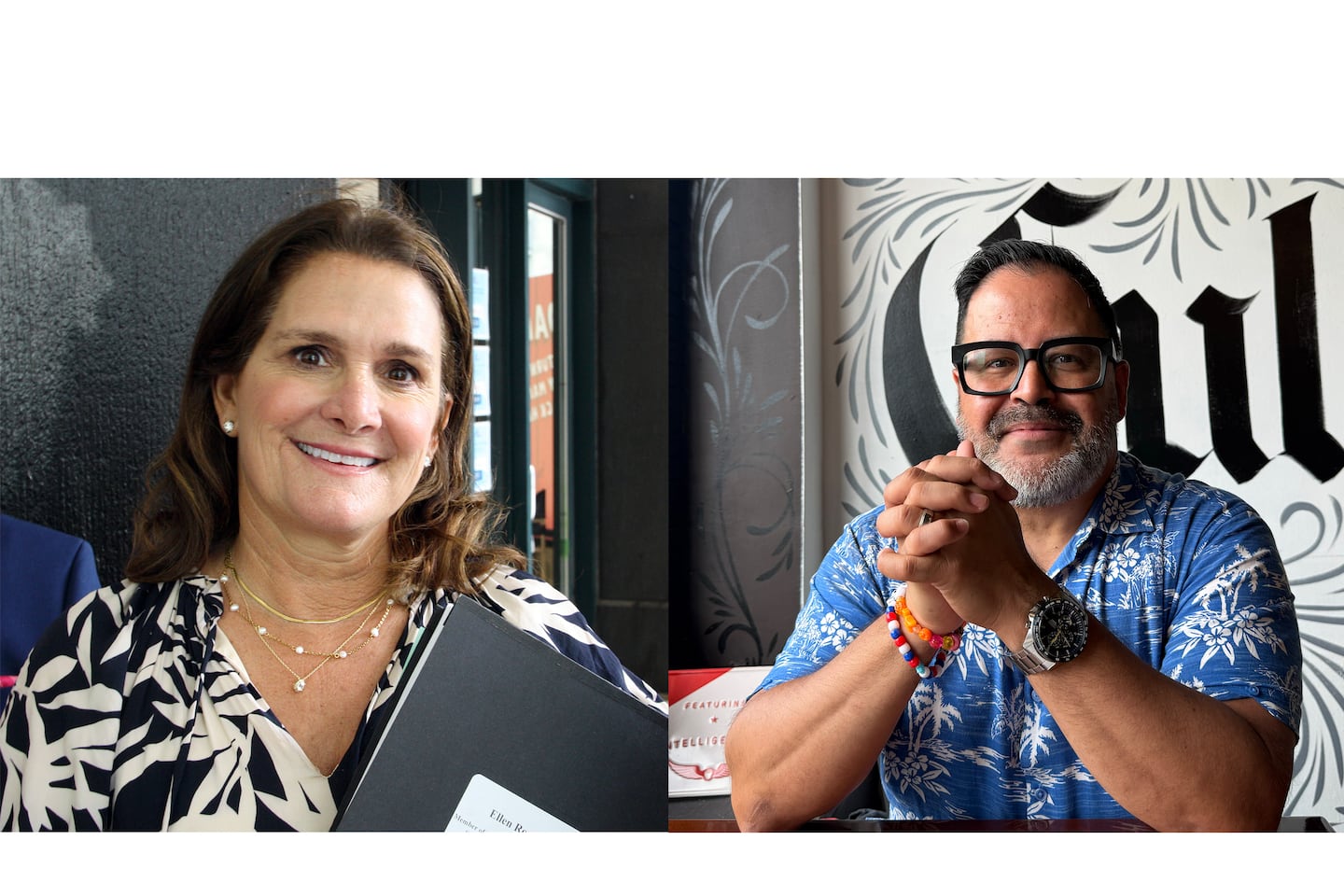
In Chicago, the upcoming school board elections present an unusual scenario: several incumbents are running without opposition. For voters like Katrina Kasten, who has two children in the Chicago Public Schools (CPS), this lack of competition raises concerns. Kasten, a mother of two CPS students, remembers the political flyers and canvassers that accompanied the city's first school board elections two years ago, when six candidates competed for her vote.
Now, she only has one candidate, Ellen Rosenfeld, representing her district. "I always appreciate when there's more than one candidate on the ballot, because it brings to light conversations," Kasten said. Both Rosenfeld and Angel Gutierrez, Gutierrez representing parts of the Southwest Side, are running unopposed. This trend is not unique to these two districts; three additional districts in Chicago are also uncontested.
This absence of competition may leave voters with a sense of unease, questioning whether they will have the chance to choose their representatives in the future. The reasons behind this lack of competition are multi-faceted. Gutierrez and Rosenfeld easily won their districts in the 2024 election and are backed by influential figures and organizations, potentially dissuading potential opponents.
Serving on the school board is often a part-time job without pay, which could deter candidates. However, political consultant Joanna Klonsky emphasizes that competition is beneficial for a democratic system and allows candidates to engage in robust debate. Klonsky also notes that even unopposed candidates can benefit from the electoral process, potentially building a following over time.
Despite the lack of competitive races, both Gutierrez and Rosenfeld dominated in the 2024 election. Gutierrez won his district with nearly 63% of the vote, while Rosenfeld secured almost 42% of the votes. A Chalkbeat analysis of last year's election results at the precinct level reveals that both candidates could have put up a strong fight if they had faced opposition this year.
Gutierrez won double the number of votes as the second-place candidate in his precinct, while Rosenfeld won by a margin nearly as large. These districts are also characterized by their demographic and economic makeup. Gutierrez's Southwest Side district is more than 60% Latino and less educated than the city as a whole, while Rosenfeld's district is predominantly white, wealthier, and more educated.
These factors may have influenced potential opponents' decisions not to challenge the incumbents. Furthermore, both candidates received endorsements from influential organizations, which could have further dissuaded potential challengers. Rosenfeld was endorsed by over a dozen elected officials, including state lawmakers and labor unions, while Gutierrez was also supported by powerful local officials.
In conclusion, the lack of opposition in Chicago's school board races this year leaves voters questioning whether they will have the opportunity to choose their representatives in the future. While incumbents like Rosenfeld and Gutierrez have strong support from influential organizations and local officials, the democratic process could be enhanced by more robust competition and robust debate.
Written by urgent.news from Chalkbeat's reporting — not their text. Machine-written — may contain errors; check the original before relying on it.