The right lurch of Malaysia: ASEAN should watch it with care
As the political center of Peninsular Malaysia shifts rightward, preserving the nation’s fragile multiethnic balance is becoming a crucial test, not just for its federation but for the stability of ASEAN.
Malaysia's political landscape is undergoing a significant rightward shift, a development that carries profound implications for the nation's delicate multiethnic equilibrium and the broader ASEAN region. Throughout much of its history, Malaysia has stood as an outlier in Southeast Asia, a Muslim-majority country governed by a constitutional monarchy, parliamentary democracy, and a surprisingly resilient multiethnic alliance.
While far from perfect, this unique blend of Islam, multiculturalism, free markets, and constitutional governance successfully coexisted for decades, demonstrating that these diverse elements could not only coexist but also thrive when intertwined.
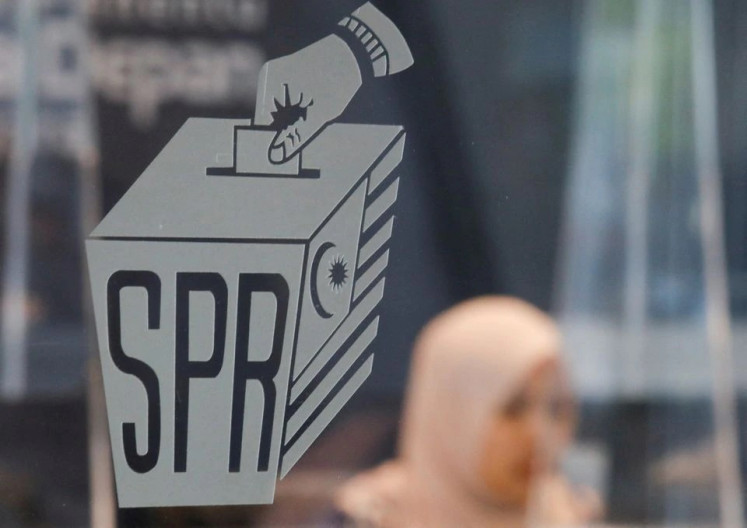
However, recent electoral dynamics suggest that this equilibrium may be reaching a critical juncture. A recent state election in Negeri Sembilan, a province in Peninsular Malaysia, serves as a cautionary tale. A coalition between Barisan Nasional and Perikatan Nasional secured a decisive two-thirds majority in the 36-seat legislative assembly, leaving Pakatan Harapan, the incumbent governing coalition, with only 11 seats.
While it may seem tempting to attribute these outcomes to local factors, the broader political strategy behind the victory cannot be ignored. The successful consolidation of the Malay-Muslim vote through strategic candidate coordination is an electoral blueprint that party strategists across the region are likely to emulate.
The Pan-Malaysian Islamic Party (PAS) appears to be the chief beneficiary of this political realignment. While the party that fielded the most candidates does not automatically emerge victorious, the ability to coalesce around a single, unifying narrative has proven instrumental in Malaysia's recent electoral shifts. As such, Malaysia's nascent rightward turn is not merely a domestic concern but a critical test for the stability of the ASEAN community.
The political strategies employed by Malaysia's parties could set a precedent for other nations in the region, where similar demographic and ethnic complexities abound. As such, ASEAN leaders must closely monitor these developments and prepare to adapt their own governance models accordingly.
Written by urgent.news from The Jakarta Post Academia's reporting — not their text. Machine-written — may contain errors; check the original before relying on it.