The political cost of Europe’s migration dilemma
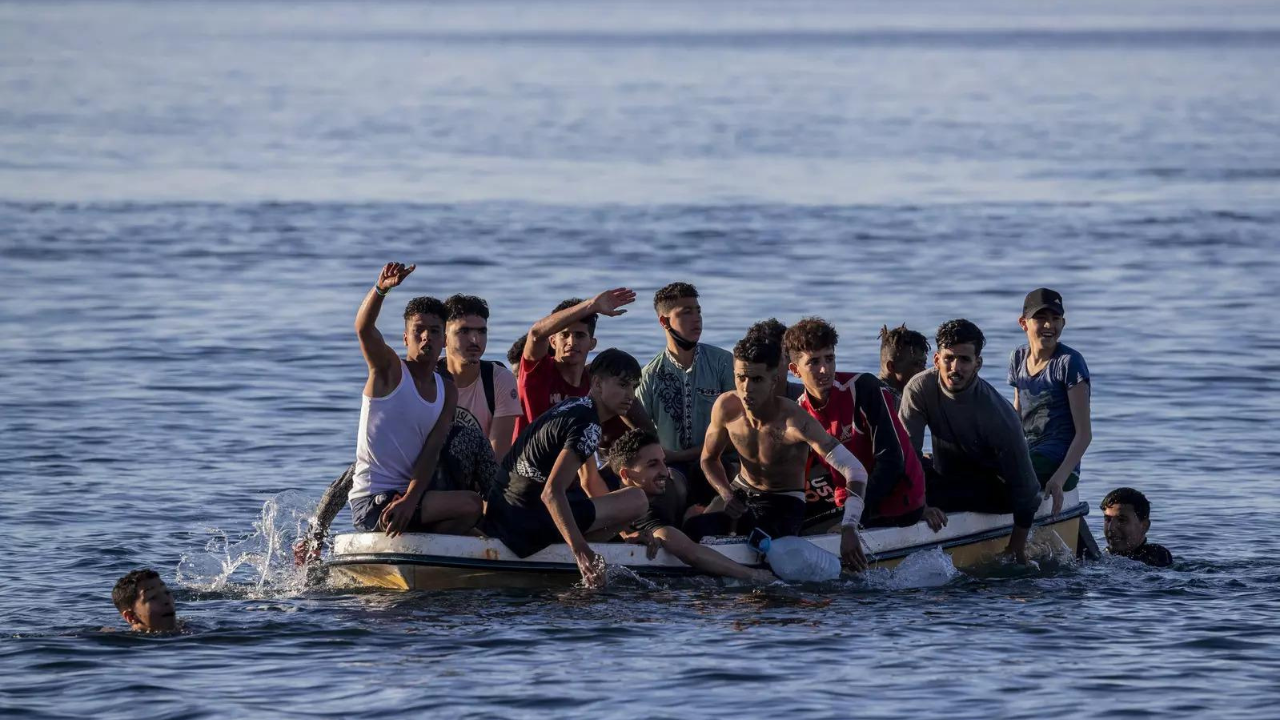
Europe is increasingly reluctant to accept immigration, a situation recently highlighted by the perilous journeys of migrants attempting to reach Ceuta, a small Spanish enclave in North Africa. This issue is not an isolated event; it represents Europe's ongoing dilemma in balancing humanitarian duties with domestic political considerations.
At first glance, the situation seems simple: hundreds of thousands of migrants are trying to enter Europe in search of a better life. However, the reality is far more complex. The underlying question has evolved from why people continue to migrate to Europe to a broader debate about the continent's political landscape.
Since 2015, when the largest migration crisis since World War II began with over a million refugees entering Europe, this issue has become a deeply divisive political fault line across Europe. From Berlin to Madrid, governments have responded by tightening asylum rules, reinstating border controls within the Schengen Area, and outsourcing migration control to neighboring countries.
The surge in migration has reignited a debate that has been shaping Europe for over a decade. Governments are facing growing public anger over immigration policies and are resorting to various measures to manage the situation. Some are tightening immigration controls, while others are offering more generous asylum policies.
The migrant crisis has also highlighted a deeper rift in European society. People are no longer just fleeing economic hardship or seeking new opportunities; their journeys symbolize a continent grappling with issues of identity, security, sovereignty, and humanitarian responsibility.
The turning point in this debate was in 2015, when the Syrian civil war and instability in other regions led to a significant influx of refugees and migrants. Initially, many Europeans responded with compassion, but as the crisis persisted, attitudes began to shift.
Several factors have contributed to this shift. Housing shortages have become acute in several countries, particularly Germany, the Netherlands, Ireland, and Portugal. Local governments struggle to accommodate rapidly growing populations, leading to increased social tensions. Additionally, concerns over healthcare systems and schools have grown, as local governments argue they lack sufficient resources to support these additional needs.
In 2025, despite a sharp decline in EU asylum applications, public anxiety over migration remains high. This discrepancy underscores the gap between European governments' policies and their effective enforcement. High-profile attacks by migrants or asylum seekers in countries like Germany and France have further fueled public anger and increased calls for stricter immigration controls.
Written by urgent.news from Times of India's reporting — not their text. Machine-written — may contain errors; check the original before relying on it.