The moral paradox of extreme wealth: Why people oppose it yet are reluctant to take steps to reduce it
Extreme inequality is commonplace, so why do people accept it?
Extreme wealth concentrates power in the hands of a select few, while the vast majority struggle to meet basic needs. Despite this stark disparity, many people seem reluctant to advocate for measures to reduce wealth inequality. This disconnect between people's stated moral preferences and their willingness to act on them can be attributed to the inherent tensions within morality itself.
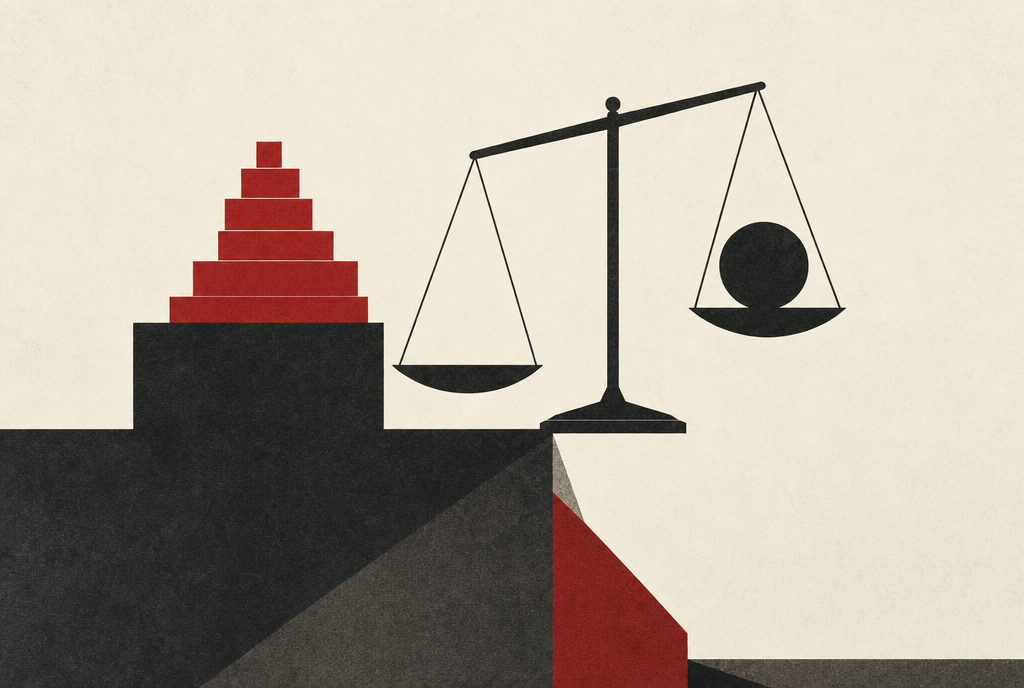
Morality operates on two opposing principles: protecting individuals from harm and preserving personal autonomy and freedom. When an action is deemed harmful, society typically seeks to limit its occurrence through regulation or punishment. However, when such restrictions infringe upon individual freedom, a moral dilemma arises. This same tension manifests in debates surrounding extreme wealth.
Proponents of extreme wealth argue that it represents the fulfillment of the "American Dream": individuals have the right to reap the rewards of their own efforts, talents, and risks, free from government interference. They believe people should have the freedom to choose what to do with their earnings, including passing them on to future generations.
On the other hand, the moral harms caused by extreme wealth cannot be ignored. Wealth can lead to disproportionate market influence, political sway, and the control of public platforms, potentially undermining democracy and causing widespread harm.
The challenge lies in determining the appropriate balance between protecting personal freedom and preventing the harmful consequences of extreme wealth. Navigating this moral fault line requires acknowledging the competing demands and finding solutions that respect both the individual's right to prosperity and the collective well-being.
Written by urgent.news from The Conversation's reporting — not their text. Machine-written — may contain errors; check the original before relying on it.