The Ledger: Wall Street’s Take on the Broadcast Cap Removal
Plus, a cheat sheet to this week's busy earnings results The post The Ledger: Wall Street’s Take on the Broadcast Cap Removal appeared first on TheWrap .
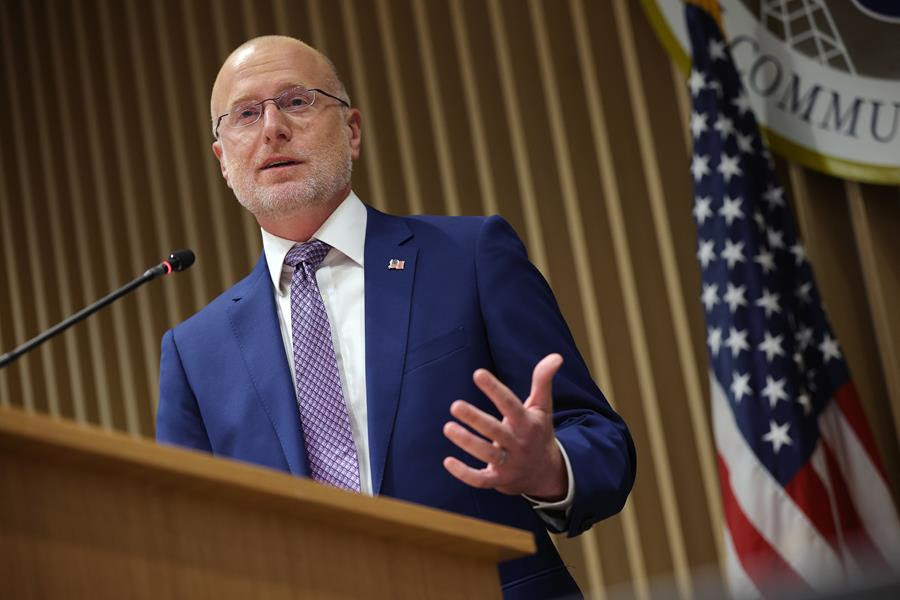
The Federal Communications Commission (FCC) recently removed a 22-year-old cap limiting the number of local TV stations that a single company could own. This move has sparked mixed reactions from Wall Street analysts, with some optimistic about increased industry consolidation and others cautious about potential legal challenges. The deep dive into the reaction from broadcasters and investors highlights the uncertainty surrounding the change and the potential impact on media mergers and acquisitions (M&A).
Analysts from Huber Research Partners, Craig Huber and Blair Levin, stated that the removal of the cap is likely to lead to more consolidation within the TV industry over time. However, they also noted that immediate deal activity may not occur due to ongoing legal challenges, including state-level opposition to the ownership cap removal. Sinclair's rejected bid to buy Scripps Media and the ongoing legal battles over Nexstar's acquisition of Tegna indicate that the M&A landscape remains volatile.
Despite the uncertainty, broadcast executives have welcomed the change, with Nexstar CEO Perry Sook expressing optimism about pursuing additional deals after integrating Tegna. Sinclair CEO Chris Ripley also applauded the FCC's decision, stating that the elimination of the cap will make large-scale M&A easier and less risky. He added that Sinclair is planning to redouble its efforts in the M&A area, including potential market-by-market station acquisitions.
Gray Media, another major player in the TV industry, appears to be content as a standalone public company for now. However, smaller station owners like Allen Media Group may be looking to reduce their debt by selling off some of their holdings. The publicly traded broadcasters' share prices have been relatively flat or down over the past year, with TV broadcasting stock valuations currently not cheap, given the potential for increased consolidation in the industry.
Analysts also noted that the change in ownership cap limits may lead to proposals for mergers between companies, potentially involving stock-for-stock transactions to avoid debt. Nexstar, Gray Media, E.W. Scripps, and Sinclair have seen little change in their share prices over the past 12 months, reflecting the uncertainty surrounding the industry's future direction.
Written by urgent.news from TheWrap's reporting — not their text. Machine-written — may contain errors; check the original before relying on it.