Scientist says RAM pricing has reverted to normalized 2007 levels — memory prices have been falling exponentially for decades, but the AI shortage undid 20 years of progress in a matter of months
The per GB price of memory modules have gone back to 2007 levels because of AI demand. This is the first time that prices have shot up in the realm of tech, Lemire says.
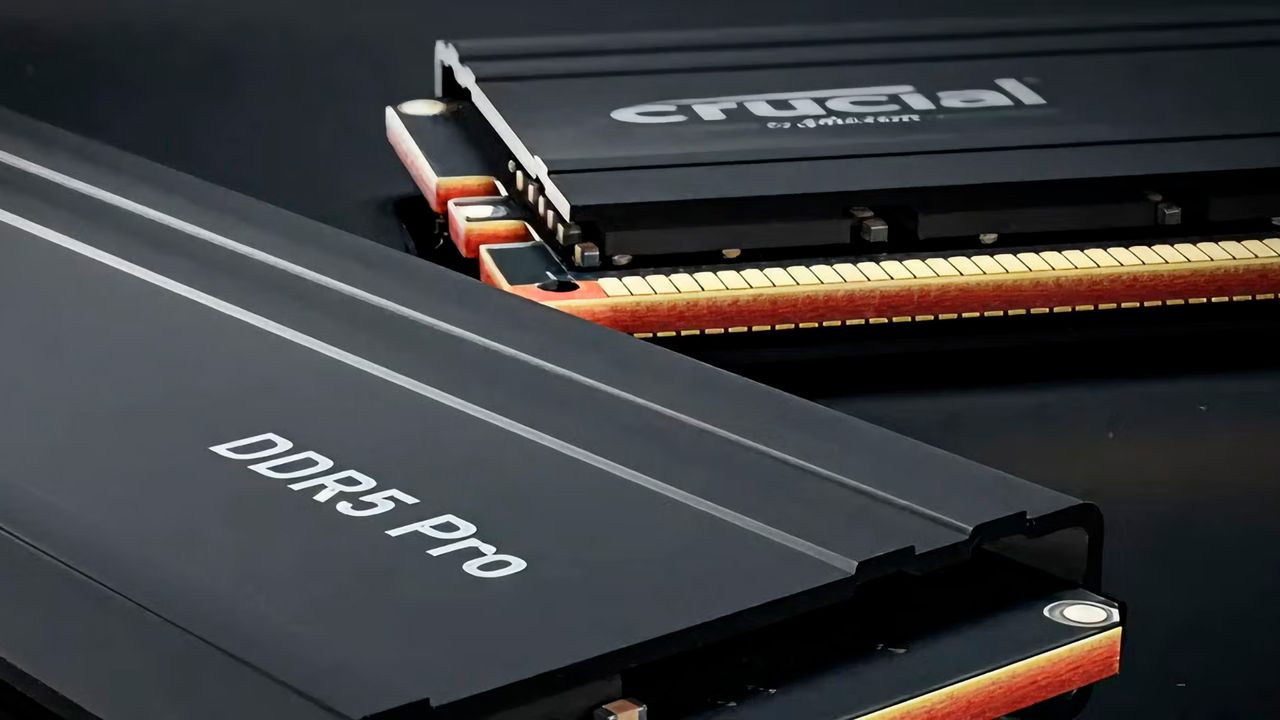
Daniel Lemire, a software performance expert and GitHub developer, has pointed out that RAM pricing has returned to levels similar to those in 2007 due to an unprecedented spike in demand for high-bandwidth memory (HBM) driven by the artificial intelligence (AI) boom. This sudden demand has undone about 20 years of exponential decrease in computer memory prices, which experts consider a historical anomaly.
According to Lemire, it's unclear if something similar will occur again in the future, but he suggests either developing AI systems with less memory or creating faster and more abundant memory solutions.
The latest price for DDR5 memory is between $13.28 and $11.41 per GB, which has not been seen since 2008 when DDR2 prices were around $15 and $11.00 per GB. Taking into account 2024 inflation, the current DDR5 price is between $12.74 and $10.94 per GB, the same level as in 2011 when DDR3 prices were at $11.85 per GB.
Over time, technology advancements like manufacturing and miniaturization have generally led to cheaper tech. For instance, the first general-purpose digital computer, ENIAC, cost $400,000 in 1946, equating to around $6,850,297.44 in today's dollars, while a modern smartphone like the Moto G Play costs $99.99 and features a Snapdragon 680 processor with 3.3 TOPS AI performance. This comparison highlights how much technology has improved and how prices have dropped.
The surge in memory prices is not due to a supply bottleneck or technological setback, but rather the massive demand for HBM from the AI race. Demand for HBM is increasing by approximately 20% annually, while the industry's memory output typically grows by only 20% a year. Elon Musk has noted that AI demand is increasing by 200% annually, making the current situation unsustainable and forcing the industry to find solutions to increase supply and lower prices.
Written by urgent.news from Tom's Hardware's reporting — not their text. Machine-written — may contain errors; check the original before relying on it.