Russia is squeezing independent gas stations out of its fuel market
Russia cannot make more fuel. So it’s handing the market to the state-linked majors, and the independent ones are being cut out.
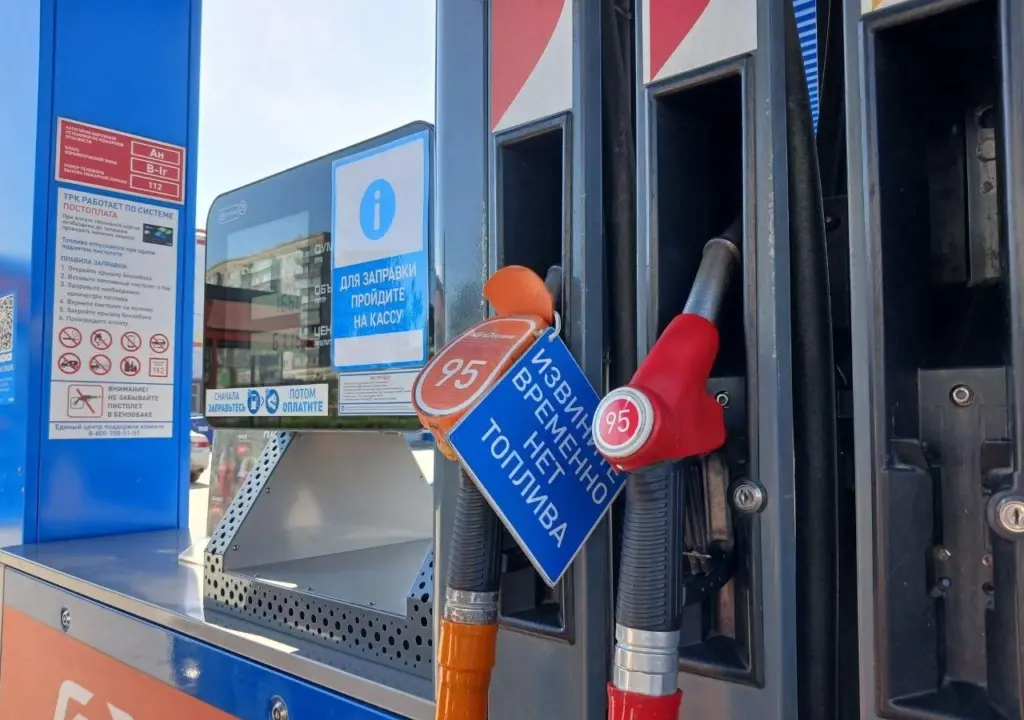
Russia's fuel market is being reshaped as the government seeks to alleviate shortages caused by Ukrainian drone strikes on refineries. Instead of increasing fuel production, the Kremlin opted for a different approach: contracting fuel distribution directly between major producers and buyers, effectively sidelining independent gas stations.
In June, analysts recommended raising the exchange quota for gasoline sales, but the government decided to cut it from 15% to 10%, with the major producers pushing for a further reduction to 2%. The fuel exchange, which had set prices for a decade, was also closed to traders who bought fuel with the intention of reselling. This shift benefits the vertically integrated oil companies, who now control the entire supply chain from refinery to pump and can set their own profit margins.
Meanwhile, independent gas stations are struggling, with 60% to 72% of Russia's roughly 25,000 gas stations now unable to buy fuel at the exchange price. They have to resort to purchasing gasoline from major producers at higher prices, often hauling it from distant refineries. Rosneft, a major oil company, has capitalized on this situation by increasing its sales at its own pumps.
The government's decision to allow refiners to sell banned Euro-2 gasoline again and the closure of online marketplaces have further exacerbated the situation. Prices have eased mainly in urban areas, while regions with a high concentration of independent gas stations have remained short on fuel. The state's efforts to stabilize the market have focused on keeping fuel flowing to major cities and the priority government sector, rather than ensuring the survival of independent gas stations.
The lack of transparency in the fuel market, with less information published on output, stocks, and regional supply, has left regulators and outside observers with less data to assess the situation. As the fuel exchange shrinks, its prices no longer accurately reflect the market, and the state publishes fewer updates on production and distribution.
Written by urgent.news from Euromaidan Press's reporting — not their text. Machine-written — may contain errors; check the original before relying on it.