Renaming MTI to Ministry of Energy, Trade and Industry is much more than rebranding, experts say
This is not the first time a change of name has signalled increasing prominence of a portfolio.
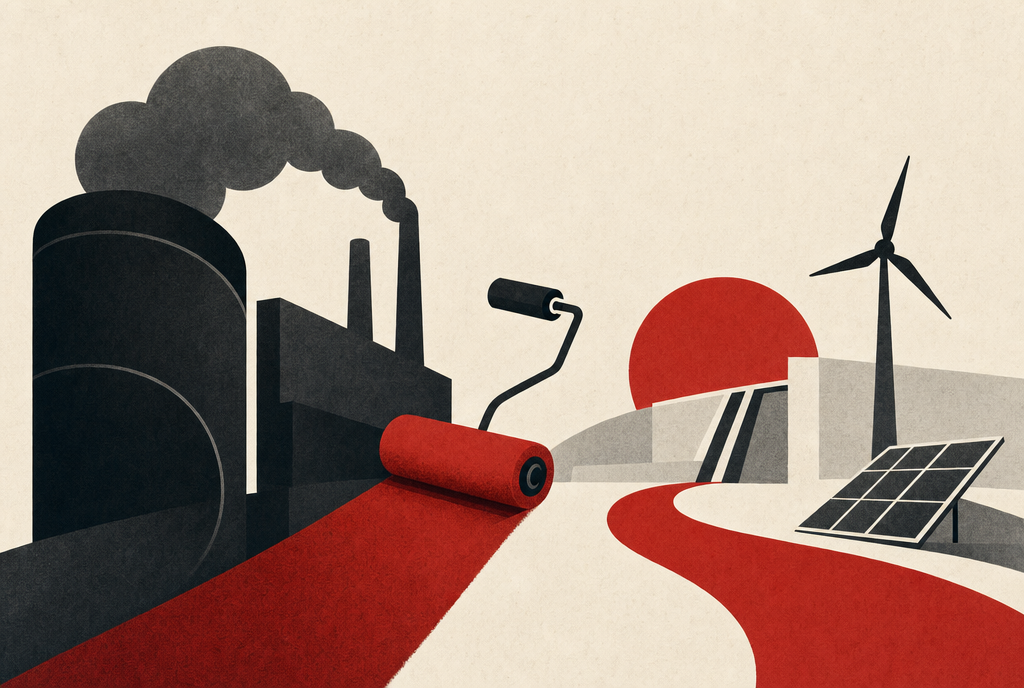
The renaming of the Ministry of Trade and Industry (MTI) to the Ministry of Energy, Trade and Industry (METI) represents a significant shift in the importance placed on energy, according to experts. This change, effective as of October 1, is seen as a signal of the growing centrality of energy to Singapore's economic competitiveness, industrial transformation, and long-term resilience. Prime Minister Lawrence Wong emphasized that energy is becoming increasingly central to the country's strategic priorities.
The name change reflects energy's role as a key economic pillar and a vital aspect of the nation's pursuit of clean energy. Tan See Leng, who will oversee energy and industry as the new Minister for Trade and Industry (Energy and Industry), highlighted that the change elevates energy from a peripheral issue to a central pillar of Singapore's economic strategy. The move is less about reallocating functions and more about increasing the political prominence and ministerial ownership of energy.
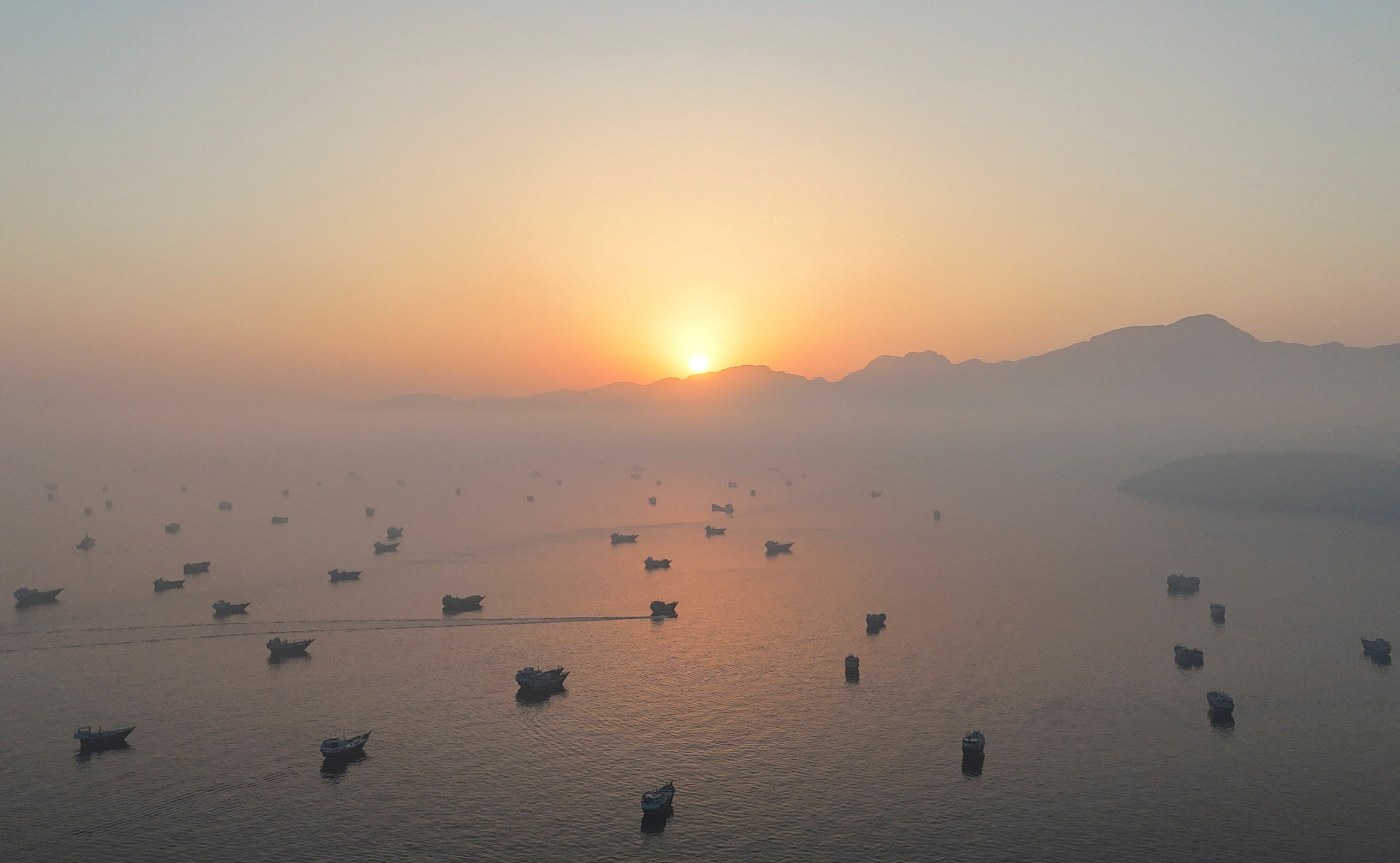
Victor Nian, founding co-chairman of the Centre for Strategic Energy and Resources, noted that the change comes at a time of heightened geopolitical uncertainty, particularly with the closure of the Strait of Hormuz, a critical global shipping route. This has exposed Southeast Asia's dependence on imported oil and gas, making energy security a paramount concern.
Nian argued that integrating energy more explicitly into the ministry's mandate enhances Singapore's ability to pursue decarbonisation while safeguarding energy security.
The new name also underscores the broader significance of energy in shaping Singapore's industrial competitiveness, investment attractiveness, and economic resilience. Tan-Soo Jie Sheng emphasized that the change will have greater significance depending on the institutional capabilities, accountability, and sustained investment in energy infrastructure. He pointed out that energy is an inter-ministry effort, and coordination with other agencies remains crucial for its effective management.
Experts noted that this change is not just a rebranding exercise but a reflection of Singapore's evolving energy landscape. The appointment of a dedicated minister for energy could provide greater weight to energy issues and enable more consistent, long-term decision-making. This move aligns with Singapore's strategic goals and its role as the ASEAN chairmanship in 2027, where energy security will be a key focus.
Written by urgent.news from Straits Times's reporting — not their text. Machine-written — may contain errors; check the original before relying on it.