Ranking the Best Smart Glasses: Meta, Viture, & More (2026)
This burgeoning wearable tech lets you talk to an AI assistant, listen to music, or check out a display screen from the comfort of your very own face.
The rise of smart glasses has been a long time coming, but recent advancements have made them more than just a novelty. In 2025, Meta and Ray-Ban sold over 7 million pairs of smart glasses, indicating a growing popularity for the technology. Other tech giants like Google, Samsung, and Apple are also set to enter the market soon.
While smart glasses offer a range of features such as listening to music, hands-free texting, and providing information about the world around you, the market is highly diverse. Some models are essentially glorified headphones for everyday use, while others cater to specific needs like sports, gaming, or work. These glasses come in various designs, with varying specifications and price points.
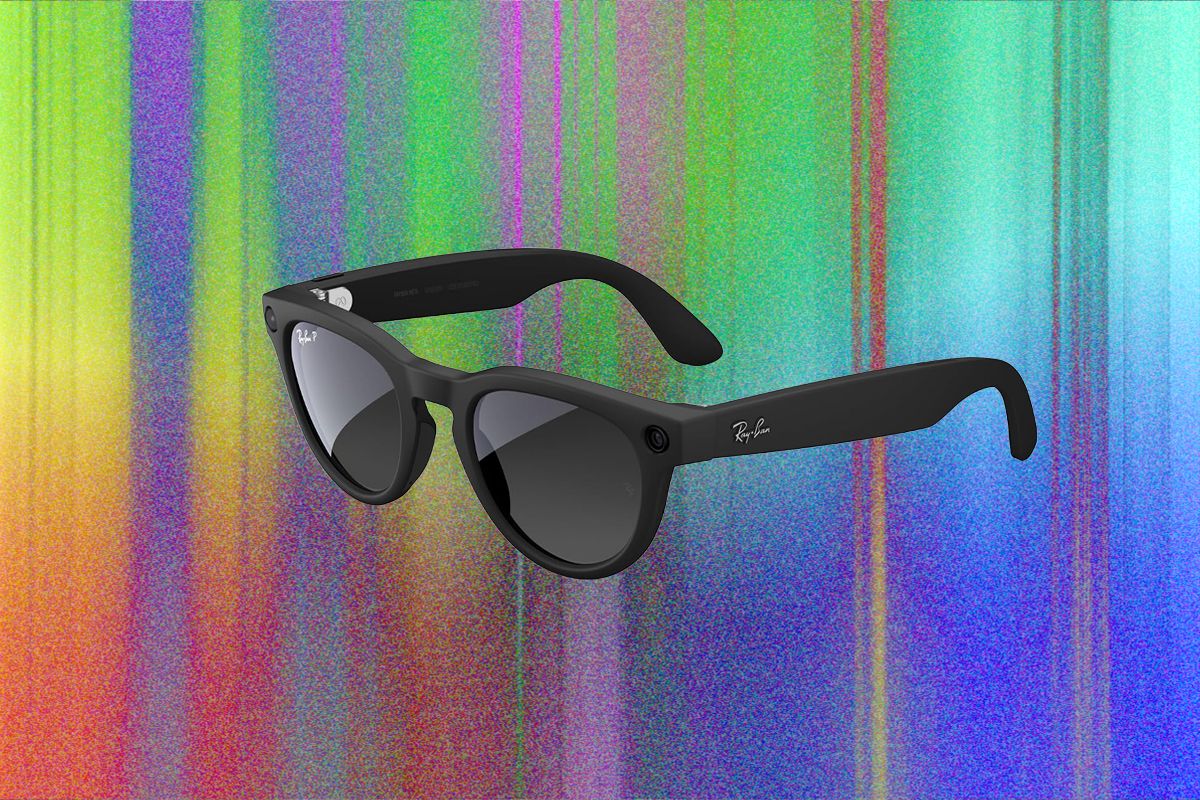
WIRED tested a wide array of smart glasses, and based on the findings, recommends the Ray-Ban Meta smart glasses as the best and most popular available. These second-generation glasses offer customizable frames and lenses, including prescription options, and boast a 12MP camera, open-ear speakers, and five microphones. They also have 32GB of storage and can operate for up to eight hours on a single charge, with an additional 48 hours possible through the included charging case. The glasses are water-resistant to IPX4 standards, making them suitable for light rain.
Despite their impressive features, the Ray-Ban Meta glasses do have some limitations. The photo quality is not as sharp as that of modern smartphones, and videos are limited to one minute in length. However, the quality improves significantly compared to the original Ray-Ban Meta glasses, allowing for up to 3K recording at 30 frames per second.
Users can also take advantage of AI features like live language translation and object recognition, but these require a connection to a smartphone and an internet connection for Meta AI to function.
Notably, the use of smart glasses has given rise to a new term, "pervert glasses," due to concerns about privacy and the recording of intimate moments. Over 70 organizations have formed a coalition to demand that Meta discontinue an upcoming face recognition feature, dubbed "Name Tag." That said, millions of people remain unconcerned, finding the technology useful for various applications.
In addition to their primary use, smart glasses with cameras can provide audio descriptions and answer questions about what users are seeing—features that could be particularly beneficial for individuals with vision loss. They also include an integrated Be My Eyes service that operates without the need for AI.
If you're considering purchasing smart glasses, be sure to weigh the benefits and drawbacks carefully. For Adrienne So, privacy and data security concerns led her to adopt a cautious approach, disabling unwanted features and keeping personal data off the Meta AI cloud. Regardless of your decision, smart glasses represent a significant development in wearable technology, and there are plenty of resources available to help you choose the right pair for your needs.
Written by urgent.news from Wired's reporting — not their text. Machine-written — may contain errors; check the original before relying on it.