Privacy experts warn of gaps in NZ law, as camera glasses hit Kmart shelves
But not everyone sees the technology as a threat, with some pointing out it's a game-changer for people with disabilities.
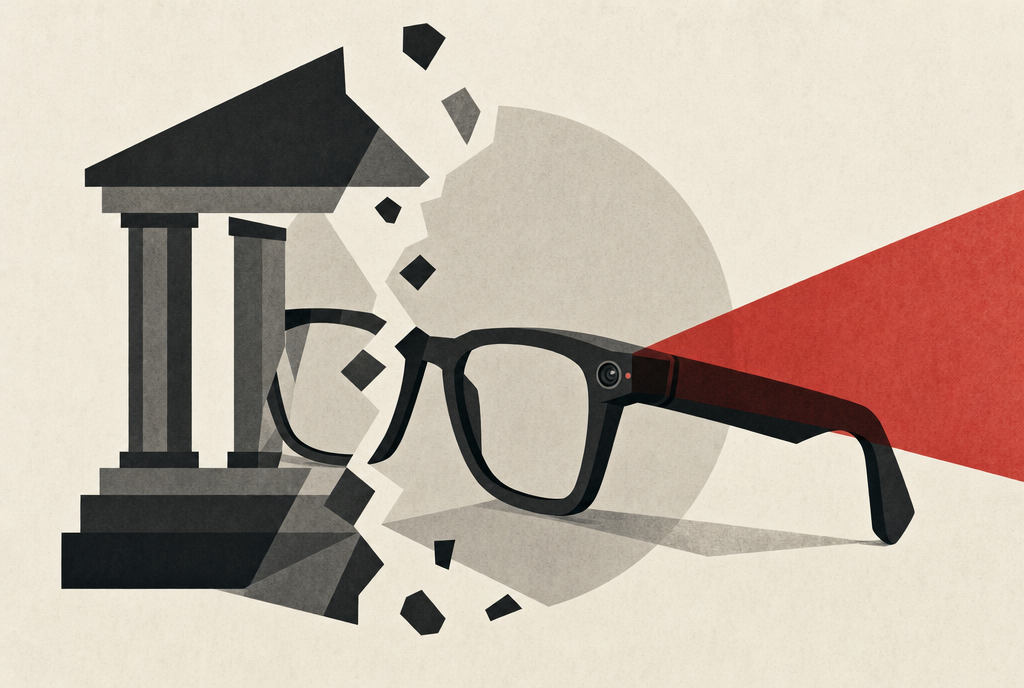
Privacy experts have raised concerns over gaps in New Zealand's laws, as wearable camera technology, marketed as "pervert glasses," begins to hit shelves at Kmart. University of Canterbury professor Annette Mills warned that these devices, essentially computers on one's face, combine cameras, microphones, speakers, and AI functions into everyday wearable technology.
Mills noted that while the glasses offer benefits like assistive support for people with disabilities, their growing popularity raises serious privacy concerns. Unlike smartphones, which require users to visibly activate recording, smart glasses can capture footage discreetly, making it challenging for bystanders to know if they are being filmed.
Overseas cases have already shown misuse, including secret recordings in bathrooms and women being approached before footage is uploaded to social media without consent. Mills highlighted how future developments, including facial recognition technology, could exacerbate privacy issues, making individuals feel vulnerable. New Zealand's privacy framework, primarily aimed at organizations, struggles to protect personal information collected by individuals using wearable tech.
While existing laws can address intimate recordings, harmful digital communications, and stalking, many everyday uses of camera glasses may fall outside current legal protections. The Office of the Privacy Commissioner noted that while the Privacy Act regulates businesses and organizations, individual misuse of tools like smart glasses could still breach the law if highly offensive to a reasonable person.
University of Auckland professor Gehan Gunasekara expressed concerns about companies behind the devices, warning that they could collect vast amounts of information about users' activities, which could be used to map trends and understand community behavior, raising broader privacy and data sovereignty questions. However, some, like Blind Low Vision New Zealand's Andrea Midgen, see AI-enabled smart glasses as a significant advancement for the blind and low-vision community, despite acknowledging privacy concerns.
Kmart confirmed the availability of its Anko Camera Glasses, stating customers should use them responsibly, respecting laws and community expectations around privacy. The Ministry of Justice has no immediate plans to introduce specific regulatory responses to smart glasses.
Written by urgent.news from RNZ Business's reporting — not their text. Machine-written — may contain errors; check the original before relying on it.