Physicists watch a material’s electrons assemble, and reassemble, into coexisting phases
The study could help scientists understand how superconductivity and other more complex phenomena emerge in quantum materials.
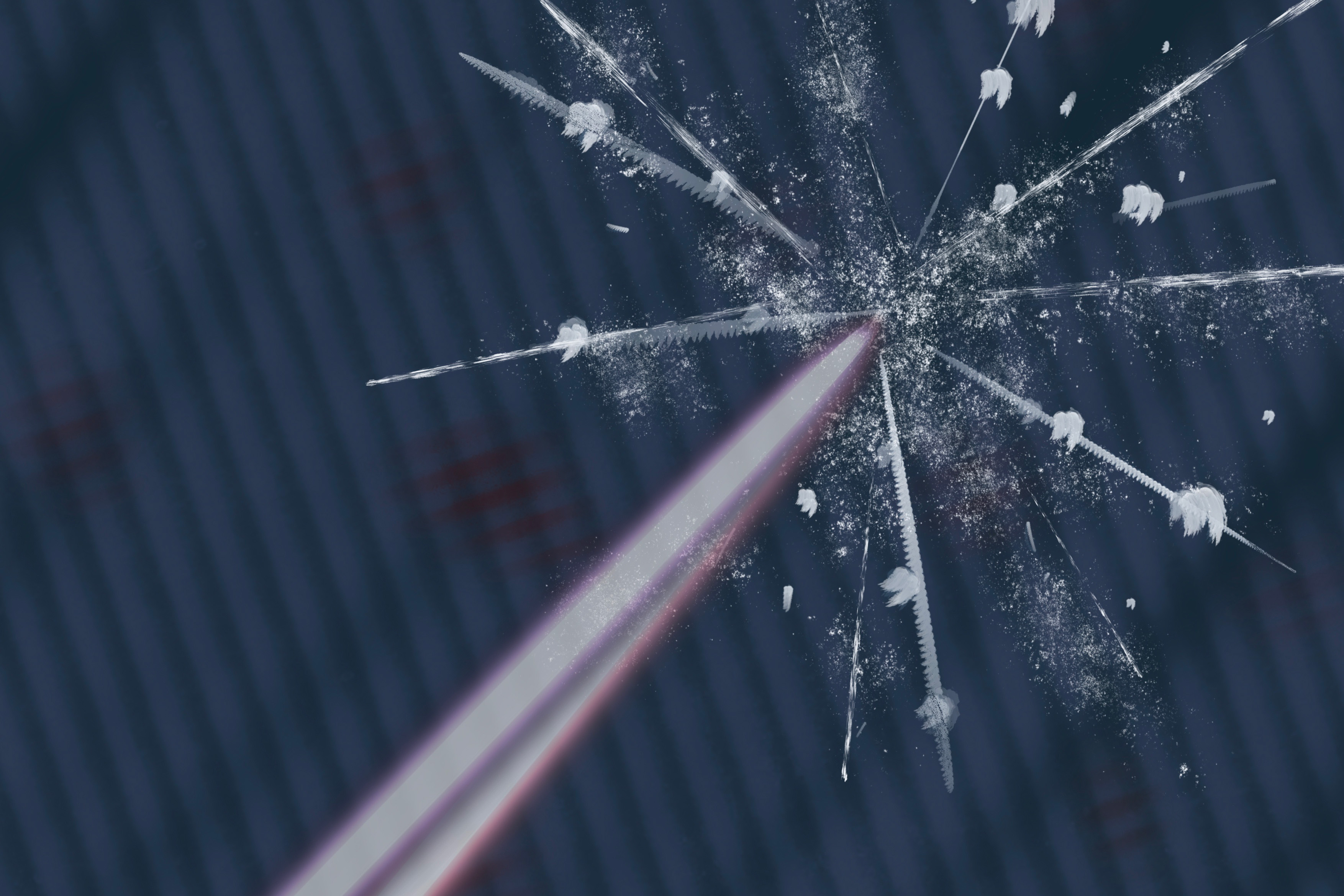
At the heart of everyday life lies a simple glass of ice water, an exemplar of coexisting phases. Molecular water, in its dual liquid and solid states, provides a glimpse of how this phase duality can be observed in more intricate, quantum materials, albeit in a far more complex manner. A recent study by Massachusetts Institute of Technology (MIT) physicists reveals how two distinct electron phases can emerge and coexist in the same quantum material.
Their findings, published in the journal Nature Physics, contribute to the understanding of various electronic phases, including superconductivity, magnetism, and others. Deciphering such phases and comprehending their emergence can help engineers control electronic behavior and create high-performance quantum devices. Alfred Zong, a co-author of the study, highlights the significance of quantum materials with multiple coexisting phases in the future replacement of silicon.
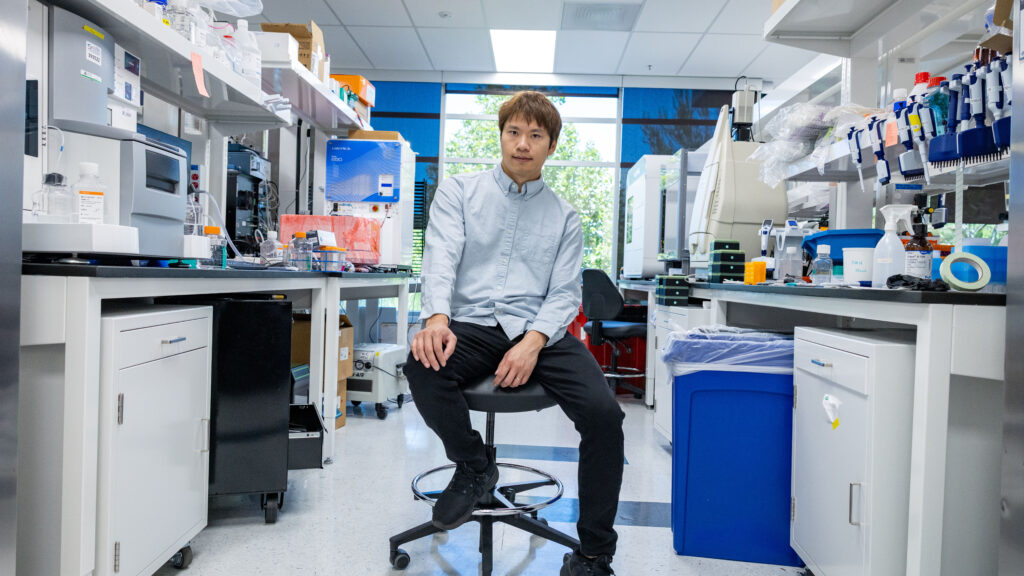
The research, spearheaded by Nuh Gedik, the Donner Professor of Physics at MIT, examined erbium tritelluride, a rare-earth material. Under normal conditions, erbium tritelluride's electrons are uniformly scattered throughout the material. However, cooling it to specific temperatures causes the electrons to organize into a wave-like pattern, termed a "charge density wave" (CDW) phase.
A subsequent cooling further leads to the formation of a second wavy phase that intersects the first, creating an atomic checkerboard of co-existing electron phases. The MIT-led team has now elucidated the formation and interaction of these phases in erbium tritelluride. They discovered that one phase emerges gradually, akin to liquid water uniformly transitioning into vapor, reflecting the conventional understanding of electronic phase transitions.
Conversely, the second phase forms unexpectedly, with electrons initially organizing in pockets that gradually expand, reminiscent of liquid water crystallizing into ice. The mechanisms behind the emergence of the second phase have been a subject of debate, and the study provides a novel approach to uncover the underlying physics.
The study's MIT co-authors include first authors Yifan Su PhD ’24 and Bai-Qing Lv, a former postdoc, with additional contributions from Dongsung Choi SM ’17, PhD ’24, Doron Azoury, Masataka Mogi, and collaborators from various institutions. The study sheds light on charge density waves, which consist of charges, such as electrons, spontaneously organizing in a wave-like pattern.
These waves, with their crests and troughs, have been observed for decades in materials hosting other complex electron coordination forms, including various magnetism forms and superconductivity. Gedik emphasizes that charge density waves, simpler than superconductivity, offer a playground for fundamental understanding. Su and the team aimed to observe charge density waves in a material displaying two CDW phases simultaneously, offering insights into the emergence and coexistence of these phases, which could, in turn, illuminate how superconductivity and other complex phase transitions occur.
The researchers obtained thin samples of erbium tritelluride and cooled them to temperatures conducive to hosting both CDW phases. By subjecting the samples to laser pulses, they could 'shake' and 'listen' to the system, observing the reemergence of both wave types. This meticulous process enables a deeper understanding of the coexistence and interaction of multiple phases in quantum materials.
Written by urgent.news from MIT News Research's reporting — not their text. Machine-written — may contain errors; check the original before relying on it.