Philippines’ subtitle-less ‘Spider-Man’ screening shows deaf inclusion is just lip service
The release of Spider-Man: Brand New Day in the Philippines was supposed to be a shared cinematic moment for fans who had waited months for the latest instalment in the superhero franchise. But for some deaf viewers, the experience was defined less by the action on screen than by what was missing: subtitles or captions that would allow them to follow the dialogue. That frustration, captured in a…
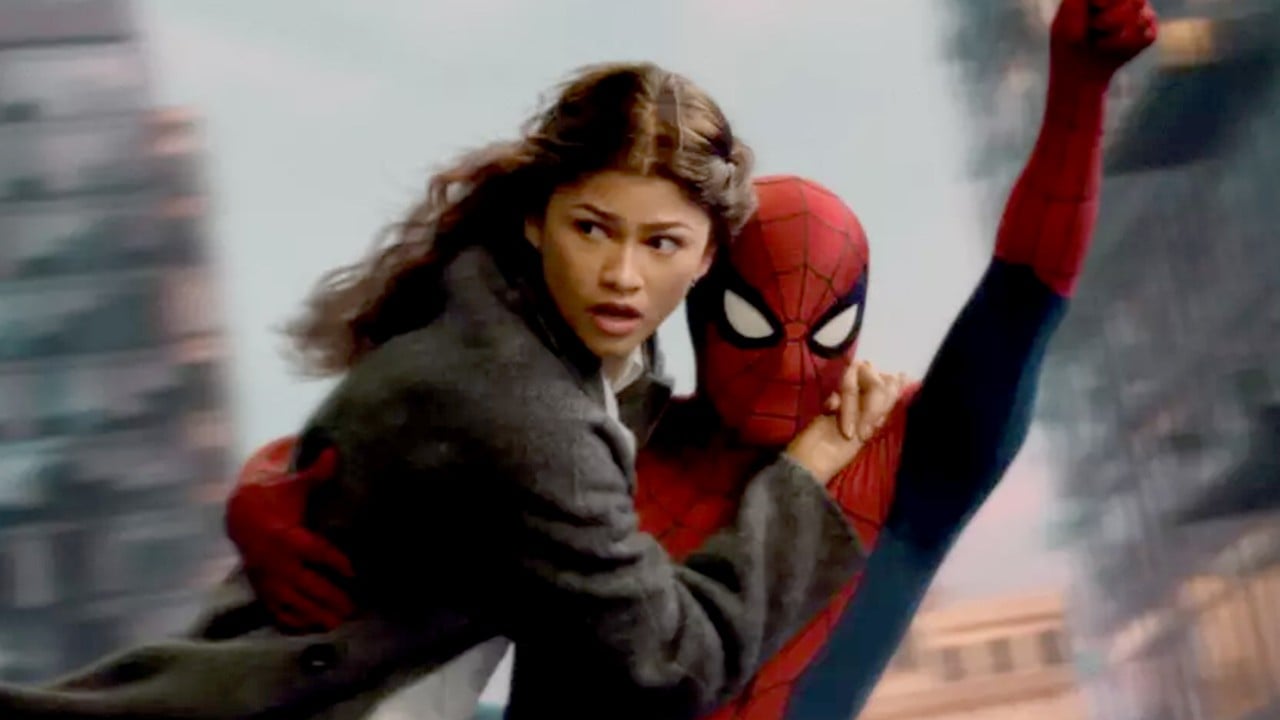
When <Spider-Man: Brand New Day> premiered in the Philippines, its release was intended to be an enjoyable event for fans eagerly anticipating the latest superhero installment. However, for deaf attendees, the experience was overshadowed by the absence of essential subtitles or captions, which hinders their comprehension of the film's dialogue.
This disappointment was highlighted in a widely shared Facebook post, where a user named <Cherry Ann> described watching the movie with a deaf friend, emphasizing the pain of witnessing the film while their companion struggled to follow along. "My friend is deaf, and we were so excited to watch the new Spider-Man movie," she wrote, "but it was painful to see that I could understand what was happening, while she was just staring at the screen, trying to figure out what was happening."
This scenario is not unique, as deaf advocates have expressed concerns about the lack of accessible screenings in the country. Chindee <Cruz>, a part-time deaf special education teacher, shared her own experience witnessing a group of deaf friends eagerly anticipating the movie, only to be disappointed and disheartened by the absence of subtitles.
"They were very disappointed because they had been so excited to watch the movie, but without subtitles, they could not fully enjoy or understand it," she explained. Inaccessible screenings not only deprive deaf individuals of the enjoyment of a shared cinematic experience but also create barriers to participation in society. Graphic designer and Filipino Sign Language (FSL) advocate <Hennie Parrocha> recounted a personal experience, saying, "I could understand the characters' facial expressions and actions, but I couldn't understand what they were saying or follow the story."
Deaf advocates, such as <Ahira Lotivio>, argue that accessibility should be treated as a basic right rather than an afterthought. Inaccessible screenings, they insist, create barriers that prevent deaf audiences from fully comprehending important dialogue, sound effects, and emotional cues that hearing viewers take for granted. The problem is not new, and deaf advocates have long emphasized the need for accessible screenings.
Angelita <Capanang>, a board member of the Philippine Association of the Deaf, recalled accompanying a deaf friend to watch the musical film <Les Miserables> in the 1990s, when media accessibility was an even greater concern. Because there were no subtitles or closed captions, her friend relied on her to interpret the dialogue, and she admits that conveying both dialogue and music effectively was challenging due to the dark theatre and the prohibition of flashlights.
Despite the passage of laws aimed at supporting the inclusion of the deaf community, such as the Filipino Sign Language Act of 2018, the Philippines signed the United Nations Convention on the Rights of Persons with Disabilities in 2007, and the 2016 Closed Captioning Act, advocates argue that these measures remain insufficient.
The laws do not mandate the provision of closed captions or sign language interpretation in cinemas, and even when offered, they often fail to meet the high-quality standards necessary for effective communication. Deaf advocates stress that accessibility should encompass both high-quality captions and Filipino Sign Language (FSL) interpretation to cater to the diverse needs of the deaf community.
By providing both options, deaf individuals can choose the language that best suits their understanding, ensuring an inclusive and enriching experience for all.
Written by urgent.news from South China Morning Post's reporting — not their text. Machine-written — may contain errors; check the original before relying on it.