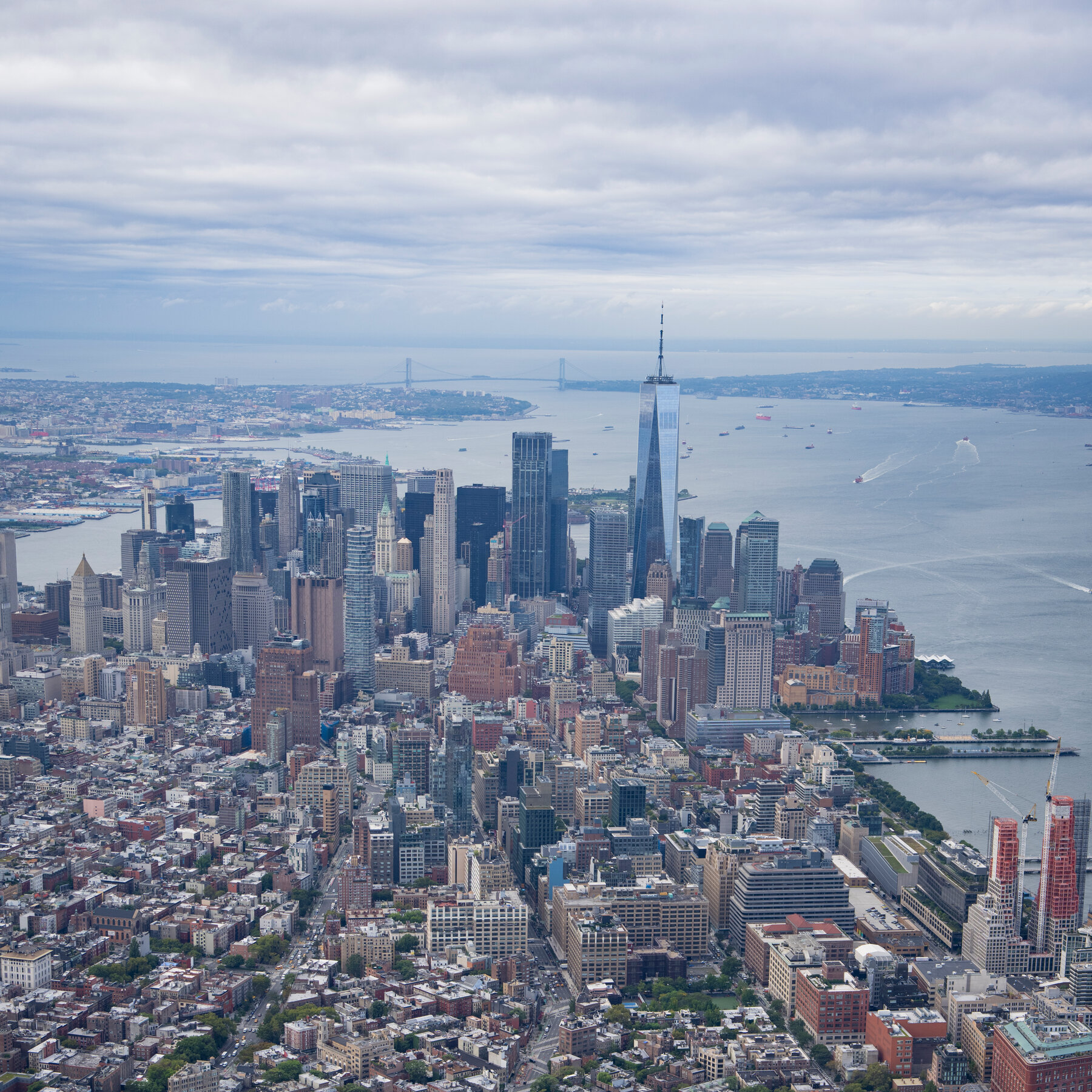
Peningkatan pelaburan asing bukti keyakinan dunia terhadap Malaysia
Pelaburan berkualiti perlu cipta pekerjaan berkualiti, tingkatkan gaji, perkukuh kemahiran pekerja, buka peluang PKS dan bina rantaian bekalan domestik.
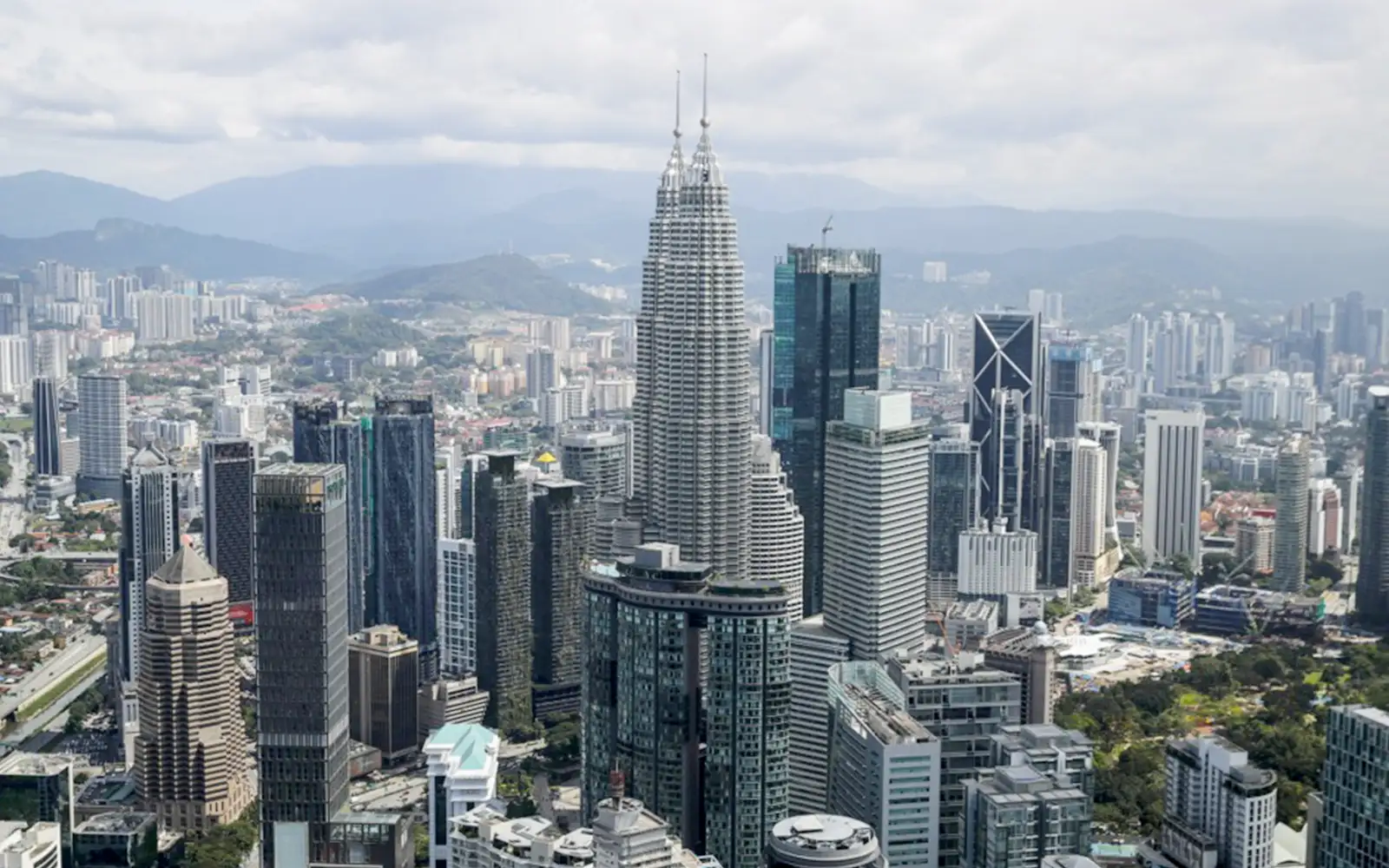
In a rapidly competitive global economy, attracting foreign investment is no small matter. International investors do not base their decisions solely on political rhetoric. They assess government stability, clarity of fundamentals, efficiency of management, quality of workforce, infrastructure, geopolitical position, industrial ecosystem, and long-term potential returns.
Consequently, the increase in foreign investment into Malaysia in recent times is a clear signal of worldwide confidence in the nation's future under Prime Minister Anwar Ibrahim's leadership. Malaysia is viewed not just as an attractive domestic market, but is also emerging as a strategic destination for high-quality investment in sectors such as technology, energy, manufacturing, semiconductors, data centers, and artificial intelligence.
Malaysia's achievement of RM426.7 billion in approved investment in 2025, the highest ever recorded, is a significant proof of the growing investor confidence in the country. This figure increased by 11% compared to RM384.4 billion in 2024, involving 8,390 projects and potentially creating 244,902 new job opportunities. More importantly, the incoming investment into Malaysia is not just traditional or labor-cost-based.
The momentum of new investment is increasingly focused on high-value sectors such as advanced manufacturing, digital technology, data centers, AI infrastructure, clean energy, electricity and electronics, and semiconductors. This change is crucial as Malaysia's future economy cannot continue to rely on the old low-cost model. It needs to move from a low-cost economy to a skill-based, innovation-driven, and high-value-added economy.
In the manufacturing sector, Malaysia continues to show strong appeal. In 2025, the manufacturing sector recorded RM131.3 billion in approved investment, with foreign investment contributing RM100.6 billion or 76.6%. This shows that foreign investors still see Malaysia as a competitive location for advanced manufacturing and high-tech activities.
In the electricity and electronics sector in particular, Malaysia has a long history as a key player in the global supply chain. The challenge today is to move the country from installation and testing activities to higher-value activities such as design, research, high-level assembly, and semiconductor technology. The influx of additional investment from Intel totaling RM860 million for assembly and testing operations demonstrates continued confidence in Malaysia's role in the global semiconductor supply chain.
Similarly, Microsoft's commitment of USD2.2 billion, including the development of Malaysia's first cloud region with three data centers, shows its increasing importance in the Asia Southeast cloud and AI ecosystem. The sector of data centers and artificial intelligence also becomes a symbol of new investor confidence in Malaysia.
Investment from global technology companies such as Microsoft, Amazon, Google, Oracle, and NVIDIA show that Malaysia is moving to a more strategic position in the regional digital economy. This is not just about building data centers, but also developing a cloud computing ecosystem, cybersecurity, digital engineering, AI, and the use of technology by both the public and private sectors.
At the same time, these opportunities bring great responsibility. Attracting technology investment requires careful design of energy, water, communication networks, and infrastructure. Therefore, the success of attracting technology investment must be accompanied by the design of sustainable energy, responsible use of resources, and development of local human capital.
In parallel, the energy sector also becomes an important area of new investment. Commitment by Shell to increase investment by about RM9 billion over the next two to three years sends a signal that Malaysia remains important in the regional energy transition strategy. Major investment in grid, clean energy, gas, hydrogen, solar, and energy transition infrastructure is crucial to supporting new sectors such as data centers, semiconductors, and high-tech manufacturing that require stable energy supply.
The key behind this confidence is political stability and clarity of fundamentals. Following several years of political uncertainty in Malaysia, the prime minister's administration has focused on rebuilding investor confidence. Fundamentals such as the New Industrial Masterplan 2030, the National Energy Transition Plan, the digital transformation agenda, and the Smart Economy framework show that Malaysia has a clear industrial future.
Malaysia's prime minister's economic diplomacy also plays a role. High-level visits, meetings with global company CEOs, dialogue with investors, and strategic relationships with major economic powers help open doors to new investment. In today's world, investment does not happen automatically. It needs to be convinced through fundamentals, diplomatic relations, leadership reputation, and the country's ability to implement commitments.
However, the increase in foreign investment cannot be seen as the ultimate goal. The real goal is to ensure that the investment brings benefits to the people. Quality investment must create quality jobs, increase wages, strengthen local skills, open opportunities for small and medium-sized enterprises, and build domestic supply chains.
This is where the Smart Economy agenda comes in. Investment must be linked to social equity and the well-being of the people. Investment in advanced technology and manufacturing sectors must be connected with TVET, universities, vocational training, skill certification, and development of local human capital. In conclusion, the increase in foreign investment and the record amount of approved investment show that the world is increasingly confident in Malaysia. However, true success must be measured by the quality of work created.
Written by urgent.news from Free Malaysia Today's reporting — not their text. Machine-written — may contain errors; check the original before relying on it.