Parashat Re'eh: The choice to choose
Even those who observe Jewish tradition have areas of choice that they have already conquered, while their struggles lie elsewhere, each person according to their own level and circumstances.
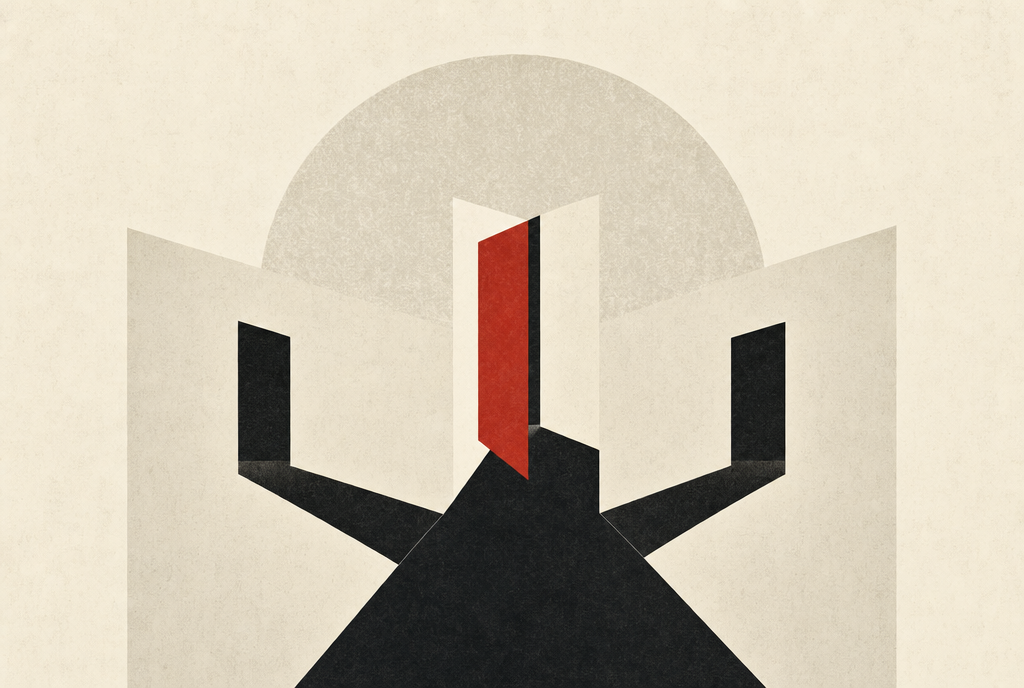
The Torah portion Re'eh is traditionally read at the start of Elul, a month marked by mercy and forgiveness. This period encourages individuals to reflect on their past actions and set goals for the future. The opening verses of the parasha present a stark choice: a blessing or a curse, contingent upon following God's commandments. This principle, known as the "point of choice," encapsulates the essence of making the right decision.
Life's challenges and temptations are distilled into this notion of choice, a concept explored in the writings of ancient sages. The Torah's call for repentance around Rosh Hashanah similarly underscores the importance of deciding between life and death, blessing and curse. At the heart of this choice lies the question of truth: what does it mean to live a proper life, and how does one make the right decision?
Humanity has long grappled with these existential questions. Temptations and worldly desires often complicate the process, sometimes distorting clarity and leading individuals into self-destructive paths. Each person possesses areas where they have already triumphed, areas where temptation is unlikely. However, these triumphs are not universal, and the struggles for every individual vary based on their unique level and circumstances.
Identifying one's "point of choice" – the area where personal struggle is most acute – is a crucial step in making the right choice. Courage is required to examine actions through the lens of truth, discerning whether they align with life or death. Historical sages have offered insights into why people often make misguided choices. They argue that the belief in predetermined fate removes personal responsibility and diminishes the significance of one's actions.
Maimonides articulated this fallacy, questioning how God could command the Torah if a person's actions were predestined. He emphasized that God has granted humanity the ability to choose, contrary to the notion that outcomes are fixed. This inherent freedom, he argued, aligns with God's desire for humans to exercise their free will.
Throughout history, humans have been endowed with the power to shape their destinies through their choices. The actions we take significantly influence our lives and the world around us. As the year concludes, it is essential to recognize that the trajectory of the coming year will largely depend on the choices we make.
God has provided a framework for living through commandments and a path for spiritual growth, but the ultimate decisions – from Shabbat observance to prayer, from child-rearing to moral values – are ours to make. While the temptation to blame external forces for our choices may arise, those who truly desire a life of meaning must seize the power of choice and chart a course toward a life imbued with genuine, eternal significance.
Written by urgent.news from Jerusalem Post's reporting — not their text. Machine-written — may contain errors; check the original before relying on it.