Op-ed: The battle for critical minerals is won at the port, not the mine
The logistics behind critical minerals is the determining factor on who gets to win in this market.
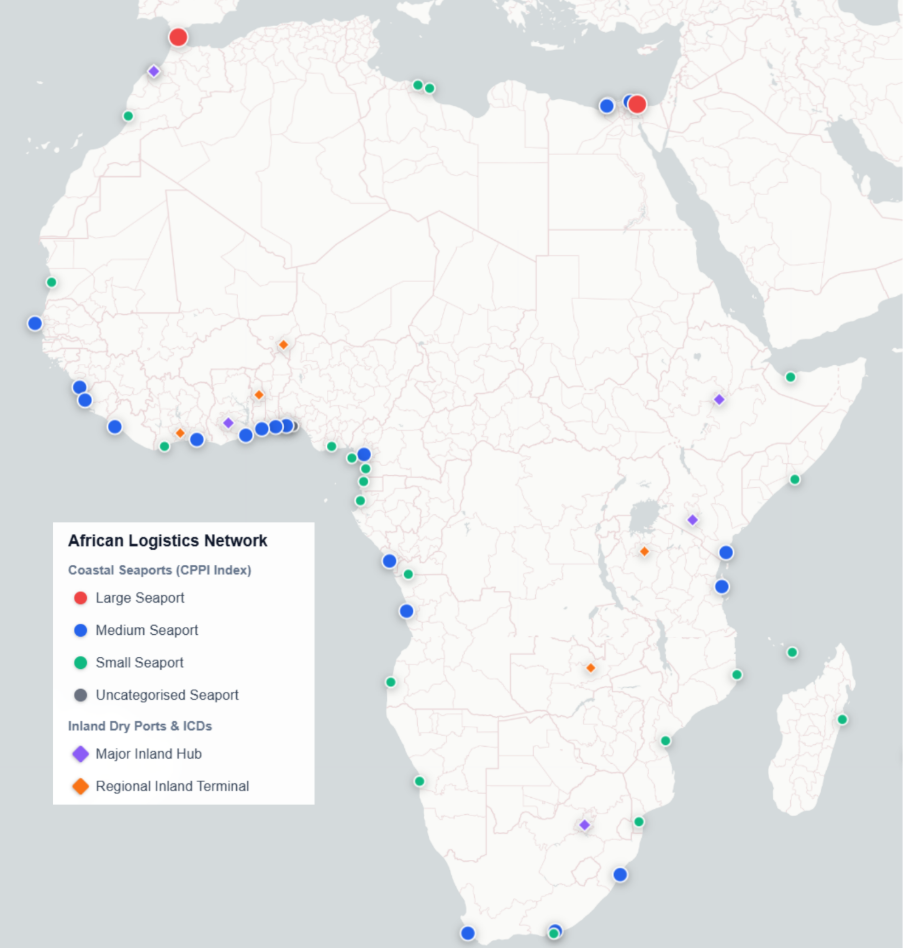
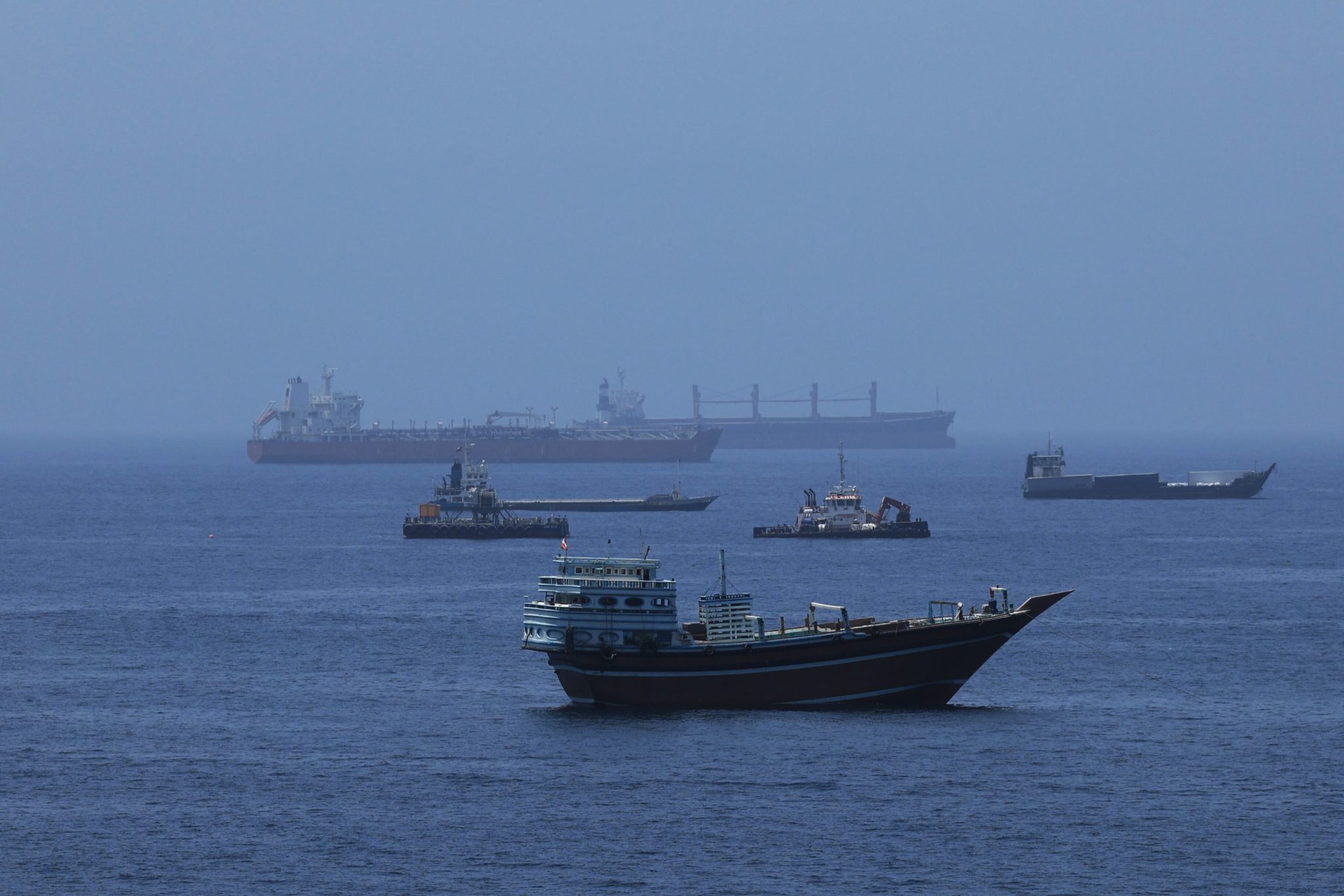
In the final months of 2023, a significant shift occurred in the shipping industry, with a cargo ship altering its route around the Cape of Good Hope instead of proceeding through the Bab el-Mandeb strait. This move exemplified the potential vulnerability of these narrow maritime passages, often dubbed chokepoints, which can easily be obstructed.
This situation underscored the strategic significance of these passages, as they can be deliberately closed at any time, posing a threat to global trade. China's involvement in the "Belt and Road" initiative has been a strategic move, acknowledging that while mining might yield rich resources, the ability to transport these minerals to market is crucial.
Control over these corridors gives a nation far greater leverage than mere ownership of the resources. The Central African Copperbelt serves as a prime example, housing about 15% of global copper reserves and the majority of known cobalt resources. However, the 15-minute journey from this region to the nearest deep-water port is fraught with borders, rail networks, highways, customs checkpoints, and ports, making the journey arduous and costly.
The Simandou iron ore project in Guinea is another case in point. After decades of stagnation, a massive investment from Chinese firms was made to create an integrated logistics network, including a railway and a deep-water port, bypassing the congested capital city of Conakry. This infrastructure was built to feed China's industrial machine, demonstrating a situation where control over logistics can lead to de facto ownership of the minerals, regardless of land ownership.
This distinction between ownership and control is becoming increasingly critical. While many governments believe that owning mineral-rich territories equates to control, the reality often differs. In Africa's mining jurisdictions, the reality is that sovereignty over the resource does not necessarily translate into sovereignty over the supply chain.
Foreign-owned export terminals and overseas refining capacities often dictate the supply chain, leaving little room for local policy interventions. This has been evident in cases where governments have attempted to retain value from mineral resources by restricting exports of raw materials. For instance, Zimbabwe banned exports of raw lithium, Mozambique put restrictions on graphite exports, and the Democratic Republic of Congo has banned copper and cobalt concentrate exports.
However, these policies often fail if the entire logistical infrastructure is owned and operated by foreign entities, rendering export bans ineffective. Several lenses can help understand how Western strategists have misinterpreted this geopolitical landscape. First, structural closure refers to long-term investments by foreign entities that create permanent control over the market, making it difficult for competing buyers to influence.
Second, fractured networks highlight how modern transport networks tend to strengthen regional trade, but Africa's maritime and rail trade are one-sided, favoring the movement of raw minerals from the continent to foreign markets. This imbalance discourages the development of local trade in finished goods. Lastly, the web of path dependency shows how established pathways, once created, tighten as infrastructure struggles to adapt.
In conclusion, the battle for critical minerals is won at the port, not the mine. Control over logistics and trade corridors is the key to leveraging mineral resources, making it a crucial aspect of global power dynamics.
Written by urgent.news from Mining.com's reporting — not their text. Machine-written — may contain errors; check the original before relying on it.