One of science fiction’s greatest writers warned us about a AI. Does he also hold the remedy? | Alan Finkel
What might a modern day equivalent of Isaac Asimov’s laws of robotics look like? Guided by the author, I propose the three laws of AI Tesla and SpaceX founder Elon Musk predicted in July that legions of AI-powered robots would dominate the physical world and that AI might not take orders from people any more. He also offered an alternative vision in which there would be agreement for a collective…
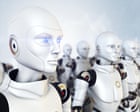
Renowned science fiction writer Isaac Asimov's predictions about artificial intelligence seem to have come to fruition. The author suggests that Elon Musk, founder of Tesla and SpaceX, has offered a possible solution to the growing concern of AI dominance. Musk's vision includes the implementation of the three laws of AI, which are predicted to ensure AI remains obedient to human orders.
Musk proposes a collective objective to imbue AI with a love for truth and a desire for humanity to prosper. This idea could revolutionize the way AI is developed and regulated, offering a potential remedy to the fears surrounding AI domination.
As governments worldwide are beginning to address AI, the US and the European Union have taken significant steps in regulating AI. The US under President Trump's administration has been cautious about the distribution of advanced AI models, while the EU has enacted AI regulations since 2024.
However, the current measures seem insufficient when compared to Musk's proposed guardrails. These guardrails would be designed to ensure that AIs are motivated to promote humanity's prosperity, an aspect that is currently lacking in existing AI regulations.
Written by urgent.news from Guardian Technology's reporting — not their text. Machine-written — may contain errors; check the original before relying on it.