Next great harbour? China’s Greater Bay Area has tools to be a yacht hub: industry veteran
From wealth and waterways to manufacturing, the Greater Bay Area possesses the essential ingredients to become an international yacht hub, with the integrated economic and business zone having more to offer than many other regions, according to an industry veteran. Luxury vessels could help unlock demand for the economy, and with its manifold strengths, Hong Kong could make a splash and turn the…
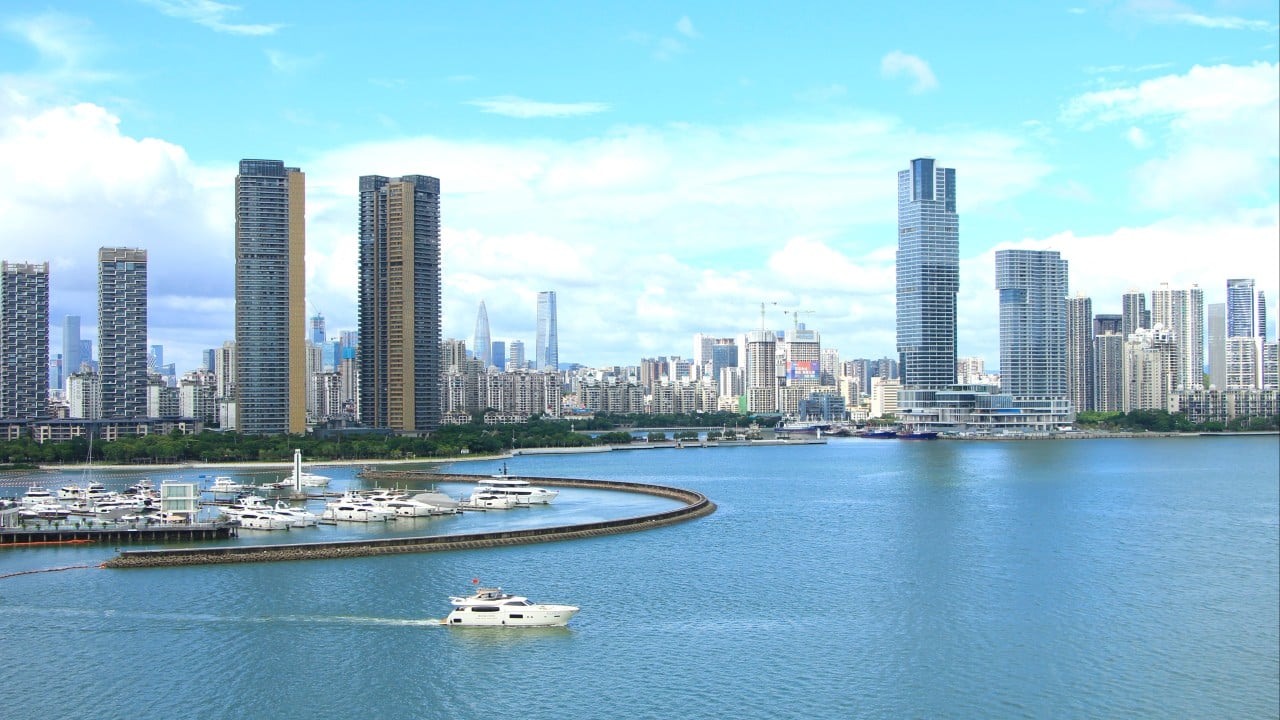
The Greater Bay Area (GBA), an integrated economic and business zone spanning Hong Kong, Macau, and nine mainland Chinese cities, possesses the potential to emerge as an international yacht hub, according to Paul Brackley, CEO of yachting consultancy Central Yacht. Brackley, a founding member of UK's Professional Yachtsmen’s Association, asserts that the GBA's unique blend of strengths, including its size, market, diverse industries, and high-net-worth population, make it a promising candidate to become the most dynamic emerging yacht market in Asia.
The GBA's size, comparable to Tokyo's metropolitan area, offers a substantial consumer base, while its established reputation as a luxury destination and burgeoning middle class fuels demand for high-end vessels. Moreover, the region's existing strengths in design, manufacturing, and luxury interior production provide a solid foundation for developing a comprehensive yacht industrial chain, from construction to maintenance.
Brackley emphasizes that the GBA's shipyards can deliver technical capabilities at a level that surpasses traditional European builders, particularly in areas such as structural engineering, systems integration, and power management. However, the international yacht community's lack of awareness of these capabilities presents a significant barrier to realizing the GBA's yacht hub potential.
The primary challenge lies in convincing the global community of China's expertise and reliability in yacht construction. Despite China's economic strains and structural disparities, Brackley remains optimistic about the enduring interest of the country's ultra-high-net-worth individuals in yachts as a means to stimulate high-value consumption.
The sector's ability to create jobs across various industries, from shipbuilding to tourism, further underscores its economic significance. Hong Kong, with its maritime expertise, rule of law, and status as an international financial center, is well-positioned to lead the GBA's yacht industry. The city's strategic advantages include its robust brokerage, project management, finance, legal services, insurance, crew management, and technical consultancy sectors.
While Hong Kong faces infrastructure limitations, particularly for larger yachts, the city can scale its operations effectively by leveraging its existing strengths and connecting with the broader GBA region. The Hong Kong government is actively working to address these challenges by introducing measures to recognize mainland China qualifications for yacht inspection and management, facilitating easier berthing for Hong Kong-registered yachts at designated GBA ports.
Additionally, there is a push for a Hong Kong Commercial Large Yacht Code to generate recurring maritime service revenue from professionally operated yachts across the region. However, Brackley advocates for a shift in public perception, emphasizing that yachting is a serious economic sector rather than merely a leisure activity.
He highlights that yachts effectively stimulate high-value consumption throughout their operational life, unlike many luxury purchases. In conclusion, the Greater Bay Area, bolstered by Hong Kong's expertise and strategic advantages, has the potential to transform into a premier yacht hub, catalyzing economic growth and redefining the modern luxury yacht experience.
Written by urgent.news from South China Morning Post's reporting — not their text. Machine-written — may contain errors; check the original before relying on it.