New study identifies mycobiome-based strategy to combat cassava stem and root rot disease
The CSRR disease had emerged as a major concern in 2020 after the destructive Kerala floods of 2018
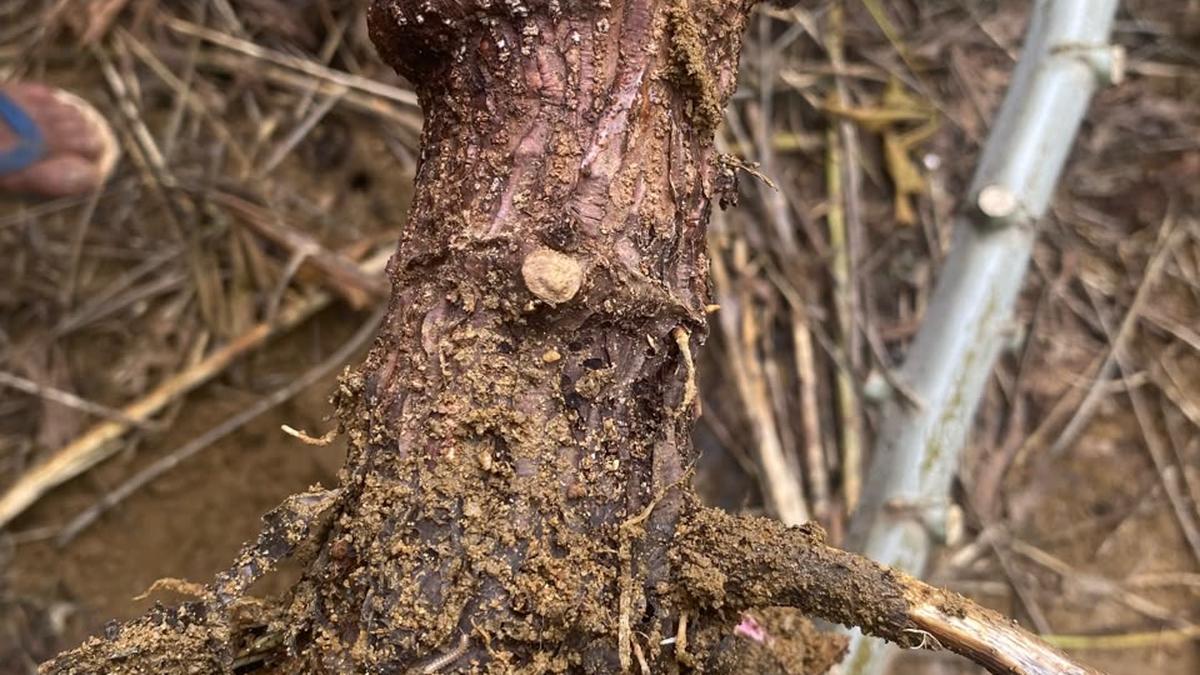
A recent study by researchers at the ICAR-Central Tuber Crops Research Institute (CTCRI) and the ICAR-Indian Agricultural Research Institute (IARI) may have discovered a promising mycobiome-based strategy to combat cassava stem and root rot (CSRR) disease. The disease, caused by the pathogen Fusarium falciforme, has resulted in significant crop loss, particularly in wetland regions of Kerala.
The researchers suggest that conservation and restoration of the core mycobiome through improved soil health management and the application of beneficial microbes can serve as an integrated disease management strategy, reducing dependence on chemical fungicides and enhancing sustainability and climate resilience in cassava production.
The study, published in Frontiers in Plant Science, reveals that CSRR has intensified in Kerala’s wetland ecosystems, particularly under poorly drained conditions. However, further field evaluation and optimisation of application strategies are required before the methodology can be recommended for widespread use by farmers.
Written by urgent.news from The Hindu's reporting — not their text. Machine-written — may contain errors; check the original before relying on it.