Nagasaki 81 years on: Learn what hibakusha know
The danger is that, as the generation that lived through the tragedies of World War II passes, it takes with it the firsthand experience of that war.
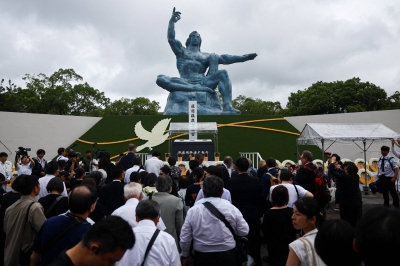
On August 9, 1945, the United States dropped an atomic bomb codenamed "Fat Man" on Nagasaki, Japan. The explosion, occurring at 11:02 a.m., devastated an area of approximately one square mile and resulted in an estimated 40,000 to 75,000 immediate fatalities. Today, more than 15,000 individuals remain as survivors of this catastrophic event.
The Nagasaki Atomic Bomb Museum serves as a poignant testament to the lives disrupted by the bomb. The museum features a collection of everyday items that were left behind by those who perished. Among these artifacts are a melted fountain pen and a metal lunch box, both still bearing the names of their original owners. Additionally, the museum exhibits a haunting shadow on a wall, a testament to the victims vaporized in an instant by the bomb's intense heat and radiation.
The museum's displays include a diverse array of items, photographs, and firsthand accounts from various groups affected by the bombing. These accounts encompass ordinary citizens, Korean forced laborers, and prisoners of war who found themselves in Nagasaki at the time of the attack. One such account comes from an Australian prisoner of war who survived the bombing and recounts his ordeal, expressing gratitude for the bomb's role in his survival while also remembering the three fellow prisoners who died shortly after the Hiroshima bombing.
Written by urgent.news from Japan Times's reporting — not their text. Machine-written — may contain errors; check the original before relying on it.