Myanmar touts economic potential but is it pie in the sky with it still at war?
Rina left Myanmar shortly after the 2021 coup as military violence escalated against pro-democracy protesters like herself and the economy of her country, once a Southeast Asian frontier that had flickered with promise, ground to a virtual halt. Now in Bangkok, the 21-year-old has found work in a cafe, a regular, albeit low-salaried income, the minimum required by the millions of her age group…
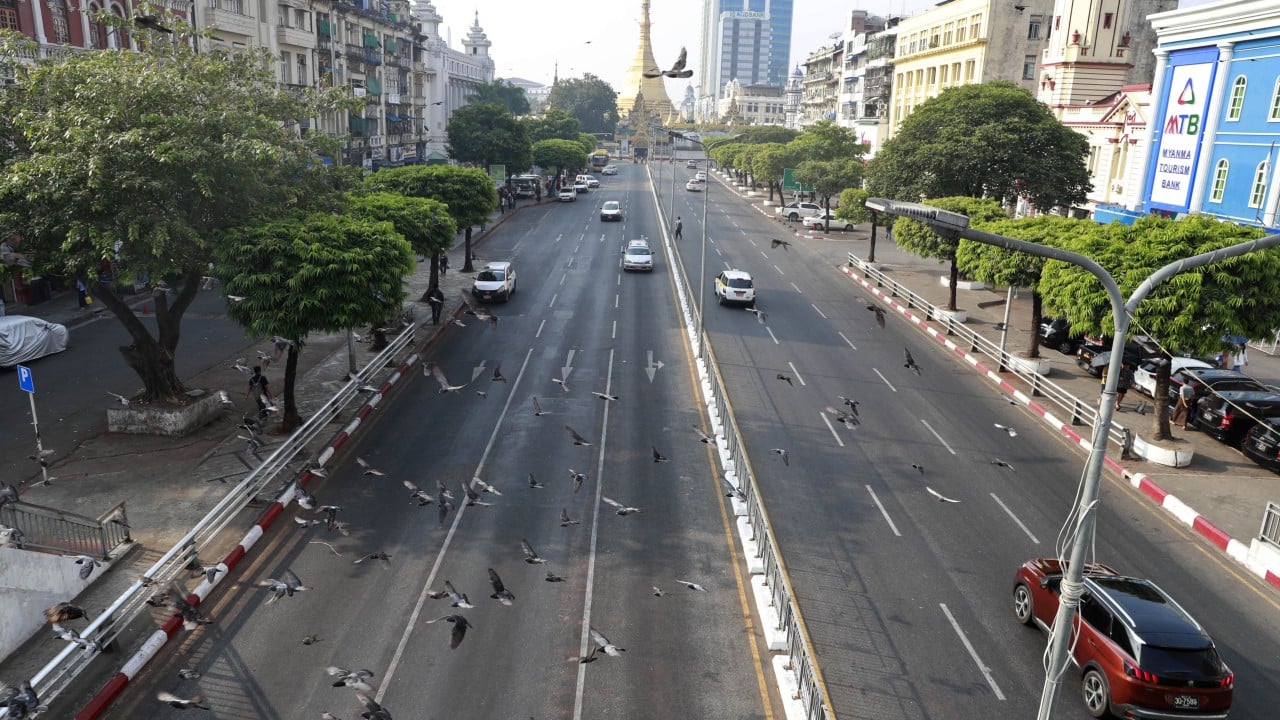
Myanmar's economy, once a Southeast Asian frontier with promise, has been devastated by the 2021 coup, leaving millions without work and in dire straits. The country, once a hotspot for economic growth, is now embroiled in civil war, which has claimed an estimated 100,000 lives in five years. The military junta, led by Min Aung Hlaing, is in power and seeking international support to rebuild the nation.
However, his vision of transforming Myanmar into a regional infrastructure and investment hub remains a distant dream, as the country faces serious economic and political obstacles.
Min Aung Hlaing's plans for economic revival center around infrastructure construction, gas development, and energy projects. These initiatives aim to remodel the war-shattered but strategically important country as a manufacturing hub in the heart of Asia's supply chains. However, the realizations that the country is still at war and still under military control have cast a shadow on his economic plans.
The United Nations estimates that 16 million people, nearly a third of the population, need humanitarian relief. Foreign investment has collapsed due to the ongoing war, and any financing tied to Myanmar comes under heavy scrutiny due to the country's sanctions and banking restrictions.
Thailand, on the other hand, has embarked on a "calibrated re-engagement" with Myanmar, recognizing the long shared border and mutual interests. The Thai Foreign Minister, Sihasak Phuangketkeow, has emphasized the need for cooperation on border security, transnational crimes, scams, and drugs. While Thailand seeks to keep Myanmar accountable to the outcomes of a five-point consensus, there are significant economic reasons to extend a hand to Myanmar's government.
The Thai Foreign Minister believes that if Myanmar returns to peace and stability, it will bring about a wealth of economic opportunities, including trade and investment.
Despite these diplomatic efforts, the economic picture in Myanmar is uneven at best. The country's economy has shown signs of life this year following years of high inflation and negative growth caused by the devastating earthquake. However, experts agree that Myanmar is far from recovering its previous footing, as the growth achieved in 2011, which was fueled by political and economic reforms, was abruptly ended by the coup.
The projects proposed by Min Aung Hlaing for economic revival, such as highways, railways, dams, and power projects, face serious obstacles. Building infrastructure corridors through active war zones is a daunting task, and layer sanctions and banking restrictions make financing difficult.
As a result, economic drivers such as jade, gems, tin, copper, and rare earths, which are mainly operated by military cronies and shadowy tycoons, are likely to remain the main focus of economic activity. This narrow focus on resource extraction, rather than building a wider economic base, hampers Myanmar's long-term growth prospects. The economic vision put forth by Min Aung Hlaing remains a pie in the sky, as the country continues to grapple with the consequences of war and instability.
Written by urgent.news from South China Morning Post's reporting — not their text. Machine-written — may contain errors; check the original before relying on it.