Morbidity gap widening across most countries since 1990, study finds
Estimates also suggest that globally, people spent an average of 14.5 %of their lives in poor health in 2023, up from 13.6% in 1990.
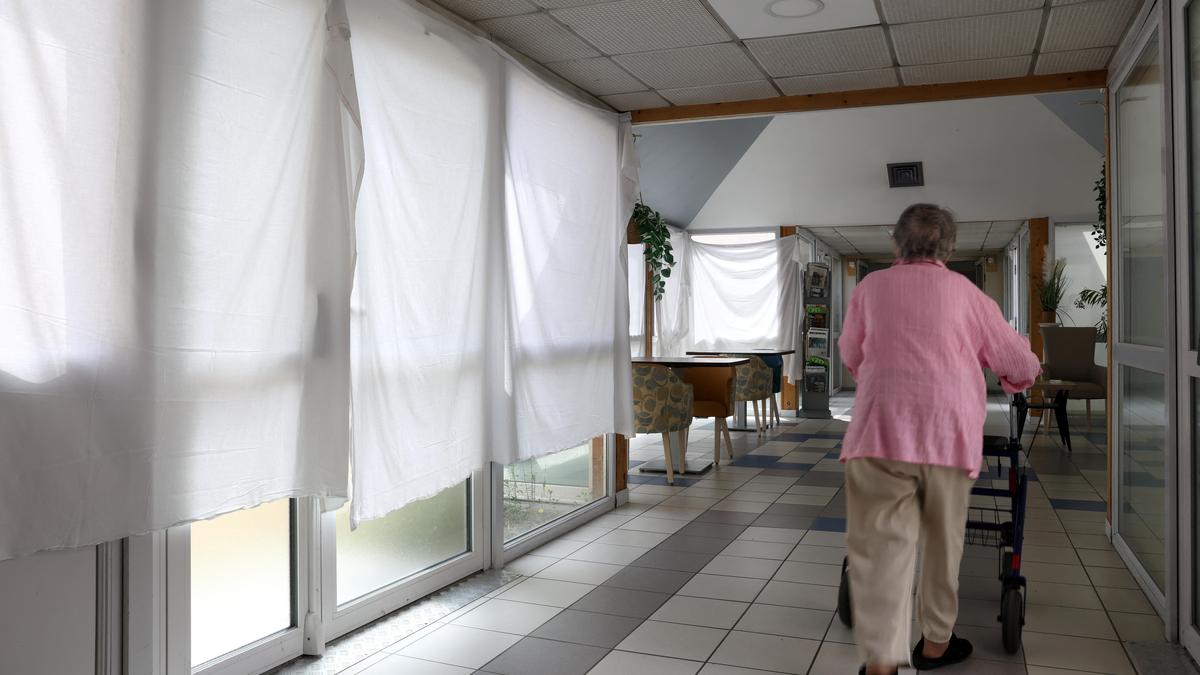
The study published in The Lancet Public Health journal has revealed that the gap between healthy life expectancy and total life expectancy has widened across most countries since 1990. This indicates that people worldwide are living longer, but are also spending more years in poor health. The average percentage of life spent in poor health globally increased from 13.6% in 1990 to 14.5% in 2023.
The widening morbidity gap, which is the difference between total life expectancy and healthy life expectancy, was observed throughout the adult lifespan, suggesting that people are living with disease and disability for more years in adulthood. In India, the morbidity gap increased from 8.4 years in 1990 to 10.6 years in 2023. The analysis suggests that future improvements in population health will depend not only on extending life but also on enhancing health.
The study emphasizes the need for greater investment in prevention, long-term disease management, and chronic care to reduce years spent in poor health. Women, on average, lived longer than men but also had a larger morbidity gap, indicating that they spent more years living in poor health across all regions and levels of development.
Written by urgent.news from The Hindu Health's reporting — not their text. Machine-written — may contain errors; check the original before relying on it.