Mint Sustainability Summit: Net zero’s next phase demands deeper changes across supply chains
At the Mint Sustainability Summit 2026, industry leaders said net zero's next phase will depend on embedding sustainability across supply chains, products and partnerships—not just compliance.
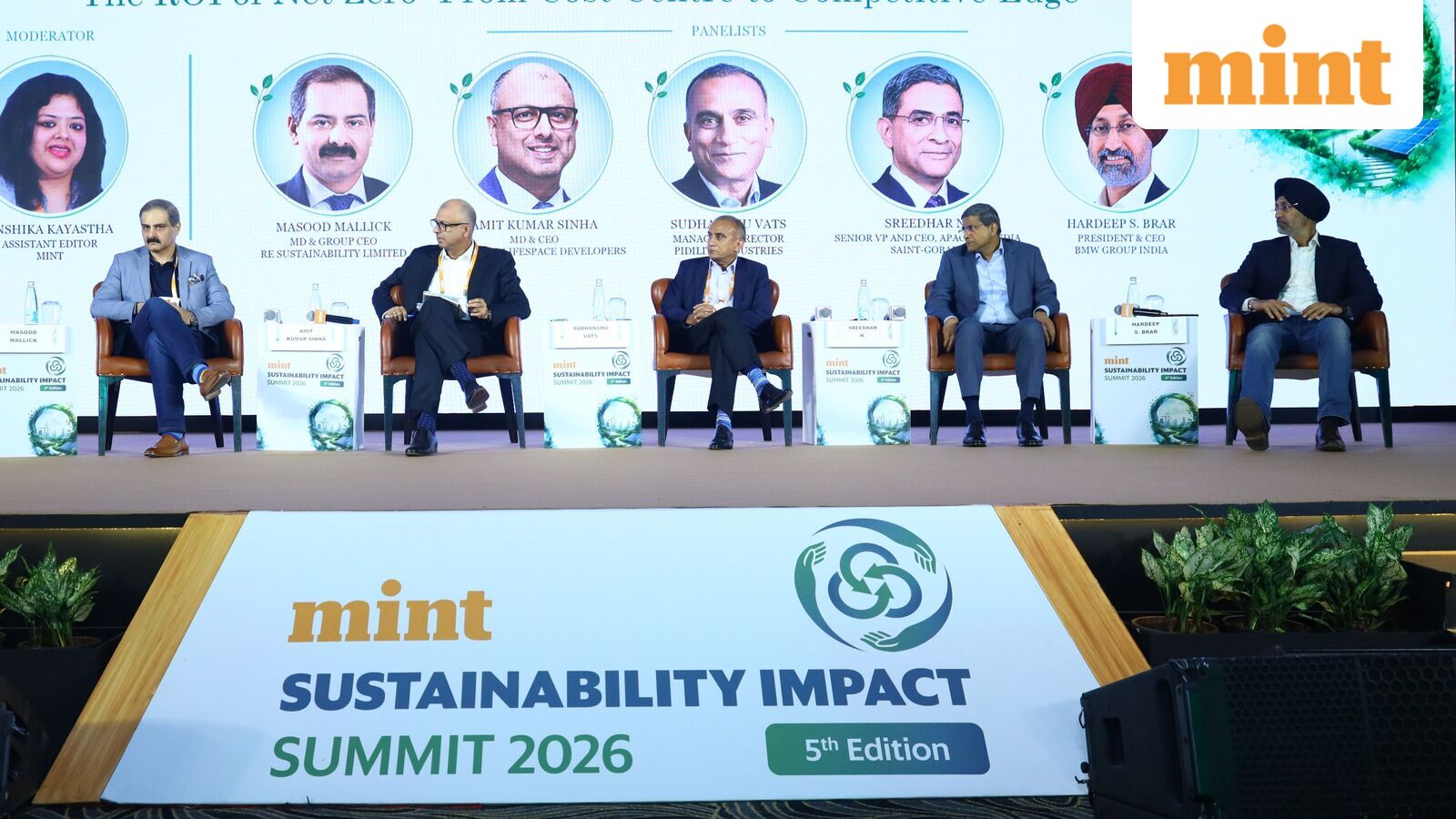
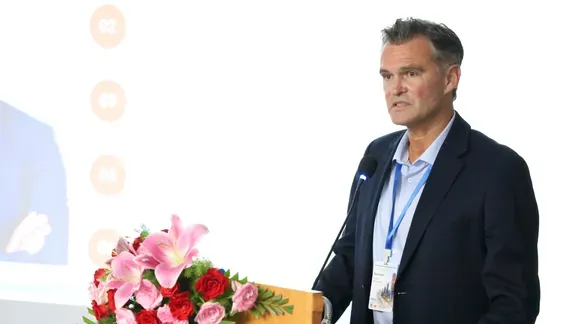
At the Mint Sustainability Summit 2026, industry experts emphasized that the era of easy decarbonization is behind us and that companies must now embed sustainability more deeply into every aspect of their operations to secure lasting competitive advantage. The discussion, titled "The ROI of Net Zero: From Cost Centre to Competitive Edge," focused on how sustainability has shifted from a compliance issue to a strategic priority for businesses.
Panellists argued that the next phase of value creation will stem from circularity, partnerships, customer trust, and long-term resilience. Citing figures, Masood Mallick, managing director and CEO at Re Sustainability Ltd., noted that while 7% of global material usage is currently circular, this number only reached 9% in 2028, showing a decline from 2018 levels. This underscores the urgent need for more circular business practices.
Sustainability is no longer just about environmental impact but also about business continuity. As Mallick explained, companies must control their supply chains to ensure long-term viability. While sustainability can lower the cost of capital, the gains are currently modest, with most companies seeing only a few basis points in cost savings. However, the real value lies in enhancing lifetime economics with customers and building trust as a responsible business.
The discussion highlighted that India still lags behind Europe in sustainability adoption, partly because it is not yet costly there. Sreedhar N., senior VP and CEO of Saint-Gobain, suggested that European practices, such as building insulation, could significantly reduce electricity bills in India by up to 40%, compared to about 70% in Europe. This represents a shift that needs to happen more rapidly.
For BMW Group India, embedding sustainability has required rethinking both products and business models. President and CEO Hardeep S. Brar emphasized that electric vehicles must outperform traditional models on key performance metrics. Additionally, the rise of EVs is prompting companies to reassess their after-sales service networks, as maintenance requirements become less frequent.
Overall, the speakers agreed that the next big step in sustainability is moving beyond existing decarbonization targets and adopting a more partnership-oriented approach. This shift could redefine how companies approach sustainability, offering a pathway to greater economic and environmental benefits.
Written by urgent.news from Live Mint's reporting — not their text. Machine-written — may contain errors; check the original before relying on it.