Western industry's recovery still doesn't seem durable
Los datos industriales mejoran a ambos lados del Atlántico, pero será necesaria una mayor participación de Gobiernos y consumidores
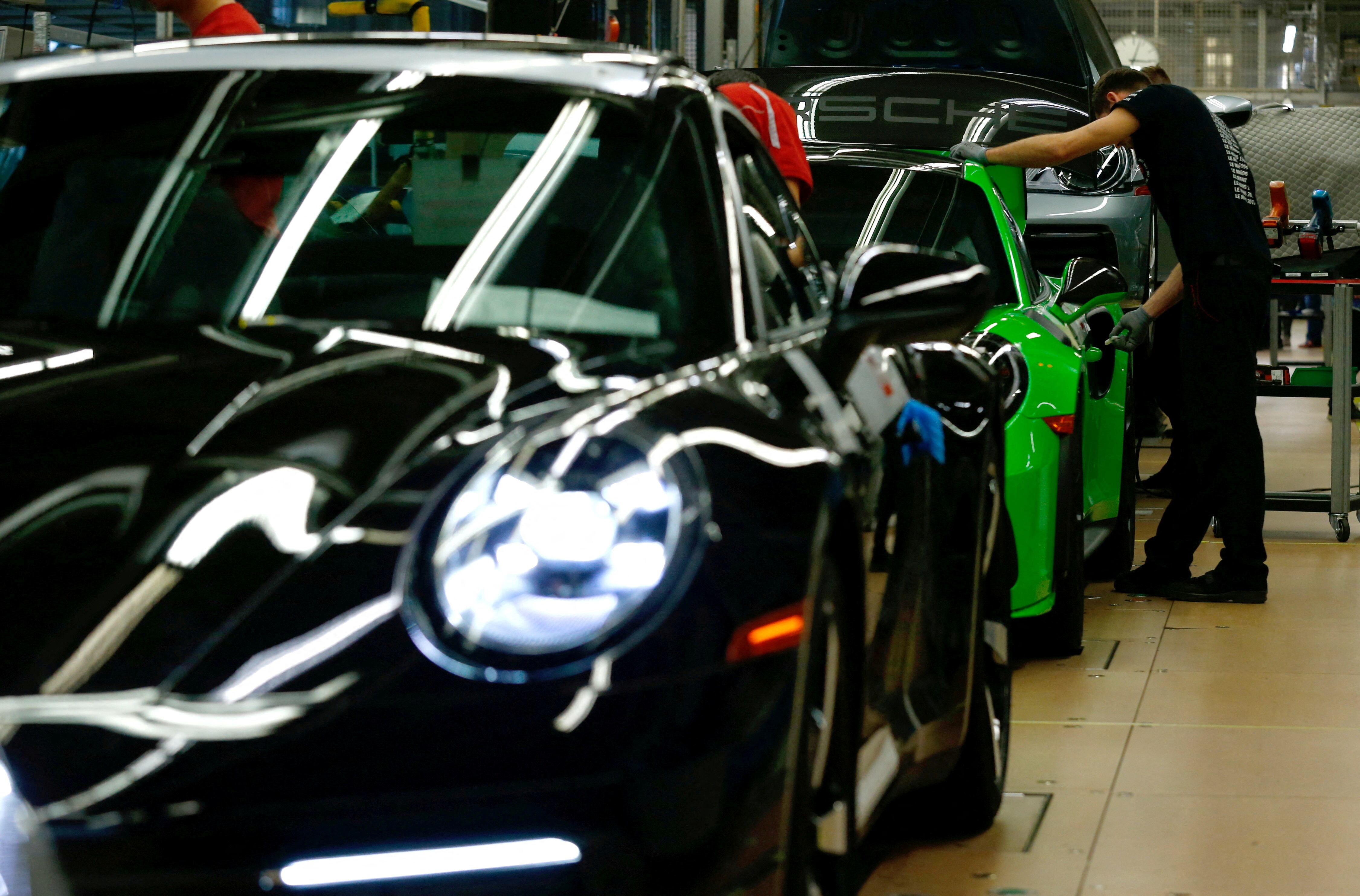
The industrial recovery of the Western world appears stagnant, despite recent positive signs. The Financial Times reported Ineos, the British chemical conglomerate controlled by Jim Ratcliffe, investing 400 million euros into European listed chemical companies, despite a 20% drop in production since 2022. German industrial orders for June rose 6.5% compared to a year ago, with 3.8% growth even in the automotive sector, indicating a general uptick in the global industrial cycle.
However, Western governments and consumers need to play a larger role in preserving manufacturing strengths. Industrial production data have been hard to interpret due to blockages in the Strait of Hormuz, leading to companies accumulating and releasing orders at the pace of rising tensions. Yet, the global manufacturing PMI index from JPMorgan has remained expansionary since August last year, with recent data showing a surge in new orders, production, and inventories last month, and employment growing at its fastest rate in over two years.
While the trend is heavily dependent on military rearmament, driving aerospace and defense businesses, and the AI giants' fervor for data centers, chip fabs, and related infrastructure, even Europe, with less technological exposure, expects semiconductor and electronics company earnings per share to rise 60% this year, according to LSEG Datastream.
Notable companies like Schneider Electric have already reported record-adjusted EBITDA in the first half of the year. The machinery sector, hit by a prolonged slump in Chinese sales, recently had the highest net number of companies raising their 12-month profit forecasts since 2007. For example, Swedish Atlas Copco reported a 59% organic growth in orders for its vacuum technology division, crucial for chip manufacturers.
Even in the U.S., the entire production surge since 2022 is attributed to advanced manufacturing, while the rest remains in a deep recession, according to Oxford Economics. Sustainable consumer spending may be unsustainable for hyper-scalers, potentially ending this industrial growth spurt abruptly. Meanwhile, small European chemistry and automotive rebounds following massive layoffs and plant closures are unsurprising.
The staggering profits of Ineos and its peers BASF and Dow in Q2 were bolstered by the Iran war, temporarily disrupting Asian competitors' supply chains. However, earnings expectations are improving across almost all industrial subsectors worldwide. The true vulnerability lies in the sluggish export growth and the absence of consumption to fill the void, which may be starting to falter in the U.S. For a more sustainable recovery, governments must combine trade defenses against Beijing with measures to stimulate domestic demand.
While the EU has reviewed public procurement criteria for strategic industries, tech, military, and energy sovereignty projects could bolster national suppliers. However, many governments do not align subsidies for electric vehicles and home retrofits with industrial policy objectives. The offer alone can only go so far.
Written by urgent.news from El Pais Economia's reporting — not their text. Machine-written — may contain errors; check the original before relying on it.