It’s Ok to Judge a Book By Its Cover (It’s Impossible Not To)
For a coterie of dandyish readers during the Victorian Mauve Nineties, The Yellow Book provided something novel—book cover designs. When the literary quarterly released its first volume in the spring of 1894 it was with a high-quality cloth-bound cover colored
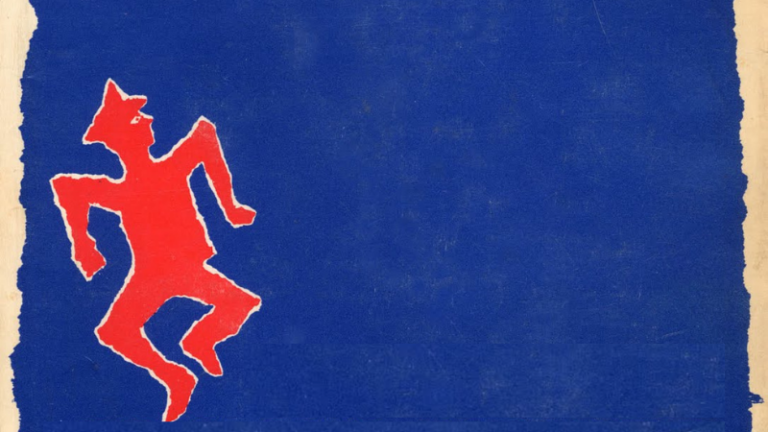
During the Victorian Mauve Nineties, The Yellow Book, a literary quarterly, introduced novel book cover designs. Its debut volume featured a midnight yellow cloth-bound cover showcasing a black caricature of a seventeenth-century beauty in a carnival mask, alongside an androgynous figure. Designer Aubrey Beardsley, inspired by Parisian poster illustrators, particularly Henri de Toulouse-Lautrec, believed that even if his designs appeared grotesque, they were still worthy of artistic merit.
Beardsley's vision aimed to elevate the once disregarded book cover to a realm of aesthetic importance.
In the Middle Ages, vellum was bound in intricately carved wooden boards, but by the era of print, books could be bound in leather or stiff cardboard, often with a frontispiece woodcut. The Yellow Book's covers, inspired by Beardsley, transformed the modest cover into a unique aesthetic experience, even surpassing the literary content in significance. Beardsley's first edition cost five shillings, and the month of its publication mistakenly read "Aprtl."
Digital books have not succeeded in capturing the essence of a traditional book, which often depends on the tactile experience of the physical object. The feel of smooth glossiness, matte covers, ragged edges, or the oily sheen of velvet lamination all contribute to the unique experience of reading. Ignoring the cover when reading a book implies that the words on the page hold all the meaning, which is not the case.
Illustrations for my current reads include graphic designer Ben Denzer's warm reds, pinks, and purples for Jerry Saltz's Art is Life, Patrice Sheridan's minimalist clock design for John Ganz's When the Clock Broke, and Amanda Dewey's mysterious, collaged cover for Emily Eakin's The Frenchman for the Yellow Book archetype. These covers, created by contemporary artists, continue Beardsley's legacy by blending beauty and commercialism, democratizing access to aesthetics.
Written by urgent.news from Literary Hub's reporting — not their text. Machine-written — may contain errors; check the original before relying on it.