Ismail Sabri gets pacemaker to treat an abnormal heart rhythm
The former prime minister has been advised to rest following the operation, which was carried out at the National Heart Institute this afternoon.
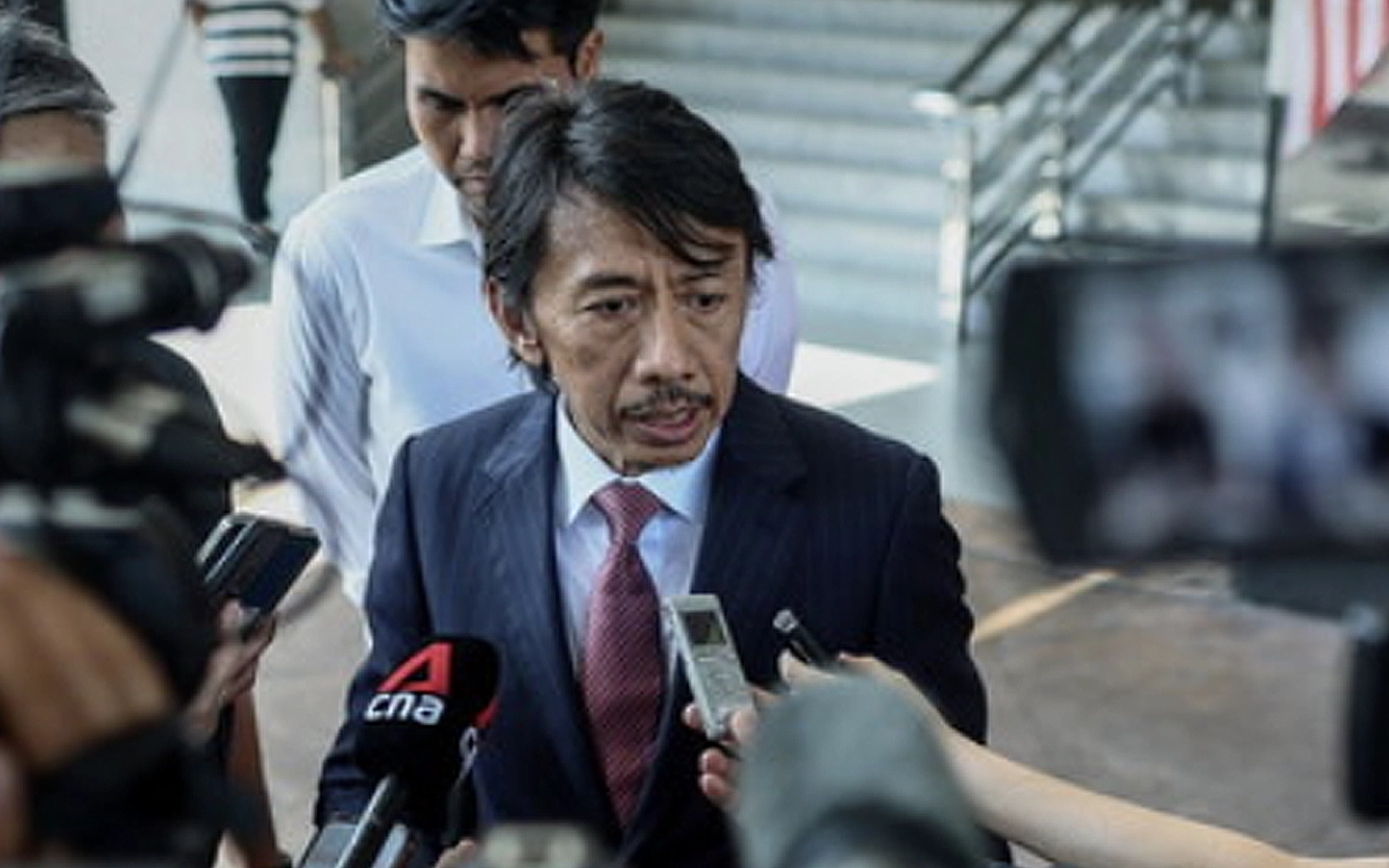
Former Malaysian Prime Minister Ismail Sabri Yaakob has undergone a successful pacemaker implantation at the National Heart Institute (IJN) to address an abnormal heart rhythm, according to a statement from the institute. The 66-year-old former leader was admitted to the JIN yesterday following a dizzy spell during questioning by the Malaysian Anti-Corruption Commission (MACC) regarding the Keluarga Malaysia initiative's finances in 2021-2022.
Ismail's lawyer, Amer Hamzah Arshad, revealed that the former prime minister had been admitted to the JIN about two weeks ago after a fall, during which his heart reportedly stopped for two seconds. The former prime minister's visits to the hospital will be limited to close family members. The MACC investigation into the Keluarga Malaysia initiative funds discovered approximately RM170 million in cash and 16kg of gold bars during raids on various locations.
The probe was linked to the expenditure and procurement of funds for promotional and publicity activities under Ismail's leadership from August 2021 to November 2022. Court proceedings related to Ismail's case were postponed to August 27 due to health reasons.
Written by urgent.news from Free Malaysia Today's reporting — not their text. Machine-written — may contain errors; check the original before relying on it.
This story
This is one outlet's version. Read the fullest account.
- Mahkamah benar penangguhan sementara Ismail Sabri jalani pembedahan jantung freemalaysiatoday.com