Is AI better at recognizing faces than you?
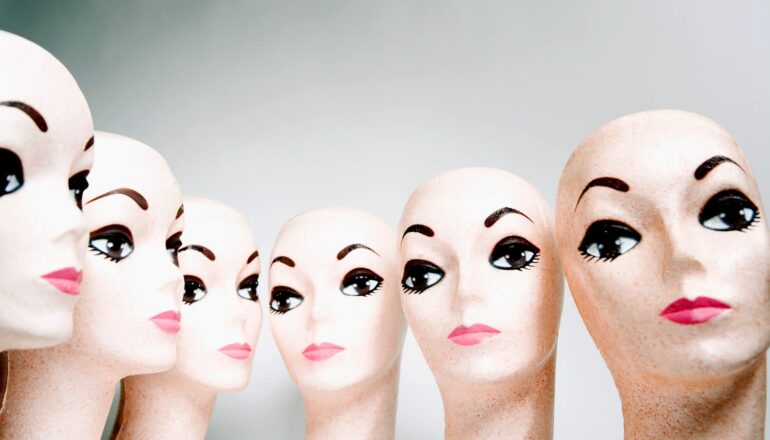
A recent University of Notre Dame study examines the comparison between artificial intelligence and humans when it comes to facial recognition. While both can identify faces with similar accuracy, the reasoning behind their judgments remains a mystery for algorithms. To address this, researchers from Notre Dame compared commercial and open-source AI against 4,000 human participants.
The study, published in the Journal of Applied Research in Memory and Cognition, found that the race of the participant, the race of the face being viewed, and the individual's inherent recognition skill all play a role in accuracy. Professor Ahmed Abbasi, the study's lead, stated that top-tier AI is now as precise as the most expert human judges.
Abbasi, director of Notre Dame's Lucy Family Institute for Data & Society and deputy director of the Data, AI, and Computing Initiative, also observed that humans with a natural affinity for facial recognition align with AI judgments more frequently—15% more often in certain models. Systemic flaws were also identified, such as AI models disagreeing with each other and reduced accuracy when analyzing races underrepresented in their training data.
The research highlights the limitations of human recognition as well, particularly in high-stakes scenarios like eyewitness testimonies. While AI bias is scrutinized, human fallibility often goes unnoticed. Abbasi emphasized that the legal risks of black box systems, such as those used in law enforcement, require transparency. States across the U.S. have banned automated facial recognition due to privacy and fairness concerns, but human error remains a significant, under-regulated issue.
As we progress towards an AI-integrated future, understanding and evaluating the reliability of both machines and humans is crucial.
Written by urgent.news from Futurity's reporting — not their text. Machine-written — may contain errors; check the original before relying on it.