Iran Goes Looking for Love in Jordan
Tehran wants the Arab public to balk at the cost of allying with the United States.
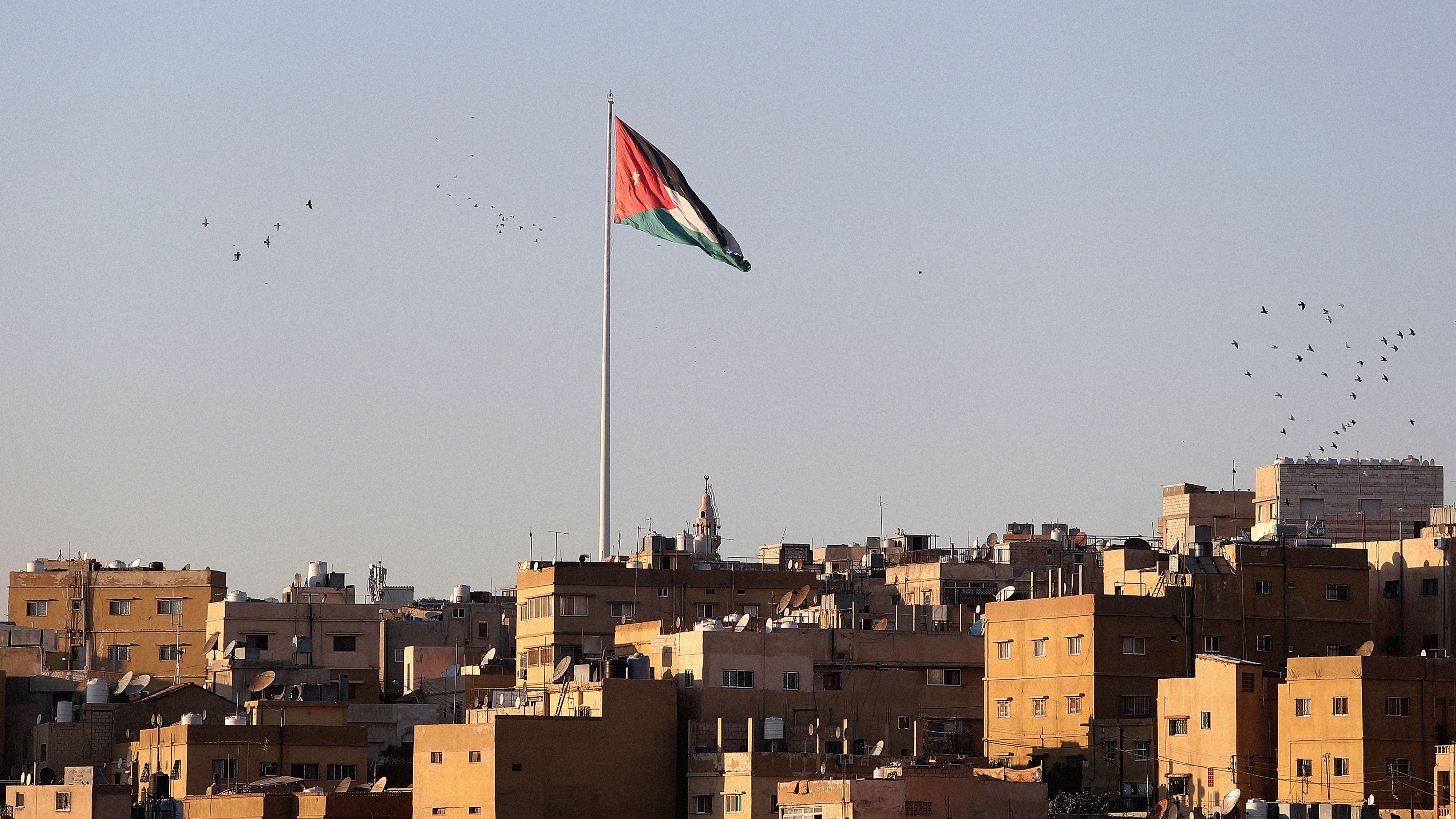
In late July, Iran launched a series of messages to the Jordanian people, expressing affection and solidarity, after a U.S. military base in Jordan was struck, killing three American service members. The Islamic Revolutionary Guard Corps (IRGC) published statements to Iran's Fars News Agency, declaring no hostility towards Jordan and praising the Jordanian people for their understanding of Palestinian suffering.
The IRGC also thanked unnamed Jordanians for providing targeting information for the strikes, and addressed critics, suggesting the United States violated Jordan's territorial integrity. These appeals to Jordanians reflect Iran's growing confidence in its regional position since the war with the U.S. and Israel, aiming to convince Arab publics that an alliance with the U.S. is not worth the cost.
Iran has attempted to foster such divisions since its founding in 1979, but this push is fueled by Tehran's perception of a "new equation of power" in the Middle East, including Iranian control over the Strait of Hormuz. Iran has struck seven Arab countries hosting U.S. bases with missiles, including Jordan. Tehran's military purpose is clear: Jordan houses radar and anti-missile systems that aid Israel in detecting and deterring Iranian attacks, and Jordan lacks the military capacity to retaliate.
Jordan also lacks the economic influence to form a nonaggression pact with Iran. Iran hopes to exploit a fissure between Jordan's population, many of whom are Palestinians, and their government, which depends on U.S. protection and patronage. Recent polls indicate that any sympathy Jordan gained from Iran's initial missile strikes has evaporated as Tehran continued targeting Arab nations.
Jordanian officials and government-aligned journalists have taken a firm stance against Iranian aggression.
Written by urgent.news from The Atlantic's reporting — not their text. Machine-written — may contain errors; check the original before relying on it.