India's handloom doesn't need sympathy. It needs better positioning
Young weavers are not walking away from the craft. They are walking away from an income that cannot be relied on.
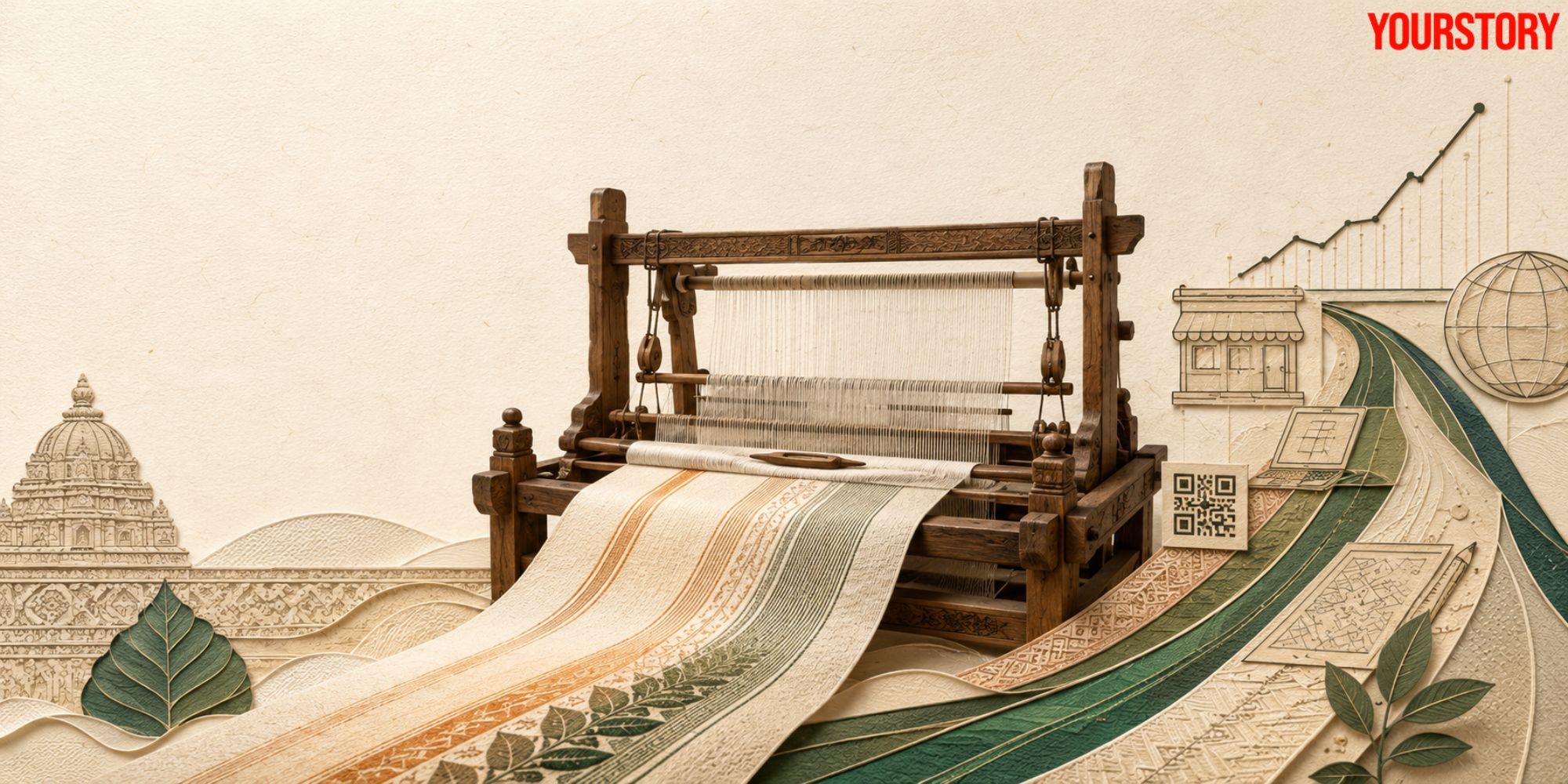
India's handloom industry faces a significant challenge that goes beyond the presence of powerlooms, according to recent observations. The core issue lies in positioning rather than competition. While handloom and powerloom serve different purposes, handloom should not focus on competing with powerloom on factors such as price or volume. Instead, the sector should emphasize its unique attributes, including authenticity, craftsmanship, cultural heritage, sustainability, and the human story behind the fabric.
Despite the abundance of these strengths, handloom often fails to effectively communicate them to consumers. To transform handloom products from mere textiles into items carrying emotional, cultural, and environmental value, the sector must focus on four key pillars: heritage, sustainability, design, and craftsmanship. When told effectively, this story can elevate handwoven products to new heights, appealing to consumers seeking more than just another textile.
However, handloom should not become exclusive to luxury buyers. Instead, the future lies in a collaborative effort among three segments: affordable everyday handloom, contemporary mid-premium handloom, and luxury and heritage handloom. This approach ensures wider consumer participation while still providing higher incomes for artisans producing premium collections.
Currently, India boasts one of the largest livelihood-providing sectors after agriculture, with approximately 31.45 lakh households engaged in handloom activities and 35.22 lakh weavers and allied workers. However, merely counting registered weavers is insufficient. To truly gauge the sector's health, it is crucial to measure the number of weavers actively engaged in full-time weaving, the influx of young weavers into the profession, the yearly earnings of weavers, the availability of design-led products, export growth, and the number of weaving enterprises led by women.
While government schemes can offer support, tackling the declining participation of young weavers requires a multi-faceted approach. Recognizing the true challenges facing India's handloom industry is essential for its sustainable growth and success.
Written by urgent.news from YourStory's reporting — not their text. Machine-written — may contain errors; check the original before relying on it.