How to safely observe eclipses and the solar surface with a smart telescope
Solar observation is easy with a smart telescope like the Unistellar eQuinox 2 and the matching filter, meaning you can capture it with no stress on big events like the Aug. 12 total solar eclipse.
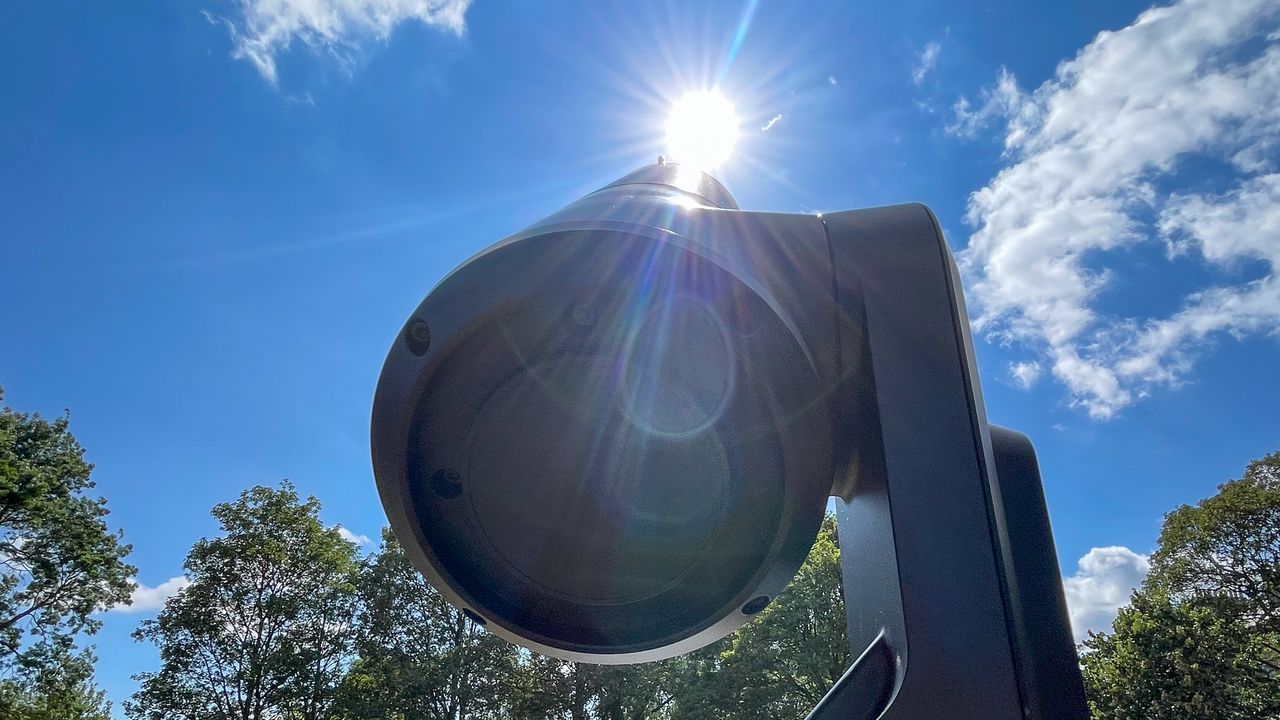
Observing the sun can be both tricky and underwhelming when using handheld methods such as solar eclipse glasses and solar binoculars. Smart telescopes, like those in the Unistellar range, can make the process easier by automatically finding and tracking the solar disk. These telescopes have features like image focusing, stacking, and processing, which deliver sharper images within seconds and reveal solar details like sunspots.
To observe the sun, you need a smart telescope, a smartphone or tablet, a solar filter, and a tripod. The Unistellar eVscope 2 can easily find and track the solar disk once selected. It's best to observe the sun in mid-to-late morning, as this is when the atmosphere is cooler, providing a clearer image. Make sure your tripod is level before turning on the smart telescope and removing the dust cap.
Once connected to an app, select the sun and wait for the location. Adjust the focus if needed and use enhanced vision for more detail.
Written by urgent.news from Space.com's reporting — not their text. Machine-written — may contain errors; check the original before relying on it.